When Feedback Shapes Your Training: How to Optimize Your Progress Through Dialogue

When Feedback Shapes Your Training: How to Optimize Your Progress Through Dialogue
Whether you’re training to get stronger, run faster, or simply feel more energized in your daily life, feedback plays a crucial role in your progress. The right dialogue—between you and your coach, or even between you and your own body—can make the difference between a plateau and a breakthrough. But how do you use feedback effectively, and how can you create a training culture where dialogue becomes a strength rather than a barrier?
Feedback as a Driver of Growth
Feedback isn’t just about being told what you’re doing right or wrong. It’s about understanding how to adjust your effort to move closer to your goals. Constructive feedback acts like a mirror, showing how your technique, focus, and consistency influence your results.
For many people, receiving direct feedback can feel uncomfortable—especially when it highlights areas for improvement. But that’s where the real potential lies. When you learn to see feedback as a tool for growth rather than criticism, you open the door to continuous learning and steady progress.
Building an Open Dialogue With Your Coach
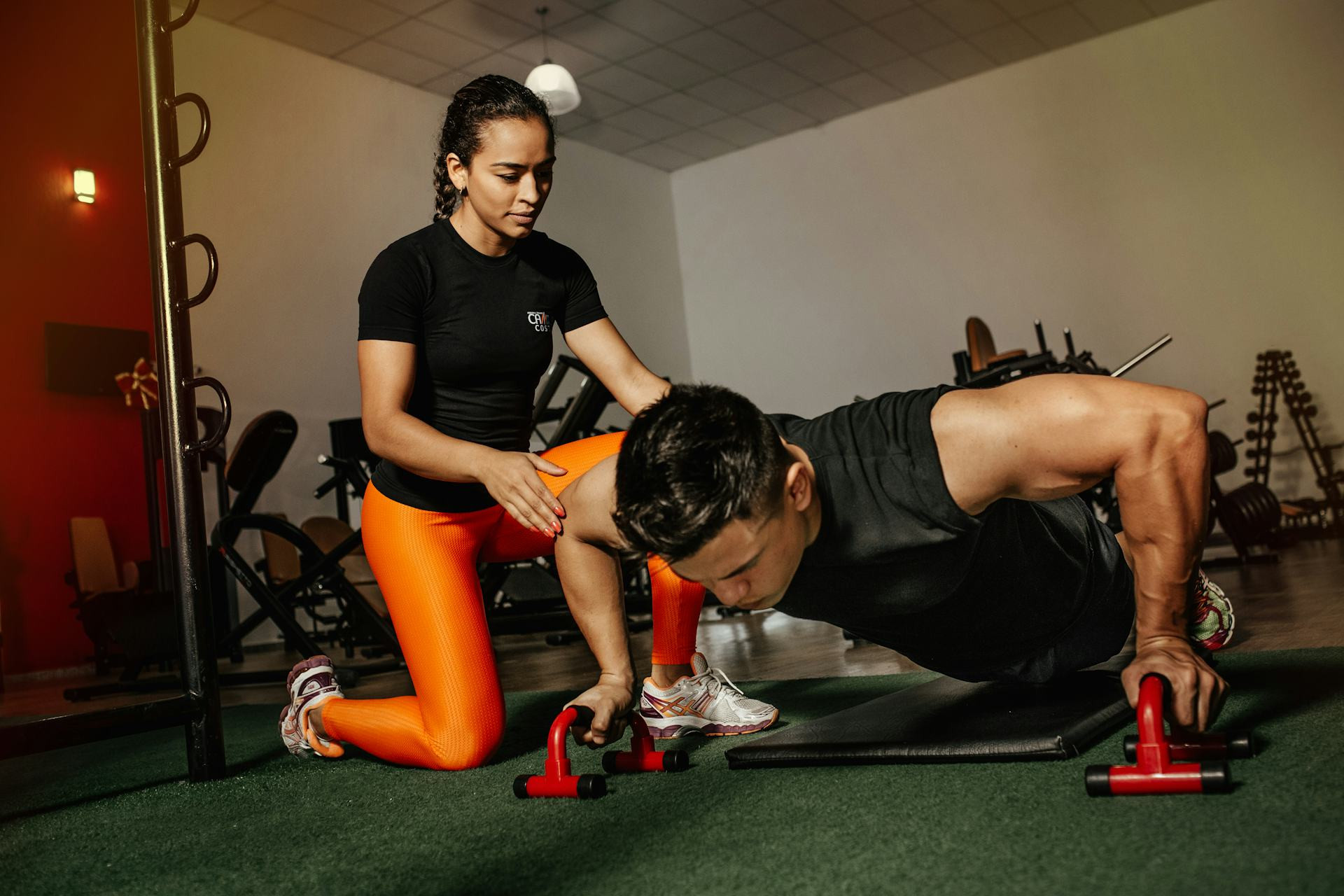
A strong partnership between athlete and coach is built on trust and open communication. That means you need to be honest about how you experience your training—physically and mentally—and your coach needs to listen and adapt accordingly.
- Be honest about how you feel. If something feels too intense, too easy, or confusing, say so. It helps your coach fine-tune your program.
- Ask about the “why.” Understanding the purpose behind an exercise or training phase makes it easier to stay motivated and engaged.
- Request specific feedback. Instead of asking, “Was that good?”, try “How can I improve my form on that lift?” or “What should I focus on during this drill?”
A good coach values an athlete who is curious and invested in their own development. That kind of dialogue builds mutual respect and leads to better results.
Listening to Your Body – Your Inner Feedback System
Feedback doesn’t only come from other people. Your body constantly sends signals about how it’s responding to training. Fatigue, soreness, energy levels, and motivation are all forms of feedback that can guide your adjustments.
Learn to distinguish between normal training soreness, which is part of adaptation, and pain, which may signal overuse or injury. Ignoring your body’s warnings can lead to setbacks, but listening and adapting can make your training more sustainable and effective.
Keeping a training journal can be a powerful tool. Note how you feel before and after workouts—energy, mood, sleep, and recovery. Over time, patterns will emerge that help you understand what works best for you.
Learning Through Others – The Power of Shared Feedback
Training with others adds another layer of feedback. Watching teammates or workout partners can help you refine your own technique and approach. Seeing how others handle challenges can be motivating and spark new ideas for your own training.
At the same time, offering feedback to others—respectfully and constructively—reinforces your own understanding. When you help others improve, you strengthen your own awareness and contribute to a supportive training environment where everyone grows together.
Using Feedback to Adjust Goals and Strategy
Progress in training is rarely linear. There will be times of rapid improvement and times when things seem to stall. Feedback is essential for evaluating and adjusting your goals and strategy along the way.
Ask yourself and your coach:
- Are my goals still realistic and motivating?
- Does the intensity need to be adjusted?
- Would adding variety or recovery improve my results?
By using feedback to guide these decisions, you avoid stagnation and keep your training aligned with your evolving needs and capabilities.
Læs også:



Creating a Culture of Learning
When feedback becomes a natural part of training, it fosters a culture where mistakes aren’t failures but opportunities to learn. It takes courage to be open—both as an athlete and as a coach—but the rewards are significant: better performance, stronger motivation, and a more meaningful training experience.
Learning to give and receive feedback is a skill that extends far beyond the gym or the track. It’s about curiosity, listening, and a willingness to grow—qualities that can enhance not only your athletic journey but every area of your life.
Læs også: