Adjust Your Home Workouts for Injuries and Soreness – Without Losing Progress


Adjust Your Home Workouts for Injuries and Soreness – Without Losing Progress
Working out at home gives you freedom and flexibility — but it also means you’re responsible for listening to your body. Minor aches and soreness are a normal part of training, yet ignoring warning signs can turn small issues into long-term problems. The good news? You can adjust your home workouts to protect your body and keep making progress. Here’s how.
Listen to Your Body’s Signals
Post-workout soreness is common, especially when you increase intensity or try new exercises. But there’s a difference between normal muscle soreness and pain that signals injury or overuse.
- Muscle soreness feels like stiffness or mild discomfort that fades after a couple of days.
- Pain is sharp, persistent, or worsens with movement — a sign that something’s not right.
If you feel pain, stop the exercise that triggers it and give your body a break. Taking a few days off is far better than being sidelined for weeks.
Adjust — Don’t Quit
An injury doesn’t always mean you have to stop training altogether. In fact, gentle movement can often support recovery if you choose the right exercises. Think adaptation, not abandonment.
- Knee pain? Swap squats for lower-impact moves like glute bridges or step-ups on a short platform.
- Shoulder issues? Focus on lower-body and core work while your upper body heals.
- General soreness? Lower the intensity but keep your routine going with light mobility work or yoga.
Maintaining your workout rhythm — even in a modified form — helps preserve your habit and motivation.
Use Variety to Prevent Overuse
Many injuries happen because we repeat the same movements too often. Adding variety is one of the best ways to prevent overuse and build a more balanced body.
Mix up your training with different types of exercise:
- Strength training to build muscle and stability.
- Cardio like walking, cycling, or dancing to boost endurance.
- Mobility and flexibility work to keep joints and muscles moving freely.
By rotating between different forms of exercise, you spread out the workload and reduce strain on any one area.
Prioritize Recovery
Progress doesn’t happen during the workout — it happens between them. Sleep, nutrition, and recovery are essential for your body to repair and grow stronger.
- Aim for 7–9 hours of sleep each night.
- Eat a balanced, protein-rich diet to give your muscles the building blocks they need.
- Include active recovery days with light movement like walking or stretching.
If you push hard every day without rest, you increase your risk of injury. Schedule rest days as a non-negotiable part of your weekly plan.
Læs også:

Get Professional Guidance When Needed
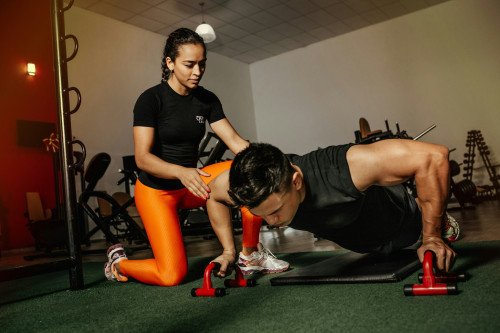
Even though home workouts are self-directed, it’s smart to seek professional help if pain persists. A licensed physical therapist or certified personal trainer can help identify the cause and guide you through safe modifications.
Many professionals now offer virtual consultations, so you can get expert advice without leaving home. A short session can save you from long-term setbacks.
Keep Your Motivation Alive
When you have to slow down, it’s easy to lose motivation. But remember — progress isn’t only about lifting heavier or running faster. It’s also about learning to train smarter and take care of your body.
Use this time to refine your form, improve your breathing, or work on balance and mobility. Set small, achievable goals — like doing 10 minutes of stretching daily or adding an extra walk each week.
That way, you’ll keep your momentum even while you recover.
A Stronger Body for the Long Run
Adjusting your workouts for injuries and soreness isn’t about giving up — it’s about thinking long-term. A smart pause or modification today can help you stay active and consistent for years to come.
Listen to your body, stay flexible, and remember: progress also means taking care of yourself. That’s the best investment you can make — for your fitness and your everyday life.
Læs også: