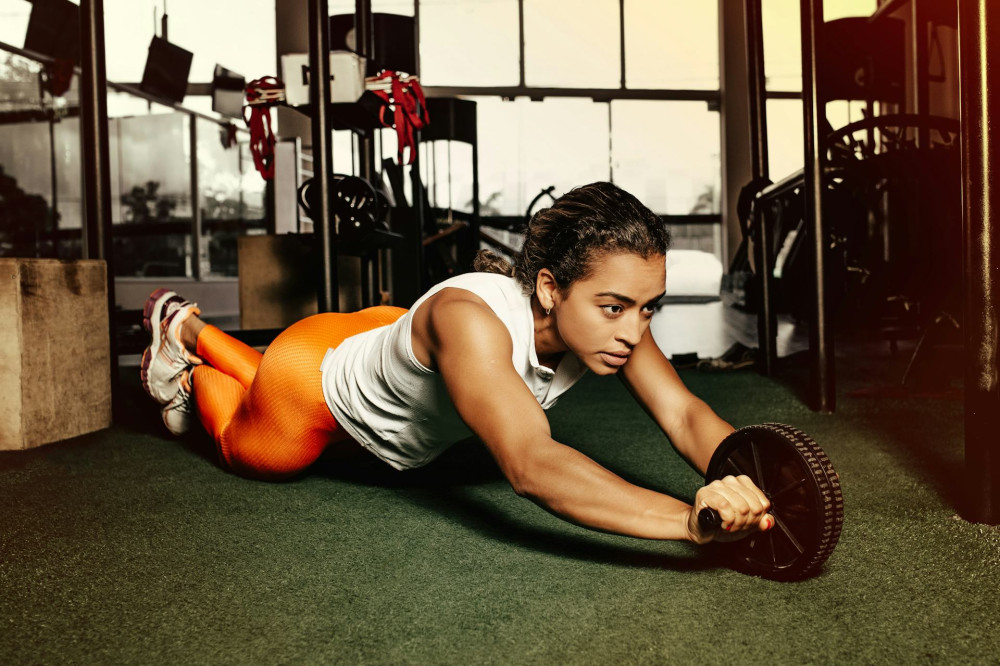
Use Workout Equipment to Set Realistic and Measurable Goals

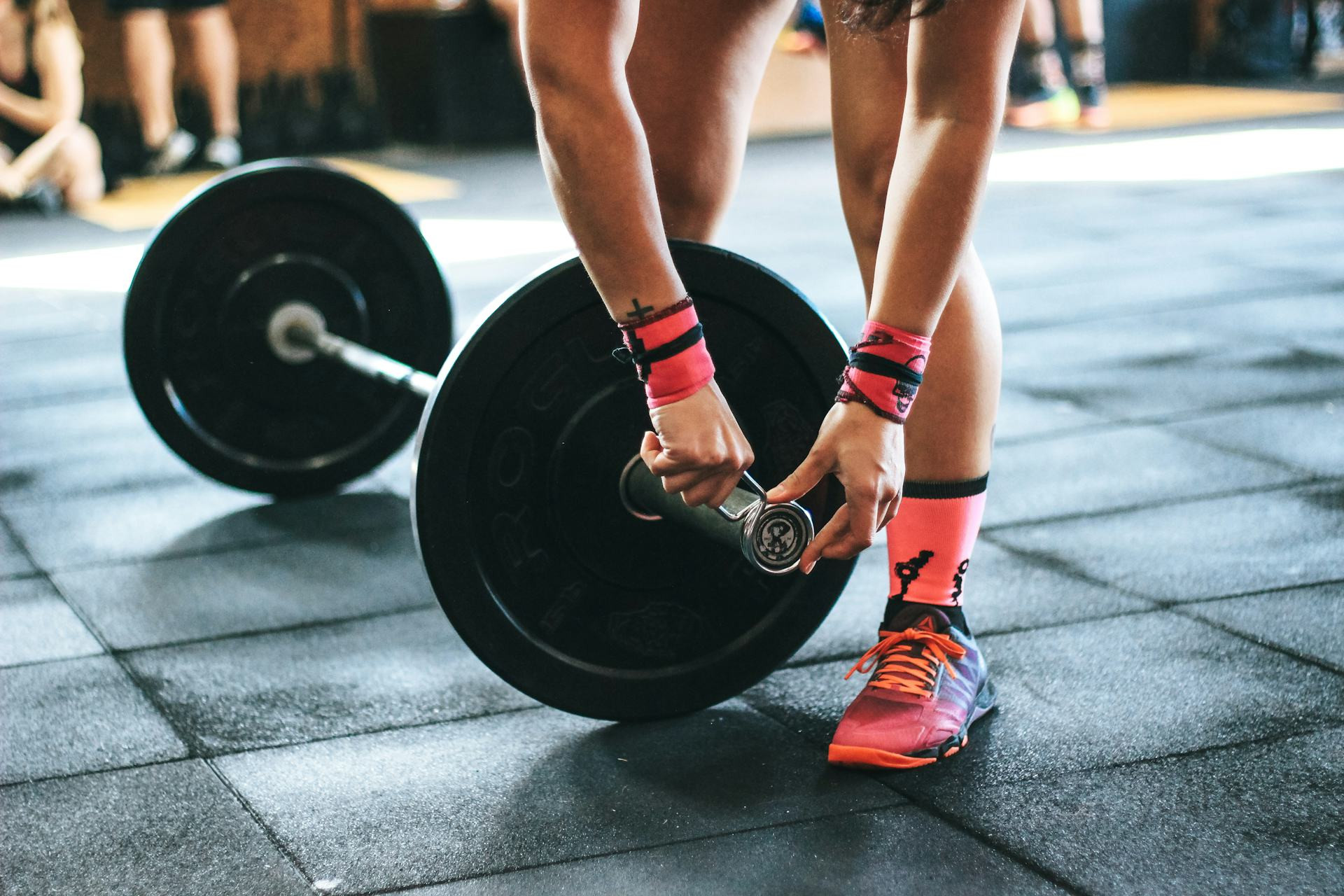
Use Workout Equipment to Set Realistic and Measurable Goals
Getting in shape isn’t just about motivation—it’s about structure and goal setting. Many people start strong but lose focus when they can’t see their progress. That’s where workout equipment can make a real difference. Whether you train at the gym or at home, the right tools can help you set realistic and measurable goals—and keep you motivated along the way.
Why Measurable Goals Matter
When you can track your progress, it’s easier to stay consistent. A goal like “I want to get fit” is vague, while “I want to run a 5K without stopping in eight weeks” gives you a clear target. Measurable goals let you see how far you’ve come and adjust your plan if you’re moving too fast or too slow.
Workout equipment such as weights, heart rate monitors, and fitness trackers can provide accurate data that shows your improvement. Seeing those numbers change over time is proof that your effort is paying off—even on days when motivation dips.
Læs også:
Make Your Equipment Your Training Partner
The right equipment can act like a training partner that keeps you accountable. A simple example is a workout log or a fitness app where you record your exercises, weights, and repetitions. When you notice that you’re lifting a little more or running a little farther than last week, you get tangible evidence that you’re moving in the right direction.
A fitness tracker or smartwatch can help you monitor your heart rate, steps, and calorie burn. It gives you a realistic picture of how active you actually are—and can reveal if you’re overestimating your effort. Many devices can also remind you to move if you’ve been sitting too long, which is especially helpful for people with desk jobs.
Set Realistic Milestones
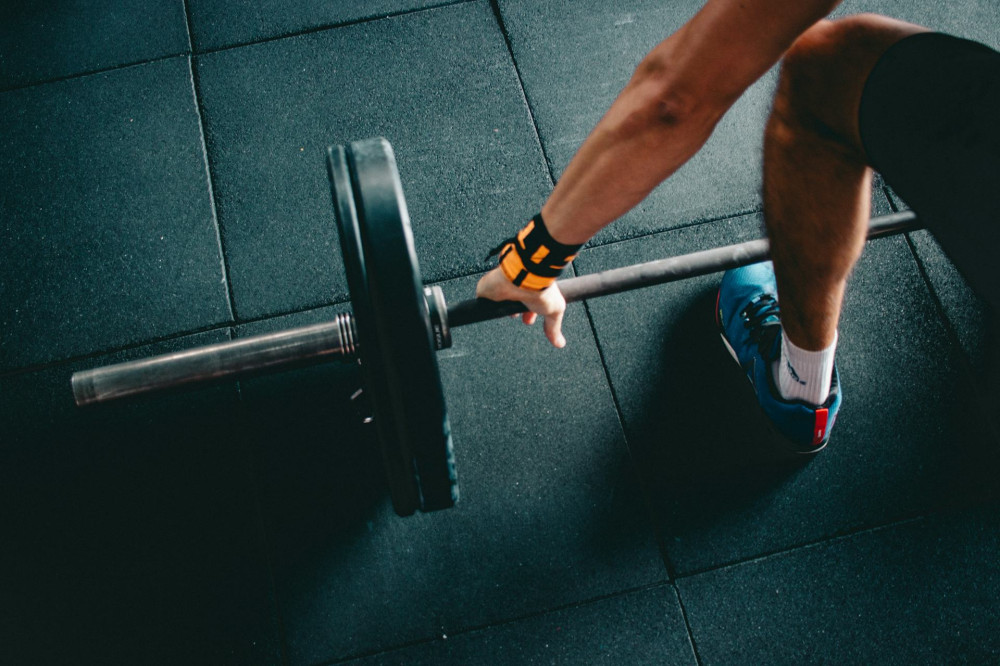
One of the most common training mistakes is setting goals that are too ambitious. That can lead to frustration or even injury. Use your equipment to set small, achievable milestones that match your current fitness level. For example, if you’re working on strength, use your barbell as a measuring tool: start with a weight you can lift 10 times and increase gradually in small increments.
For runners, a heart rate monitor can help you maintain a steady pace early on so you don’t burn out too quickly. This approach makes your goals both realistic and sustainable.
Turn Data Into Motivation
Numbers and graphs might seem dry, but they can be powerful motivators. When you see your resting heart rate drop or your rep count increase, it’s clear that your body is responding to your training. That’s a concrete reward that can keep you going, even when physical changes take time to show.
Many apps and devices also offer training programs and challenges that add structure and variety to your workouts. These can range from 30-day strength challenges to running plans that gradually increase your distance.
Remember: Equipment Is a Tool, Not a Shortcut
While equipment can help you measure and organize your workouts, it won’t do the work for you. Your effort is what drives results. Use your gear as support—not as a crutch. Listen to your body and adjust if you feel fatigue or strain.
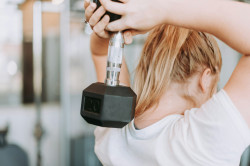
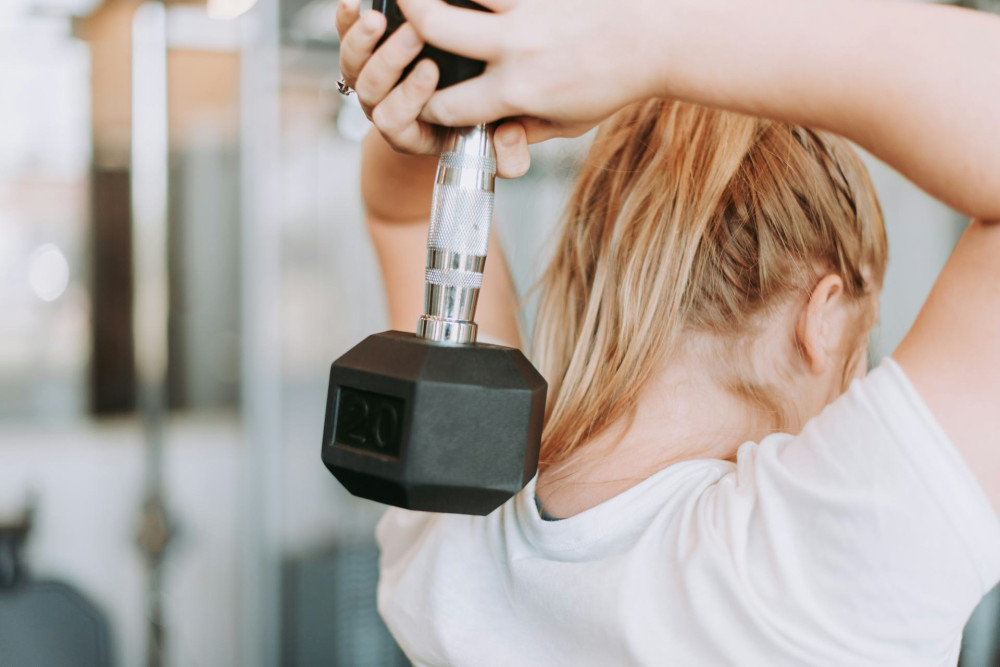
The best equipment is the kind you’ll actually use. It doesn’t have to be expensive or high-tech—a simple stopwatch, notebook, or set of dumbbells can be enough to create structure and progress.
From Tracking to Mastery
When you use workout equipment intentionally, you gain a deeper understanding of your own development. You learn how your body responds to different types of training and how to reach your goals effectively. It’s not just about getting stronger or faster—it’s about building a routine that lasts.
By combining realistic goals with measurable results, you create a solid foundation for a healthy, motivating fitness journey—no matter your starting point.
Læs også: