More Than Calories: How Physical Activity Supports Weight Loss in Multiple Ways

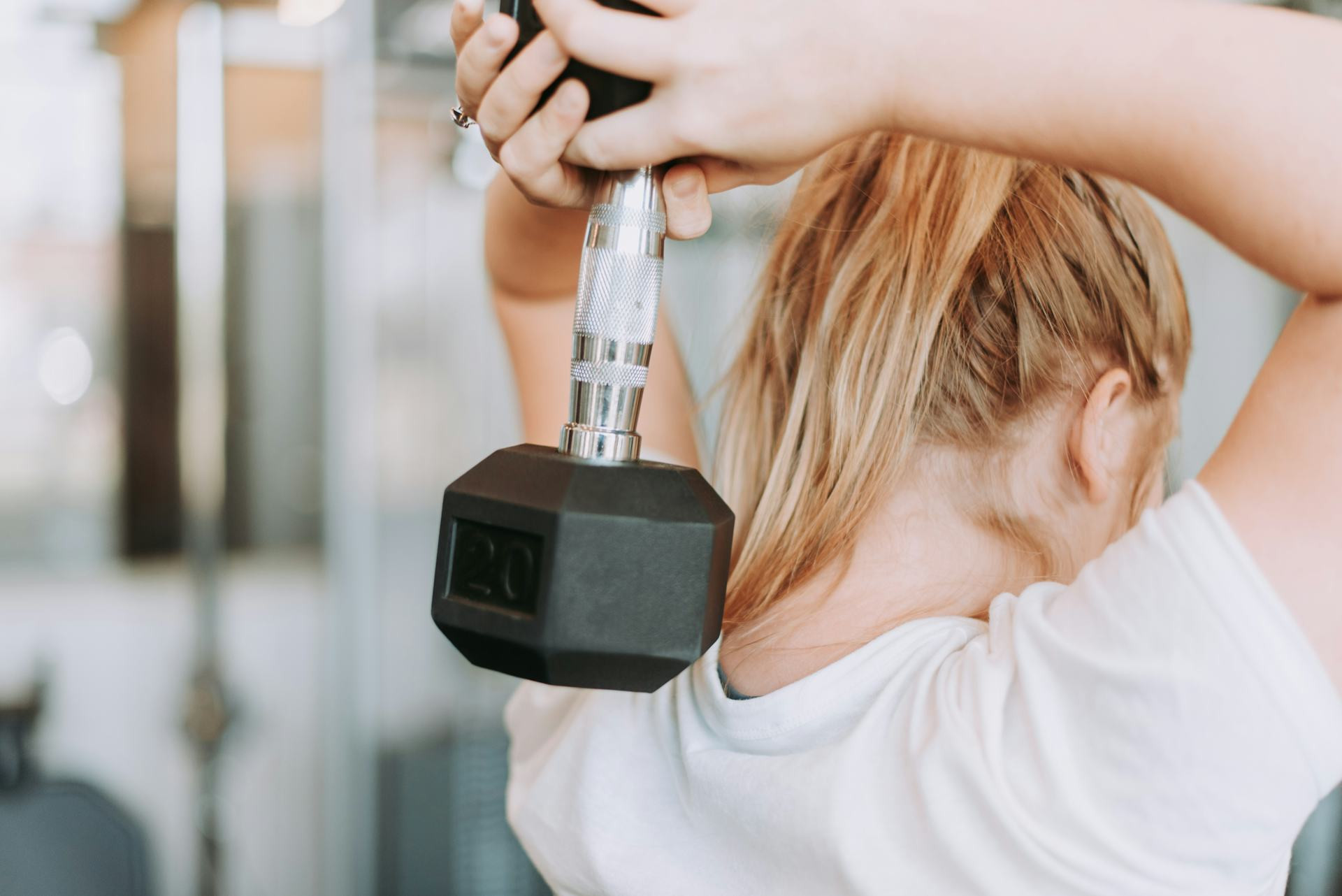
More Than Calories: How Physical Activity Supports Weight Loss in Multiple Ways
When people talk about weight loss, the conversation often centers on calories—how many we eat and how many we burn. But physical activity contributes to weight loss in far more ways than just through energy expenditure. Exercise affects the body, mind, and daily habits in ways that make it easier to lose weight—and to keep it off. Here’s a closer look at how movement supports weight loss beyond the calorie equation.
Building Muscle and Boosting Metabolism
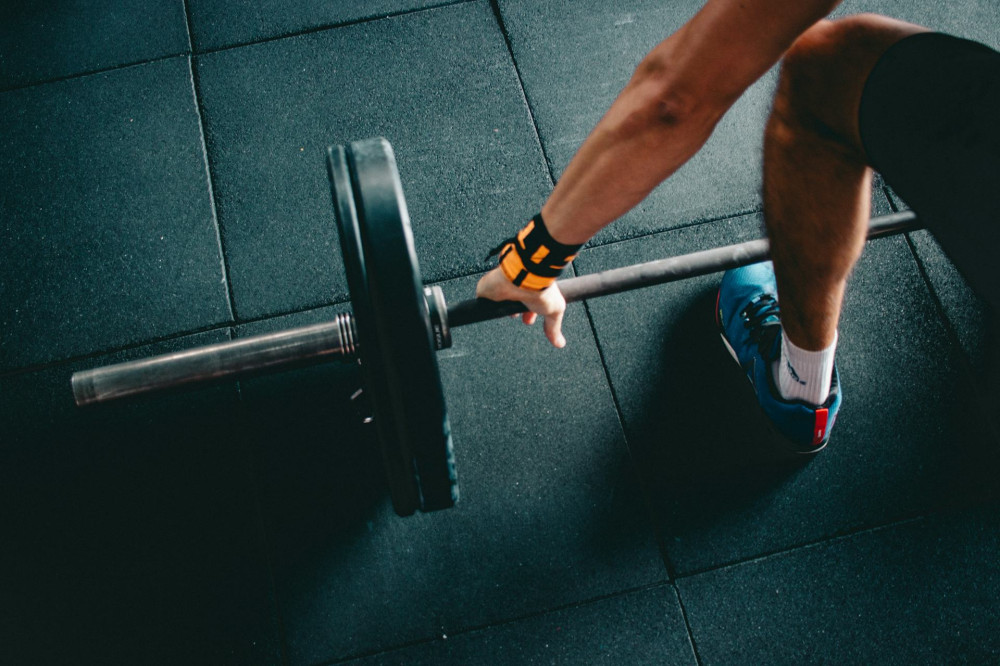
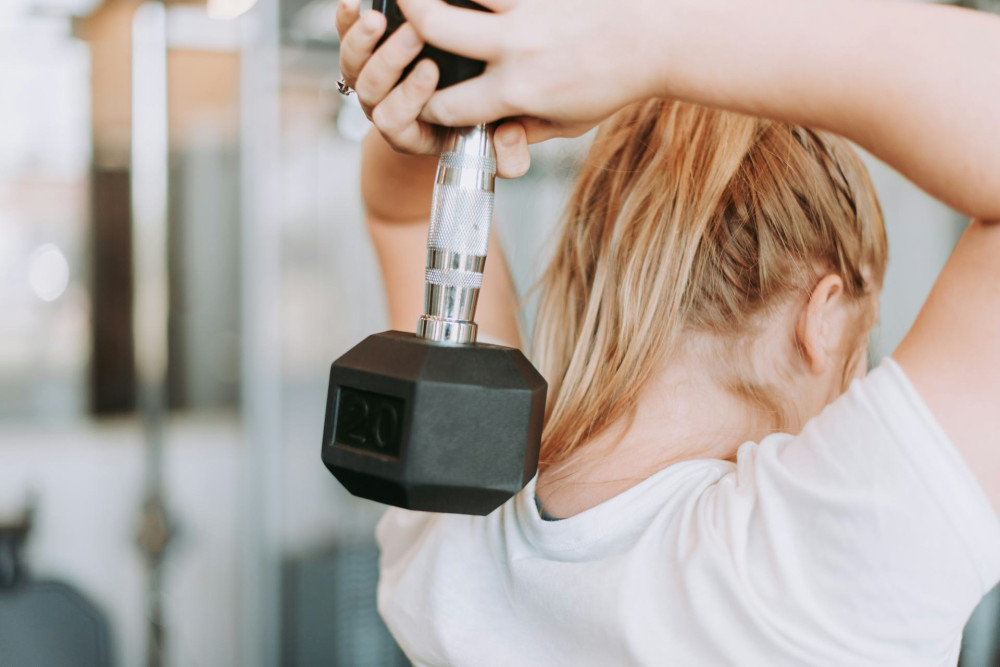
Regular physical activity, especially strength training or resistance-based exercise, helps build muscle mass. Muscle tissue burns more energy than fat tissue, even at rest. That means your resting metabolism increases, allowing you to burn more calories throughout the day—even when you’re not working out.
Exercise also helps preserve muscle while you’re in a calorie deficit. Without it, part of the weight you lose may come from muscle instead of fat, which can slow your metabolism and make long-term weight maintenance harder. By staying active, you help your body stay strong and keep its energy-burning capacity high.
Better Appetite Regulation
Exercise influences the hormones that control hunger and fullness, such as leptin and ghrelin. Regular physical activity can help stabilize these hormones, making it easier to recognize when you’re truly hungry and when you’re eating out of habit or emotion.
Moderate to vigorous exercise can temporarily reduce appetite, while lower-intensity activities like walking can help manage stress and reduce emotional eating. In this way, movement becomes a tool for developing a more balanced relationship with food.
Mental Health and Motivation
One of the most underrated benefits of physical activity is its impact on mood and motivation. Exercise releases endorphins and other brain chemicals that boost well-being and reduce stress—key factors when you’re trying to change habits.
Many people who struggle with weight loss experience periods of low motivation or self-criticism. Exercise can create a positive feedback loop: moving your body gives you more energy, improves sleep, and fosters a sense of control—all of which make it easier to stick with healthy choices. Even small amounts of daily movement can make a noticeable difference in mental resilience.
Sleep and Recovery—The Overlooked Factors
Good sleep is a crucial but often overlooked part of weight management. Physical activity can improve sleep quality, which in turn supports appetite regulation and metabolism. Lack of sleep raises levels of the stress hormone cortisol, which can promote fat storage and increase cravings for sugary foods.
Regular exercise—especially outdoors—helps your body maintain a natural circadian rhythm. That makes it easier to fall asleep, sleep deeply, and wake up refreshed. A well-rested body makes better decisions and manages hunger signals more effectively.
Læs også:


A Sustainable Lifestyle, Not a Temporary Fix
Physical activity helps shift the mindset from “dieting” to living a healthier lifestyle. When movement becomes a natural part of your day, you’re not just changing your weight—you’re changing your identity. You start to see yourself as someone who takes care of their body.
It doesn’t have to mean intense gym sessions. A lunchtime walk, biking instead of driving, or a dance class with friends can all make a difference. The key is consistency and enjoyment, not perfection or intensity alone.
Focusing on the Whole Person
Weight loss is rarely just about the number on the scale. It’s about feeling better in your body, having more energy, and building confidence. Physical activity supports all of these goals—through both physiological and psychological pathways.
When you view exercise as a form of self-care rather than punishment for eating, it becomes easier to maintain. Weight loss stops being a short-term project and becomes a gradual process of building a healthier, more sustainable lifestyle.
Læs også: