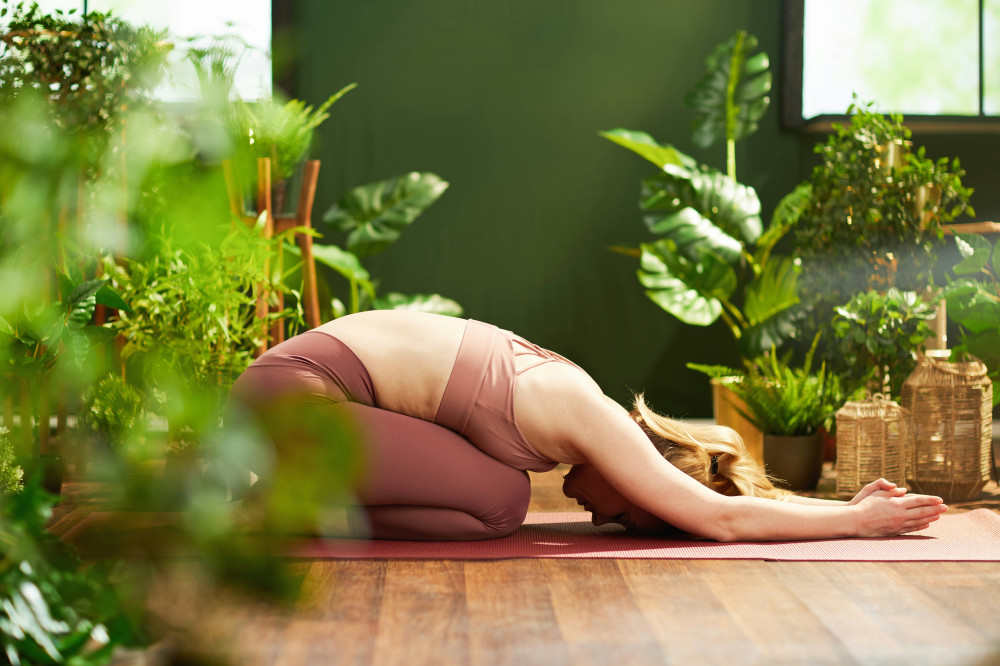
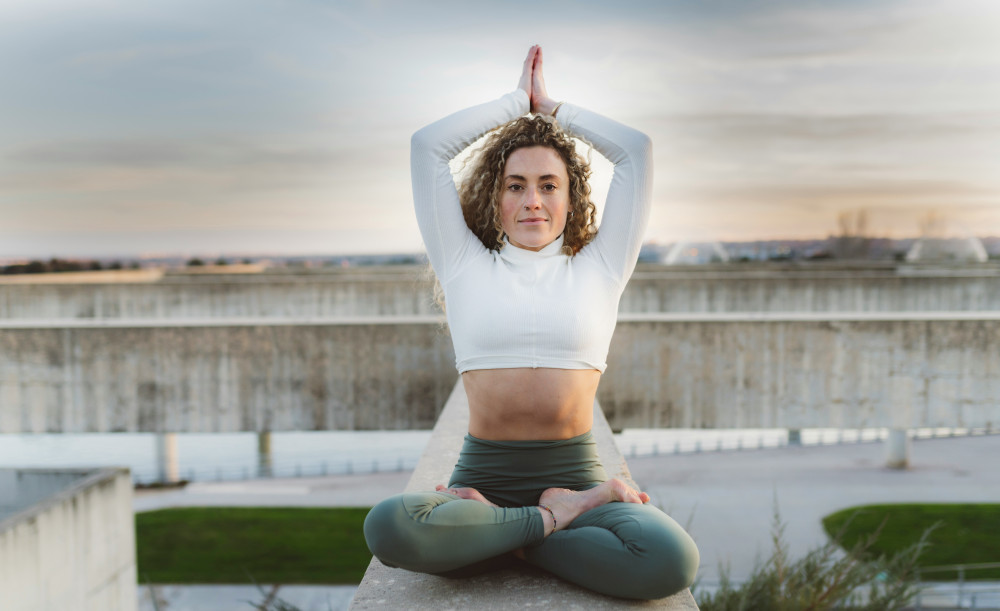
Yoga and Posture: Prevent Tension Through Greater Body Awareness

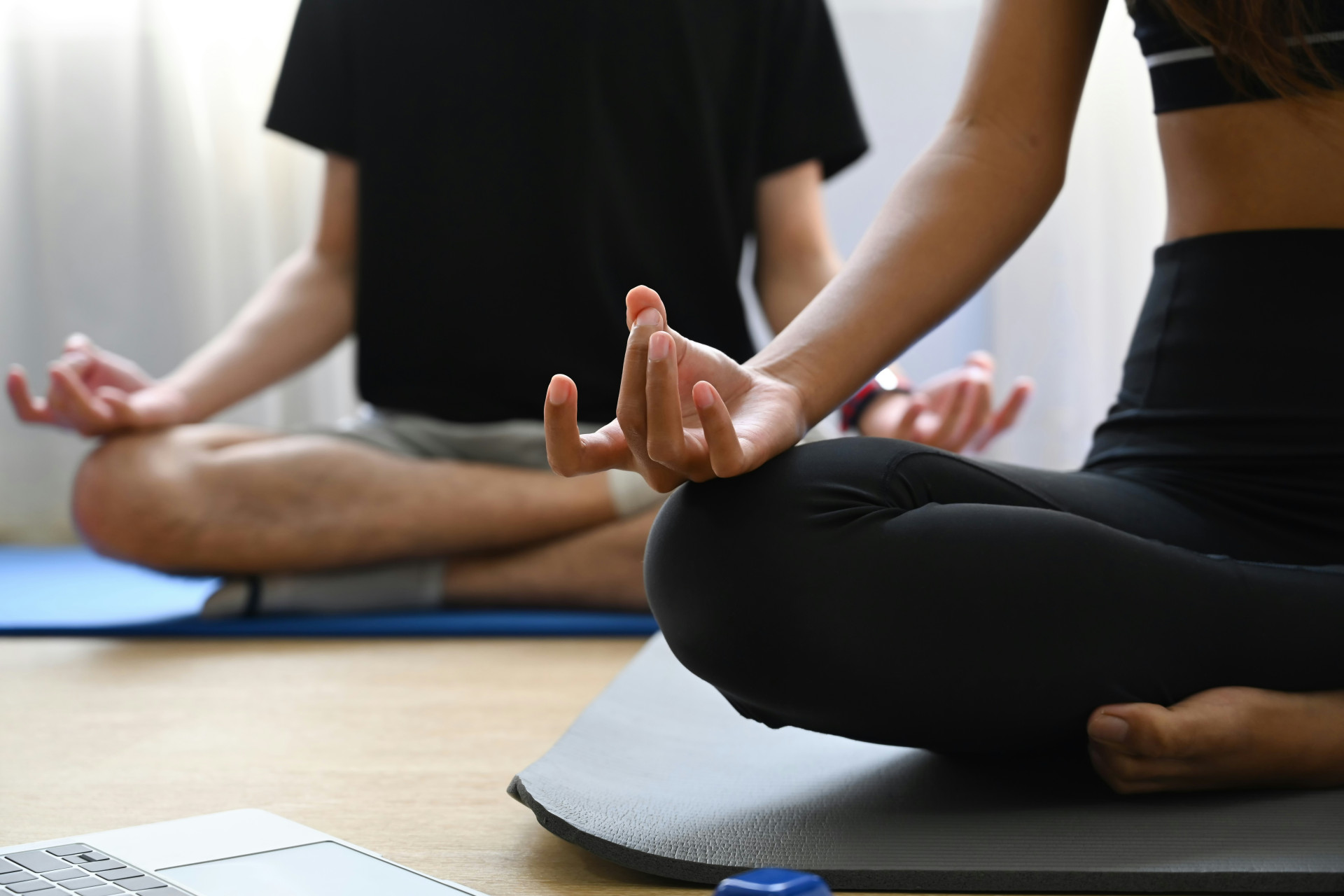
Yoga and Posture: Prevent Tension Through Greater Body Awareness
Many of us spend long hours sitting at a desk, driving, or looking down at our phones. Over time, these habits take a toll on our bodies—especially in the neck, shoulders, and lower back. Poor posture and a lack of body awareness can lead to tension, fatigue, and chronic discomfort that gradually become part of daily life. Yoga offers an effective way to restore balance, strengthen natural alignment, and prevent tension by cultivating greater awareness of how we move and hold ourselves.
Body Awareness – The Key to Better Posture
Body awareness means noticing how your body feels, moves, and responds. In yoga, this awareness is developed through mindful movement, breath, and focus. When you learn to observe how you sit, stand, and breathe, it becomes easier to recognize and correct unhelpful habits.
Many of our physical tensions arise because we unconsciously hunch our shoulders, collapse our chest, or hold our breath when concentrating. Yoga helps break these patterns. By working on balance, strength, and flexibility, you learn to support your body from within—not through force, but through attention.
How Yoga Improves Posture
Yoga strengthens the muscles that keep the body upright while increasing flexibility in areas that tend to become tight. Poses that open the chest and stretch the front of the body counteract the rounded posture that often comes from sitting at a computer. At the same time, the back, core, and legs become stronger, giving the body a more stable and natural foundation.
Breath is a central element of yoga. Deep, steady breathing activates the body’s natural support systems and helps release tension. Over time, you may notice that you stand taller, move more freely, and feel more energized—without necessarily engaging in traditional “workouts.”
Simple Everyday Practices
You don’t need to spend hours on a yoga mat to feel the benefits. Small moments of awareness throughout the day can make a big difference:
- Mindful breathing: Take a few deep breaths, noticing your chest expand and your shoulders relax. Repeat several times a day.
- Stretch your spine: Stand up, reach your arms overhead, and lengthen through your entire body. This wakes up your muscles and counters slouching.
- Open your chest: Clasp your hands behind your back and gently draw your shoulder blades together. This helps reverse the forward curve from screen time.
- Stand with awareness: When standing, distribute your weight evenly on both feet and feel your body’s natural balance.
These short pauses help reconnect body and mind—and prevent tension from building up unnoticed.
Læs også:

Yoga as Mental Relaxation
Posture isn’t just about muscles and bones; it’s also about mindset. Stress and worry often cause us to tighten up and “shrink” our bodies. Yoga provides a space to quiet the mind and find calm. When you move with awareness and breathe deeply, you signal to your nervous system that you are safe. This sense of ease is reflected in your posture.
Many people find that regular yoga practice not only improves posture but also enhances overall well-being and presence in daily life. It becomes easier to sit, stand, and move with lightness—and to notice when tension begins to creep in.
Making Body Awareness a Habit
Improving posture isn’t about “straightening up” once and for all—it’s about creating new habits. Yoga can help integrate this awareness into everyday life. Start with short sessions and pay attention to how your body feels before and after. Over time, you’ll find yourself moving more freely and standing more steadily—both physically and mentally.
Body awareness is an ongoing process, not a destination. The more you listen to your body, the better you can care for it—and the more easily you can prevent the tension that so often accompanies modern life.
Læs også: