Live with Authenticity: What the Philosophy of Yoga Can Teach Us About a Meaningful Life

Live with Authenticity: What the Philosophy of Yoga Can Teach Us About a Meaningful Life
In a culture that prizes productivity and constant motion, many Americans are searching for something deeper—something that feels real. For some, yoga has become a way to stay fit and flexible, but behind the physical postures lies a profound philosophy. The ancient teachings of yoga offer more than a workout; they offer a way of living rooted in authenticity, awareness, and purpose.
More Than Poses and Flexibility
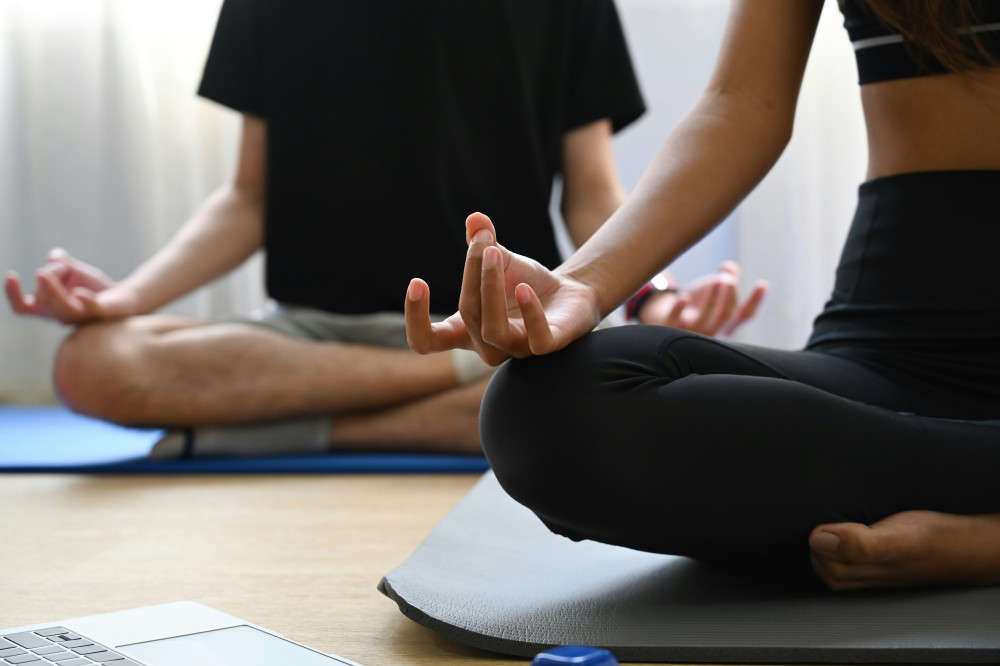
When most people in the U.S. think of yoga, they picture a studio filled with mats, stretching, and calm music. But in its original form, yoga is a holistic system that unites body, mind, and spirit. The physical postures—known as asanas—are only one of eight limbs described in Patanjali’s Yoga Sutra, a foundational text of yogic philosophy. The other limbs include ethical principles, self-discipline, concentration, and meditation.
The goal of yoga is not simply to master the body but to create harmony between our inner and outer lives. When we understand this broader perspective, yoga becomes more than something we do—it becomes a way of being.
Authenticity as a Way of Life
One of the central principles in yoga philosophy is satya, or truthfulness. This isn’t just about telling the truth to others—it’s about living truthfully with ourselves. It means aligning our actions with our values and listening to our inner voice. In a society where success is often measured by achievement and appearance, satya invites us to pause and ask: Am I living in alignment with what I truly believe?
Living authentically takes courage. It means saying no when something doesn’t feel right and standing by our choices even when they go against expectations. Yoga teaches that real freedom doesn’t come from doing whatever we want, but from choosing what resonates with our deepest sense of integrity.
Læs også:



Presence in a Busy World
Another key concept in yoga is ahimsa, or non-violence. This principle encourages us to approach both ourselves and others with kindness and compassion. In practice, it means letting go of harsh self-criticism, comparison, and judgment. When we treat ourselves gently, it becomes easier to be present and genuine in our relationships.
The breath—so central to yoga practice—is a simple yet powerful tool for bringing this philosophy into daily life. A few conscious breaths can calm the nervous system, create space between thought and reaction, and remind us that we don’t have to rush through every moment. Presence begins with awareness, and awareness is the heart of yoga.
Finding Meaning Through Connection
According to yogic philosophy, all life is interconnected. When we feel disconnected—from nature, from others, or from our own inner stillness—we experience imbalance. Yoga seeks to restore that sense of connection. It might happen through meditation, where we touch the quiet beneath our thoughts, or through community, where we share the experience of being part of something larger than ourselves.
A meaningful life, then, is not only about personal fulfillment but also about recognizing our place in the greater whole. When we live authentically, our actions become more intentional, and our relationships more genuine.
Bringing Yoga Off the Mat
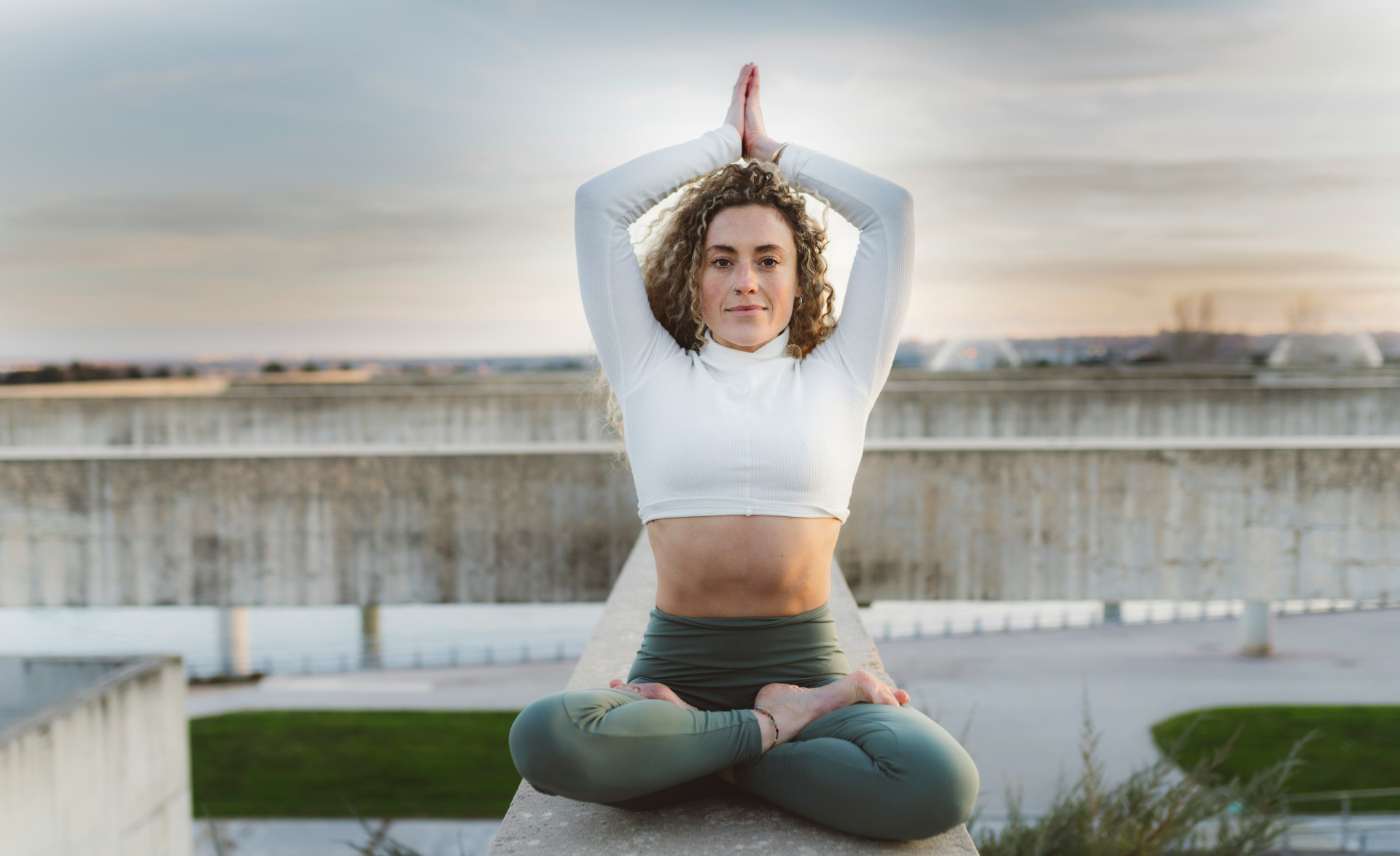
The philosophy of yoga invites us to carry what we learn on the mat into everyday life. It can shape how we respond to challenges, how we communicate, and how we show up in our work and communities. Authenticity isn’t about perfection—it’s about honesty, even when life feels messy or uncertain.
The next time you find yourself in a yoga pose, you might ask: How can I bring this sense of balance, patience, or strength into the rest of my day? In doing so, yoga becomes more than a physical practice—it becomes a philosophy for living with awareness, compassion, and meaning.
Læs også: