Create a Home for Calm and Movement: Design Your Own Yoga Room

Create a Home for Calm and Movement: Design Your Own Yoga Room
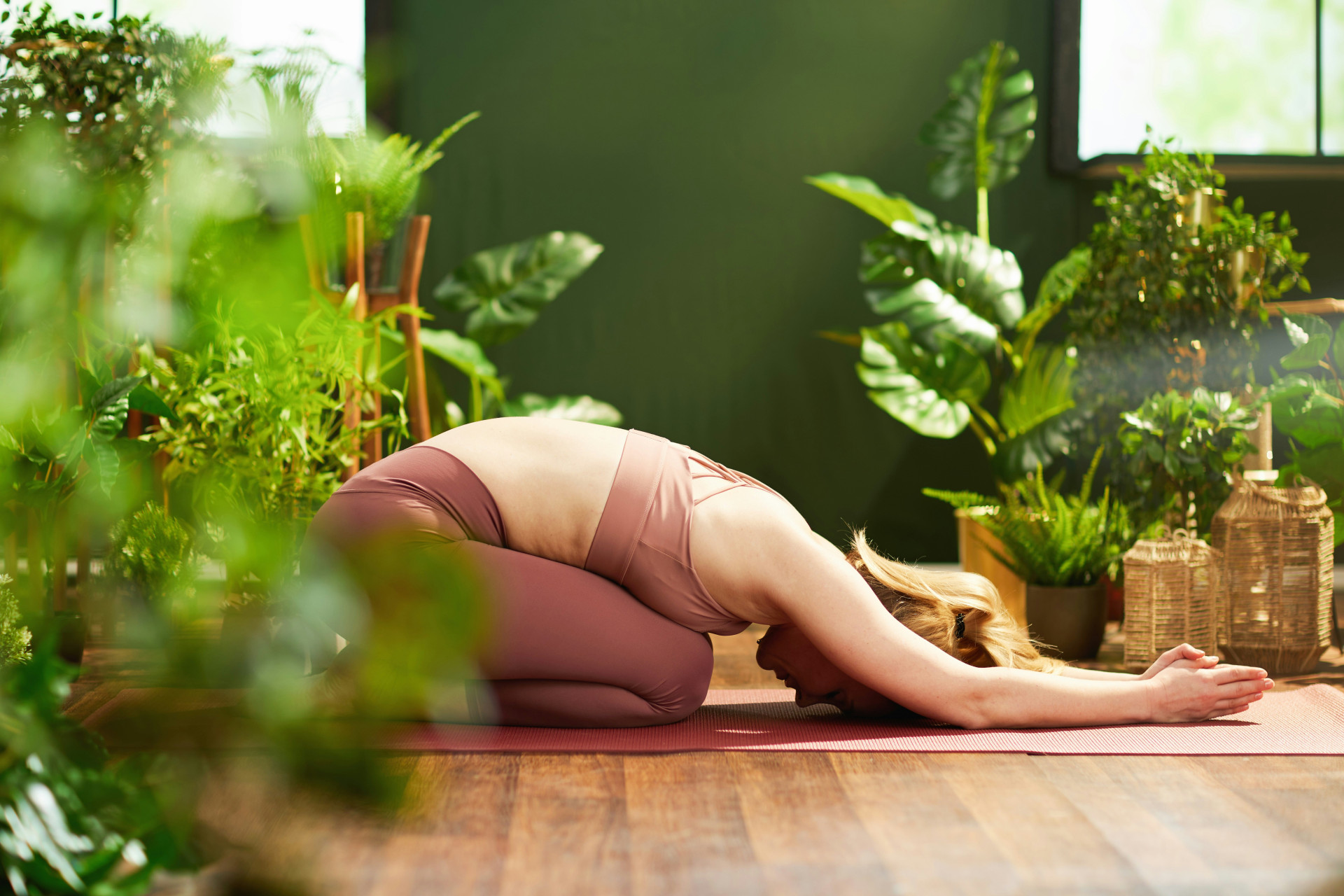
A yoga room doesn’t need to be large or elaborate to bring peace and balance into your daily life. What matters most is that the space invites presence, movement, and reflection—a place where you can step away from the pace of everyday life and reconnect with your body and mind. Here’s how to design your own yoga room, whether you have an entire room or just a quiet corner in your home.
Set the Mood for Calm
The atmosphere of your yoga space shapes how you experience your practice. Begin by clearing away clutter—an organized space helps quiet the mind. Choose soothing colors such as soft earth tones, muted greens, or warm neutrals that create a natural and relaxing feel.
Lighting is equally important. If possible, make use of natural light, but add curtains or dimmable lamps so you can adjust the brightness for a more meditative mood. Soft lighting from candles or a Himalayan salt lamp can add warmth and serenity to the space.
Choose the Right Foundation and Equipment
A quality yoga mat is the foundation of your practice. Select one that suits your style—thicker mats for gentle or restorative yoga, thinner ones for dynamic flows like vinyasa or ashtanga. Add a few supportive props such as blocks, straps, cushions, or a cozy blanket to help you move safely and comfortably through poses.
If space allows, keep a small shelf or basket for your gear so everything stays organized and easy to access. A tidy setup makes it more inviting to roll out your mat and begin.
Make Room for Both Movement and Stillness
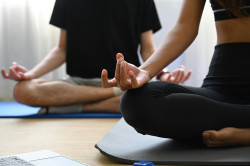
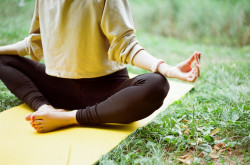
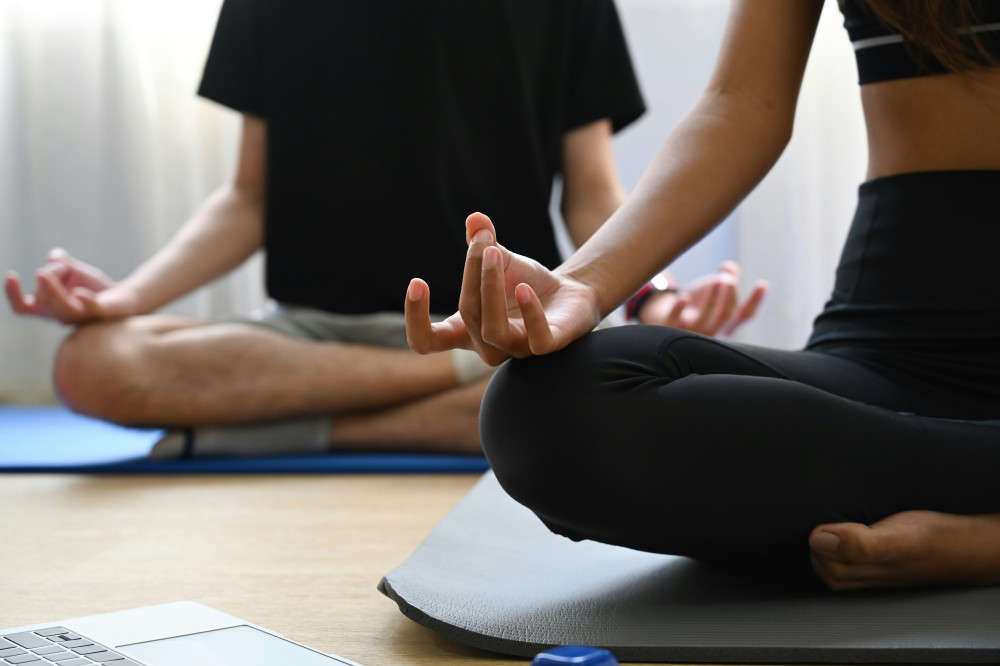
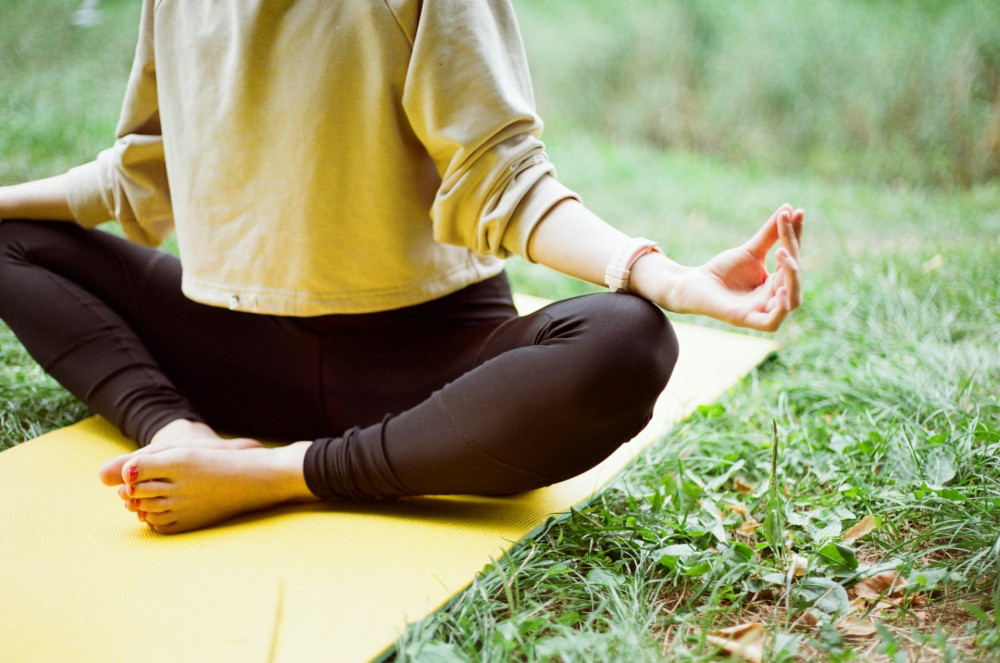
A yoga room is not only for physical practice—it’s also a space for stillness and reflection. Ensure there’s enough room to move freely, but also create a corner for meditation or breathwork. A meditation cushion, a soft throw, and perhaps a small table with a candle, plant, or crystal can form a peaceful focal point.
Consider how you’ll use the space for relaxation or mindfulness. A quiet nook with soft textures and gentle lighting can help you unwind after a busy day.
Bring Nature and Personal Touches Inside
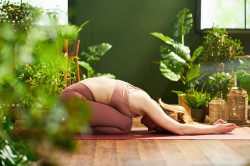
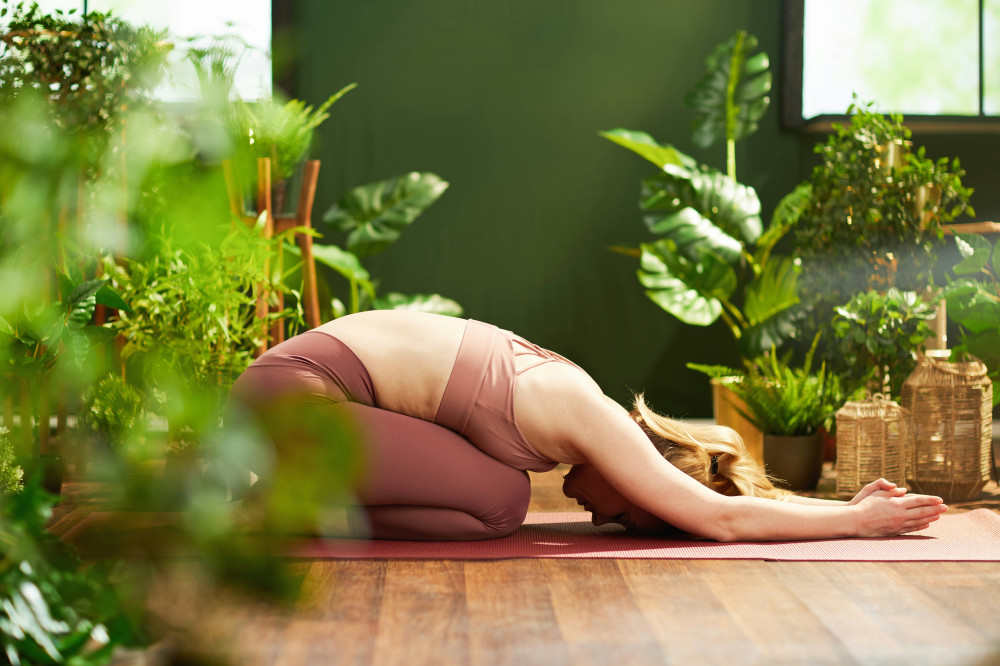
Natural materials like wood, cotton, linen, and wool add warmth and a grounded feeling. A few green plants can bring freshness and life to the room while improving air quality. You might also enjoy subtle natural scents—lavender, sandalwood, or citrus—through essential oils or incense, but use them sparingly to avoid overwhelming the senses.
Personal details make the space truly yours. It could be a photo, a meaningful quote, a seashell from a favorite beach, or something that reminds you why you practice yoga. The key is to surround yourself with items that inspire calm and connection.
Build a Consistent Routine
Once your yoga room is ready, the next step is to use it regularly. Create small rituals to mark the beginning and end of your practice—light a candle, unroll your mat, or take a few deep breaths in silence. These simple actions help your body and mind settle into the moment and make it easier to maintain your routine.
Even a few minutes of daily practice can make a difference. Having a dedicated space means you don’t have to rearrange furniture or clear space each time—you can simply step in, breathe, and begin.
Læs også:
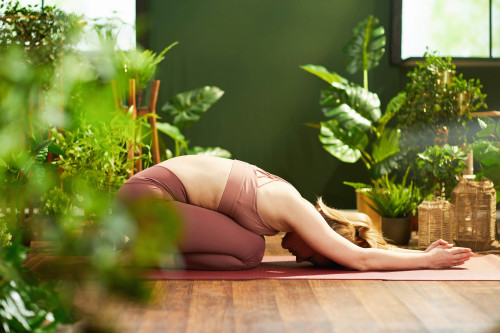
A Space for Balance in Everyday Life
A home yoga room is more than a place to exercise—it’s a sanctuary for calm, movement, and mindfulness. When you design a space that reflects your needs and values, it becomes a natural part of your daily rhythm. It can energize you in the morning or help you release the day’s tension in the evening.
No matter how big or small your space is, the goal is to create an atmosphere that supports your presence—in your body, your breath, and the moment.
Læs også: