From New Connections to a Strong Community: The Social Development of Team Sports

From New Connections to a Strong Community: The Social Development of Team Sports
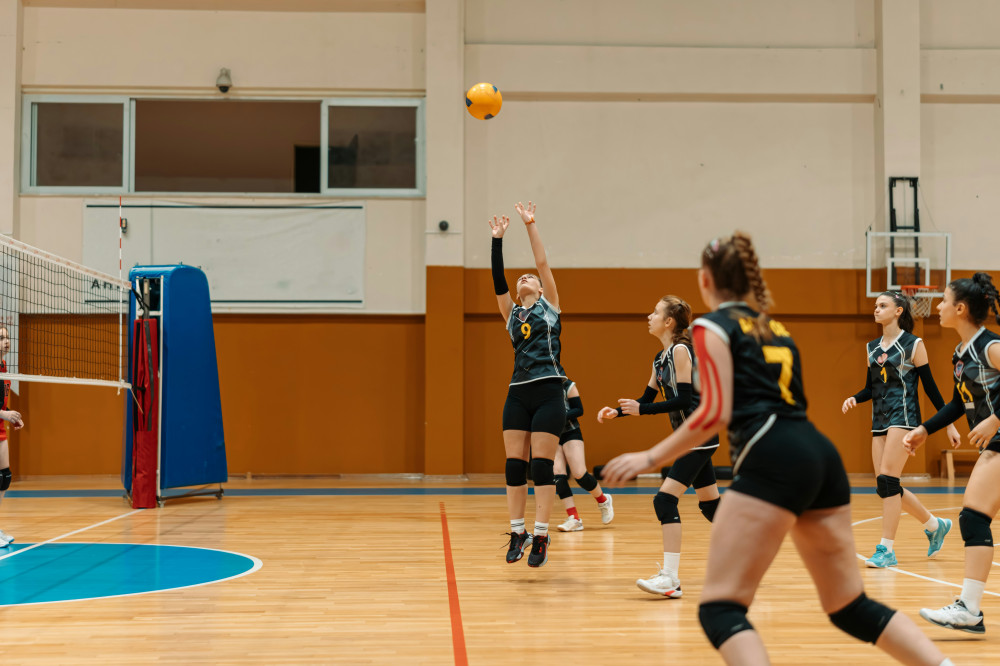
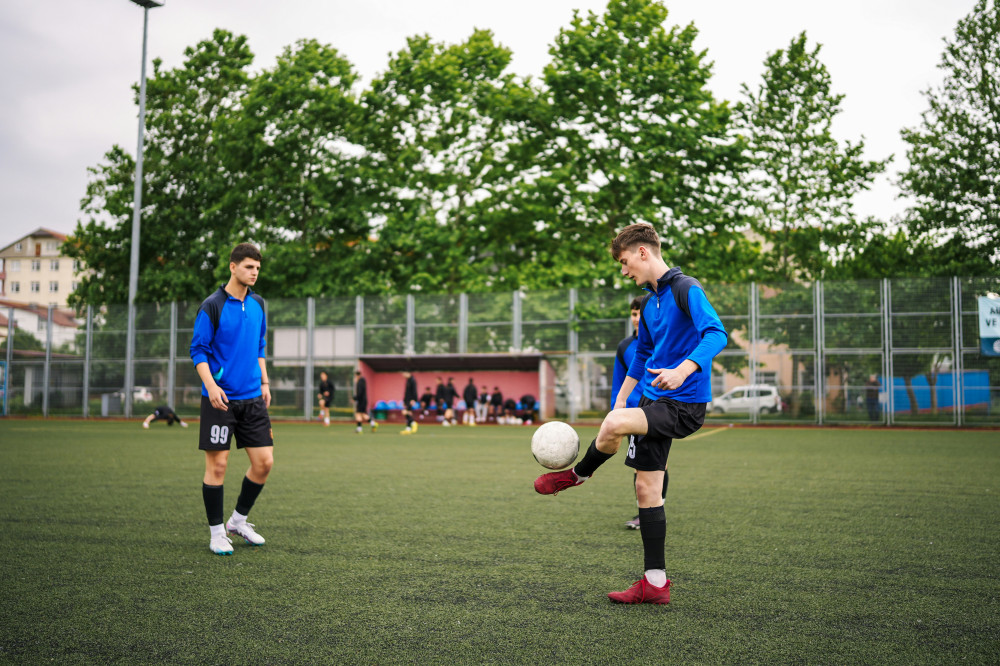
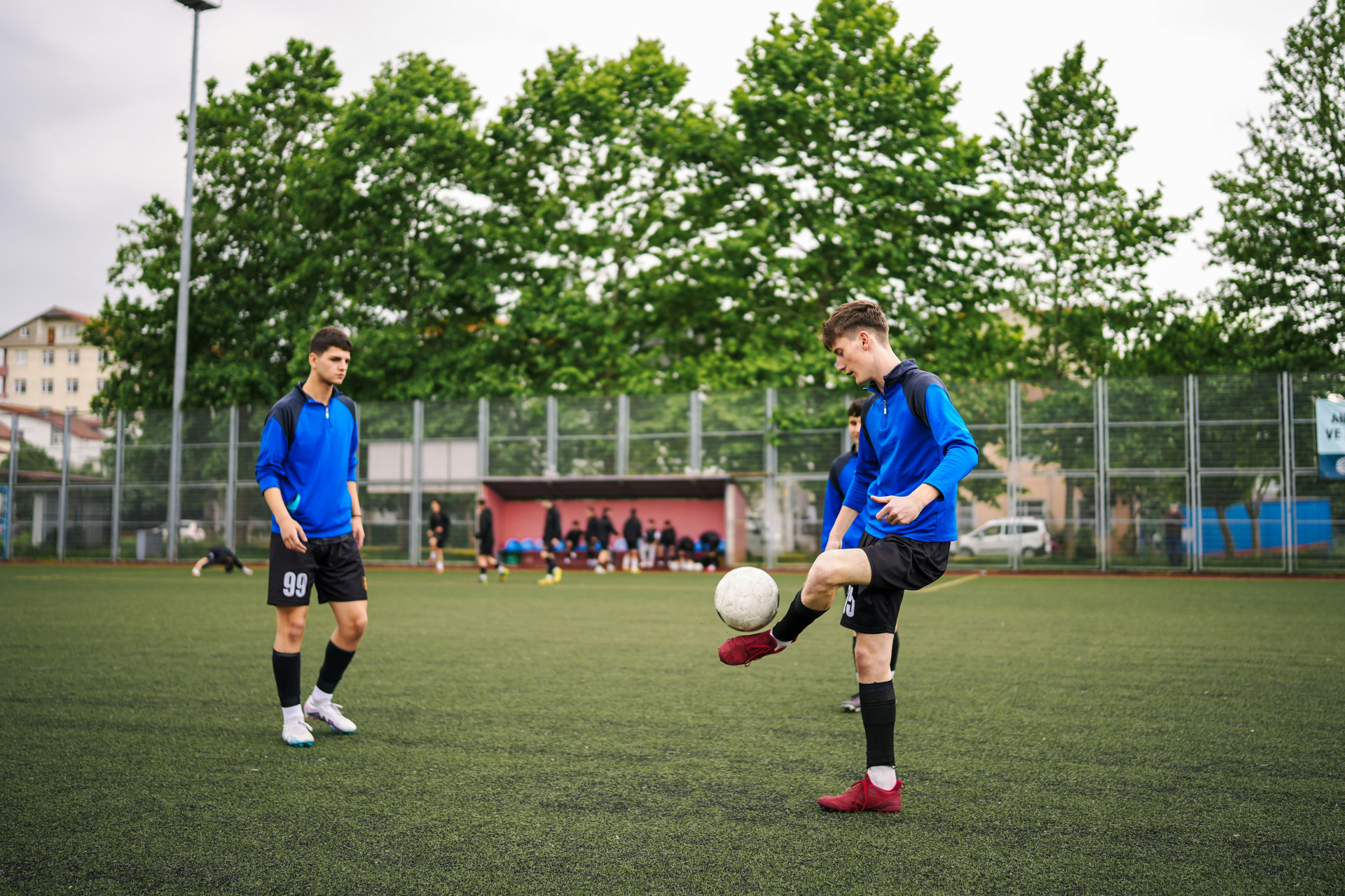
When you step onto a basketball court, soccer field, or baseball diamond, it’s rarely just about the game. Team sports are as much about connection, cooperation, and belonging as they are about competition. Over the past few decades, team sports in the United States have evolved from being primarily performance-driven to becoming spaces where people of all ages come together to share experiences, build friendships, and strengthen communities.
From Competition to Connection
In the past, team sports were often defined by winning and losing. Success was measured in trophies and scoreboards, and teamwork was a means to victory. Today, the focus has broadened. Many clubs, schools, and community programs emphasize inclusion, well-being, and the joy of participation—regardless of skill level.
This shift reflects a wider cultural change. Americans are increasingly aware of the importance of mental health, social connection, and balance. For many, joining a team is less about being the best and more about being part of something meaningful.
The Social Power of Team Sports
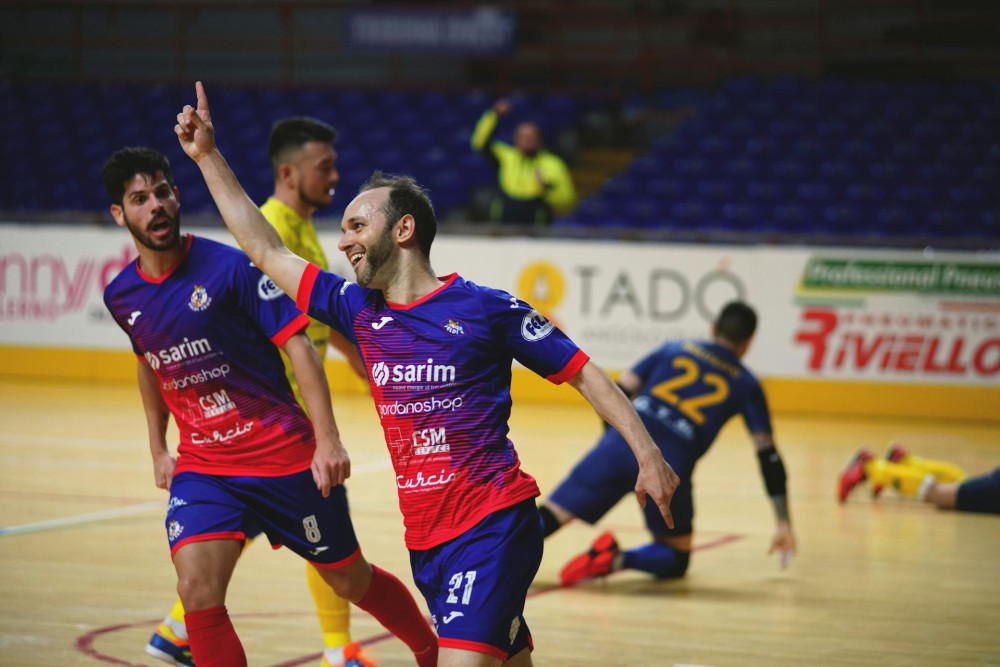
Team sports have a unique ability to bring people together across age, background, and experience. When teammates train, compete, and celebrate together, they form bonds that often extend beyond the field. For many, teammates become a second family—a group that offers support, laughter, and a sense of belonging.
For children and teens, team sports are a powerful setting for social learning. They teach communication, empathy, and responsibility—skills that extend far beyond the game. For adults, joining a recreational league or community team can be a welcome break from daily routines, offering both exercise and genuine human connection.
New Ways to Build Community
Technology has also reshaped how teams connect. Apps and online platforms make it easier to organize practices, share updates, and stay in touch outside of games. Social media allows teams to celebrate their moments—big wins, small victories, and everything in between—strengthening the sense of unity.
Yet, even in a digital age, the most meaningful connections still happen face-to-face. It’s in the locker room, on the sidelines, and during practice that relationships truly grow. The shared effort, the encouragement, and even the setbacks all contribute to a deeper sense of community.
The Well-Being Factor
Research consistently shows that people who participate in team sports report higher levels of happiness and mental well-being. The benefits go beyond physical fitness. Being part of a team provides purpose, belonging, and emotional support—things that many people find increasingly valuable in a fast-paced, often isolating world.
For older adults, team sports can be a way to stay active both physically and socially. Across the country, senior leagues and walking soccer programs are gaining popularity, focusing on movement, camaraderie, and fun rather than competition.
Læs også:

The Future of Team Sports: More Than a Game
The social evolution of team sports points toward a future where community matters more than ever. Schools, local leagues, and national organizations are working to create inclusive environments where everyone feels welcome—regardless of age, gender, background, or ability.
Team sports are no longer just about playing to win. They’re about creating spaces where people meet, grow, and support one another. In a time when many Americans struggle with loneliness and disconnection, team sports can serve as one of the strongest antidotes—a place where new connections turn into lasting communities.
Læs også: