A Day in the World of Elite Sports: Balancing Training, Recovery, and Personal Life

A Day in the World of Elite Sports: Balancing Training, Recovery, and Personal Life
For many, life as an elite athlete seems like the ultimate dream—traveling the world, competing at the highest level, and living in peak physical condition. But behind the medals, records, and highlight reels lies a lifestyle built on discipline, structure, and constant balance. Every day is carefully planned around training, recovery, and the ongoing effort to maintain a sense of normalcy outside of sport. What does a typical day look like for an elite athlete, and how do they manage to perform at their best while still being human?
A Day Defined by Routine and Rhythm
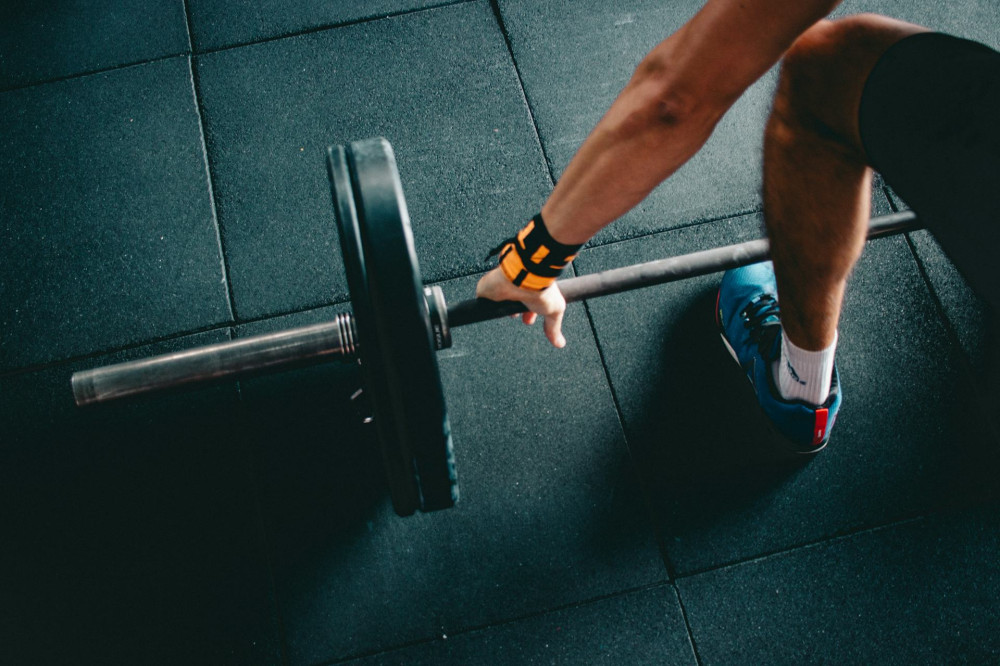
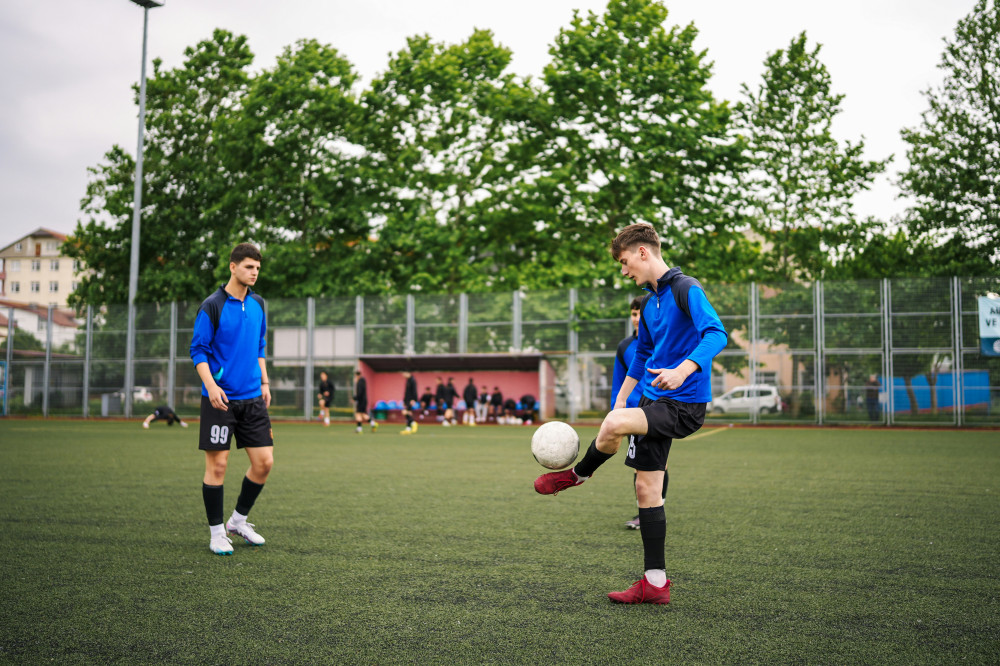
Most elite athletes start their day early. After a light breakfast—often tailored by a nutritionist—they head into their first training session, sometimes before sunrise. Depending on the sport, this could mean strength work in the gym, technical drills, endurance training, or tactical practice. Every minute is planned by coaches and performance specialists to push the body just enough without crossing into overtraining.
After the morning session comes recovery, a crucial part of the daily schedule. Recovery can include ice baths, stretching, massage therapy, or simply rest. It’s during these moments of downtime that the body rebuilds and grows stronger. Many athletes also use this time to refuel with carefully balanced meals designed to restore energy and support muscle repair.
Afternoons often bring another round of training, team meetings, or video analysis. The day usually ends with dinner, followed by time with family, friends, or quiet relaxation—if there’s any energy left.
Læs også:

Recovery: The Hidden Training
Recovery isn’t just about taking a break—it’s an active part of the training process. Sleep is one of the most powerful recovery tools, and many athletes aim for eight to ten hours per night, sometimes adding short naps between sessions.
Nutrition and hydration are equally vital. Every calorie counts, and meal plans are customized to match the athlete’s workload. Too little fuel can lead to fatigue and injury, while too much can affect performance and body composition.
Mental recovery is just as important. Sports psychologists play a growing role in helping athletes manage pressure, expectations, and motivation. Techniques like meditation, visualization, and mindfulness have become standard tools in many professional training environments.
Personal Life Under Pressure
Despite the glamour often associated with elite sports, the reality can be isolating. Constant travel, training camps, and competitions mean long stretches away from home. Maintaining relationships can be difficult when the focus is always on the next game, race, or tournament.
Many athletes describe feeling like they live in a bubble—where everything revolves around performance. To counter this, some pursue education, hobbies, or community involvement outside of sport. These activities provide perspective and help sustain motivation over the long term.
The Mental Strength Behind the Performance
Elite sports are as much a mental challenge as a physical one. The ability to handle setbacks, injuries, and pressure often separates the great from the good. Developing mental resilience takes time and support, and more athletes are now speaking openly about the psychological demands of their careers.
Equally important is learning to disconnect. Having a life outside of sport—whether it’s spending time with loved ones, enjoying music, or simply relaxing—allows the mind to recharge just as the body does. This balance is essential for long-term success and well-being.
Balance as the Key to Lasting Success
Every elite athlete knows that a sports career is short. The goal isn’t just to perform today, but to sustain performance and health over time. Finding the right balance between training, recovery, and personal life is the foundation for both achievement and happiness.
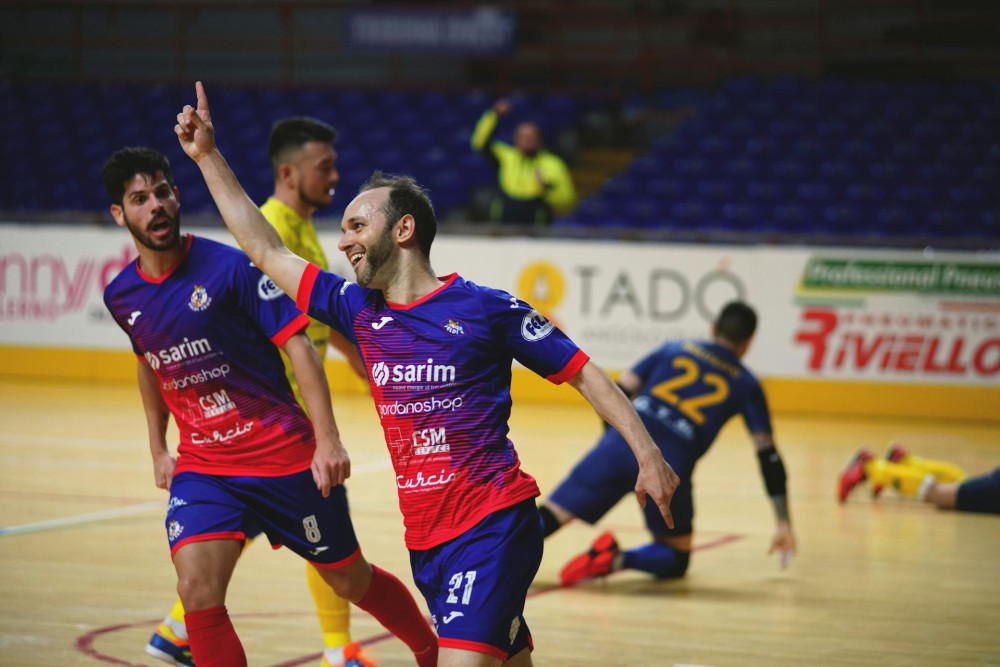
When that balance is achieved, sport becomes more than competition—it becomes a source of joy, growth, and connection. Behind every medal lies not only talent and hard work, but also a deeply human story of discipline, doubt, passion, and perseverance.
Læs også: