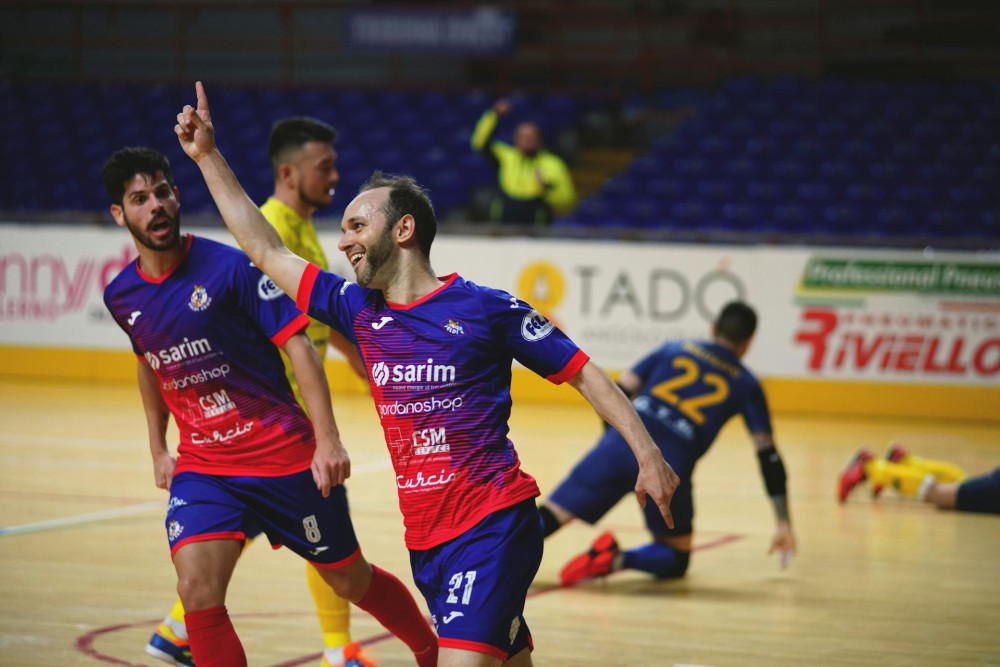
Contribute to Team Spirit – Whether You’re a New or Experienced Player

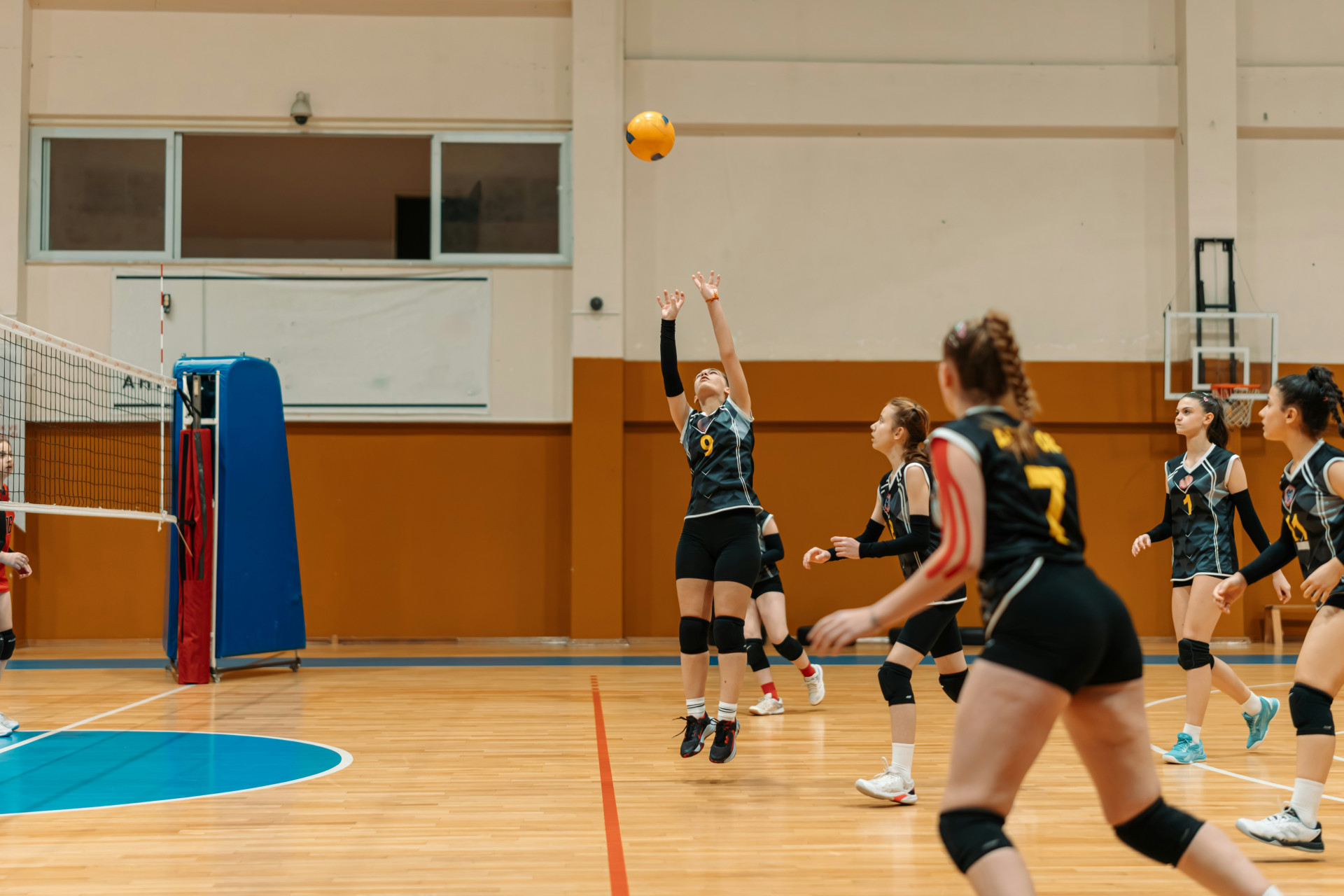
Contribute to Team Spirit – Whether You’re a New or Experienced Player
Whether you’re stepping onto the field for the first time or have been part of a team for years, team spirit is what makes everything click. It can’t be bought or forced—it’s built through trust, respect, and shared commitment. A strong sense of unity doesn’t just make the game more enjoyable; it also improves performance. Here’s how you can help strengthen team spirit, no matter your level of experience.
Understand What Team Spirit Really Means
Team spirit is more than cheering each other on. It’s the shared understanding that everyone is working toward the same goal—and that every contribution matters. It means supporting teammates when things don’t go as planned and celebrating their successes as if they were your own.
A team with strong spirit is marked by open communication, mutual respect, and a culture where mistakes are seen as opportunities to learn. That kind of environment only exists when everyone contributes—on and off the field.
Læs også:

As a New Player: Listen, Learn, and Get Involved
When you’re new, it can be tempting to hang back and observe. But team spirit grows when you show interest and enthusiasm. Here are a few ways to make a positive impact from day one:
- Be curious – Ask about routines, strategies, and team traditions. It shows you want to be part of the group.
- Listen and learn – Experienced players often have valuable insights about both the game and the team culture.
- Participate actively – Show up to practices, games, and team events with energy and a positive attitude.
- Show respect – For coaches, teammates, and opponents alike. Respect builds trust and a sense of safety.
Small gestures—like helping with equipment, joining in warm-ups, or offering encouragement—can go a long way toward building connection.
As an Experienced Player: Lead by Example
Veteran players play a key role in shaping the team’s culture. Your behavior sets the tone for newcomers, and your experience helps create stability and cohesion.
- Be a role model – Stay engaged, even when motivation dips.
- Share your knowledge – Offer tips on technique, strategy, or mindset to help others grow.
- Make space for others – Encourage new players to take initiative and find their place.
- Keep communication positive – Feedback is important, but how you deliver it matters just as much.
When experienced players show humility and teamwork, it inspires everyone around them.
Communication: The Key to Connection
Teams that talk well, play well. Communication—both on the field and in the locker room—keeps everyone aligned. Be open about what’s working and what could improve, but always speak with respect.
Use “we” instead of “I” when discussing performance. It reinforces shared responsibility. And don’t underestimate the power of humor and lighthearted moments—especially after a tough game. A good laugh can bring people closer together.
Building Bonds Beyond the Game
Team spirit doesn’t stop when the whistle blows. The strongest teams are often those that connect outside of competition. Shared activities—like team dinners, volunteer projects, or casual workouts—help strengthen relationships and trust.
When you know your teammates as people, not just players, collaboration becomes easier. It also makes it simpler to handle disagreements when they arise.
When Things Get Tough – Stay United
Every team faces challenges: losses, injuries, or internal conflicts. That’s when true team spirit shows itself. Instead of pointing fingers, ask, “What can we do better together?”
Supporting each other through difficult times builds a foundation that lasts—long after the scoreboard resets. It’s in those moments that you realize the team is more than the sum of its parts.
Team Spirit as a Driving Force
A team with strong spirit can overcome almost anything. It’s not just about winning games—it’s about creating an environment where everyone feels valued, heard, and motivated. When people enjoy being part of the team, they perform better and stay committed.
Whether you’re new or experienced, you have something to contribute to team spirit. It doesn’t take grand gestures or special skills—just the willingness to be part of something bigger than yourself.
Læs også: