The Five Freedoms in Practice: Ethical Horse Welfare in Everyday Life

The Five Freedoms in Practice: Ethical Horse Welfare in Everyday Life
Horse welfare is about more than feeding and exercising your horse – it’s about understanding its needs as a sentient being. The Five Freedoms are an internationally recognized foundation for animal welfare, and they offer a practical guide for anyone who works with or cares for horses. Here’s how you can put them into practice in your barn, pasture, and daily routines.
1. Freedom from Hunger and Thirst
This first freedom means ensuring that your horse always has access to clean water and an appropriate diet. It sounds simple, but it requires attention to detail. Horses are designed to graze and eat small amounts of forage throughout the day, not two large meals like humans.
Provide good-quality hay or pasture access, and make sure water troughs or buckets are clean and filled. In winter, check that water sources don’t freeze; in summer, monitor for dehydration, especially after exercise. A horse that lacks water or forage can quickly develop digestive or metabolic issues.
2. Freedom from Discomfort
Horses should be able to rest, move, and seek shelter without physical discomfort. This means keeping stalls clean, dry, and well-ventilated, and ensuring that pastures have shade or a run-in shed for protection from the elements.
Tack and equipment also play a major role. A poorly fitting saddle or a tight noseband can cause pain and stress. Regularly check your horse’s back, girth area, and muscles, and have tack professionally fitted. Comfort isn’t about luxury—it’s about respect for the horse’s body and well-being.
Læs også:


3. Freedom from Pain, Injury, and Disease
Prevention is key to this freedom. Schedule regular visits from your veterinarian, farrier, and equine dentist to catch problems early. Lameness, wounds, or changes in behavior should never be ignored—horses often hide pain as a survival instinct.
Daily observation is one of the best tools you have. Notice how your horse moves, eats, and interacts. Quick action can make the difference between a minor issue and a serious health problem. Good management and prompt care are the foundation of ethical horse ownership.
4. Freedom to Express Normal Behavior
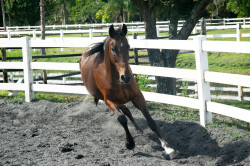
Horses are herd animals, grazers, and movers. They thrive when they can socialize, move freely, and explore their surroundings. A horse confined to a stall for most of the day cannot express its natural behaviors, which can lead to frustration and stress.
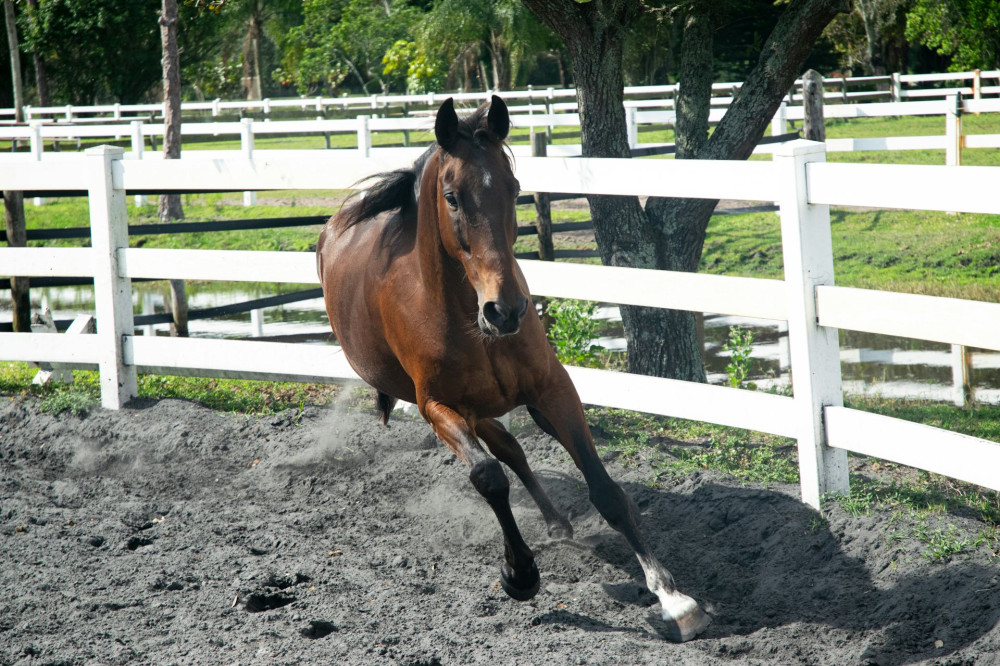
Provide daily turnout with other horses whenever possible. Space to run, roll, and play is essential for both physical and mental health. Even small changes—like allowing horses to see and touch each other over stall walls—can improve their quality of life.
Under saddle, support your horse’s natural movement by varying your training, allowing rest breaks, and avoiding overwork. A horse that feels free and understood is more willing, balanced, and happy to cooperate.
5. Freedom from Fear and Distress
The final freedom is about emotional security. Horses are prey animals, and they react strongly to fear, inconsistency, and rough handling. A calm environment, predictable routines, and patient training build trust and confidence.
Training should be based on understanding and consistency, not punishment. Learn to read your horse’s body language and respect its limits. A horse that feels safe learns faster, performs better, and enjoys its work—whether it’s trail riding, competition, or simply companionship.
Ethical Horse Welfare Is a Shared Responsibility
The Five Freedoms aren’t a checklist to complete once—they’re a living principle that requires reflection and adaptation. Every horse is an individual, and what works for one may not suit another.
By using the Five Freedoms as your compass, you can ensure that your horse doesn’t just survive but truly thrives—physically, mentally, and socially. Ethical horse welfare is ultimately about partnership: creating a life where both horse and human can flourish together.
Læs også: