Dressed for Riding: How to Choose Clothing and Gear with a Focus on Safety and Comfort

Dressed for Riding: How to Choose Clothing and Gear with a Focus on Safety and Comfort
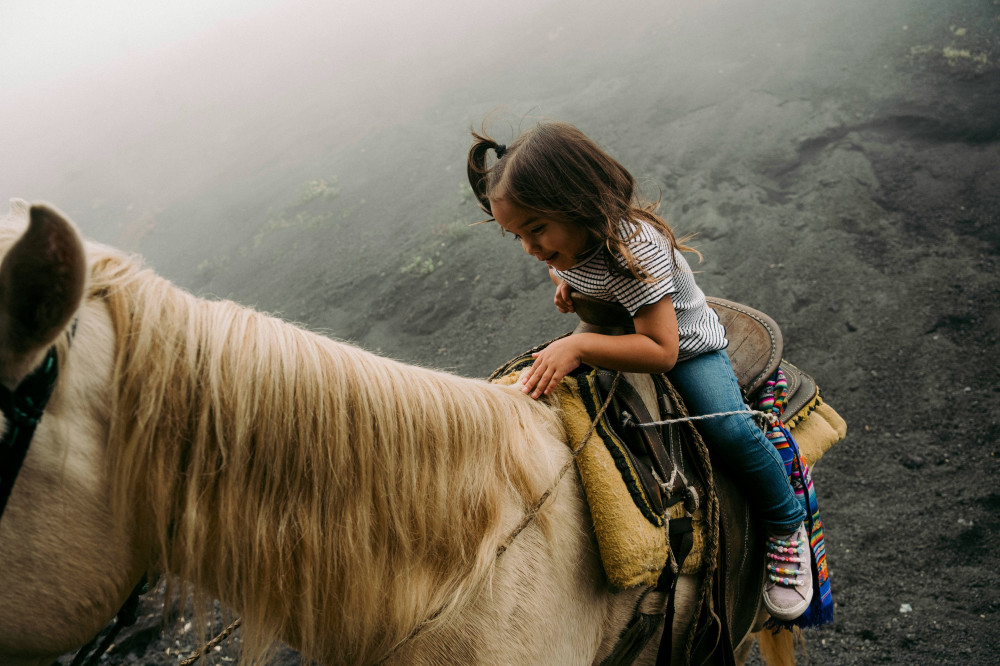
Riding is a sport built on trust and communication between horse and rider—but it also demands the right equipment. It’s not just about looking the part; it’s about staying safe, comfortable, and free to move naturally. Whether you’re a beginner or an experienced equestrian, the right clothing and gear can make a big difference in both your safety and your enjoyment. Here’s a guide to choosing what to wear and use when you ride, with a focus on safety and comfort.
Start with Safety
Safety should always come first. Even the most skilled riders can take a fall, so proper protective gear is essential.
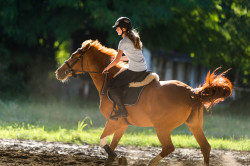
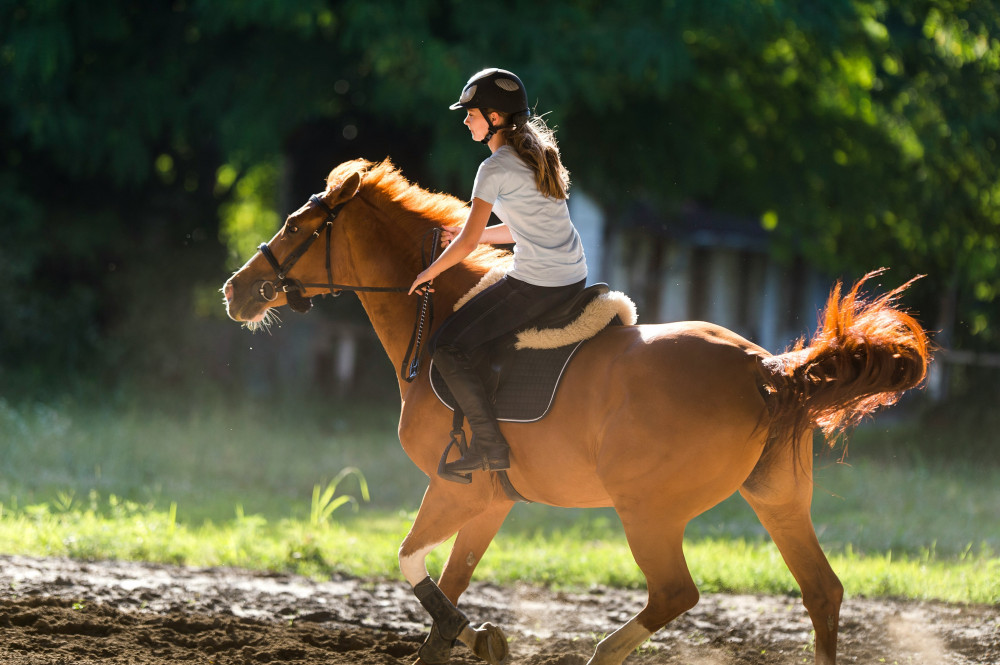
- Helmet – The most important piece of equipment you’ll own. Choose a helmet certified by ASTM/SEI standards, and make sure it fits snugly without pressure points. Always fasten the chin strap securely, and replace your helmet after any fall or impact—even if it looks fine on the outside.
- Body protector or safety vest – Strongly recommended for jumping, eventing, or working with young or unpredictable horses. A vest helps absorb impact and protect your torso. It should fit close to the body but still allow you to move freely.
- Riding boots – Boots with a small heel prevent your foot from slipping through the stirrup. You can choose tall field or dress boots, or short paddock boots paired with half chaps. Look for soles with good traction and ankle support.
Comfort in the Saddle
Once safety is covered, comfort becomes key. Riding involves constant small movements, and clothing that rubs or restricts can quickly ruin the experience.
- Riding pants (breeches or tights) – They should fit close to the body but stretch easily. Reinforced knee or seat patches (grip or leather) help you stay secure in the saddle. Avoid inner leg seams that can cause chafing.
- Tops and outerwear – Choose lightweight, breathable fabrics that move with you. In cooler weather, use a layering system: a moisture-wicking base layer, a warm mid-layer like fleece, and a wind- or waterproof outer shell.
- Gloves – They improve your grip on the reins and protect your hands from blisters and cold. Look for gloves that fit well and allow flexibility.
Gear for the Horse—and for You
Your horse’s equipment affects your comfort and safety too. A poorly fitting saddle can cause pain for both horse and rider.
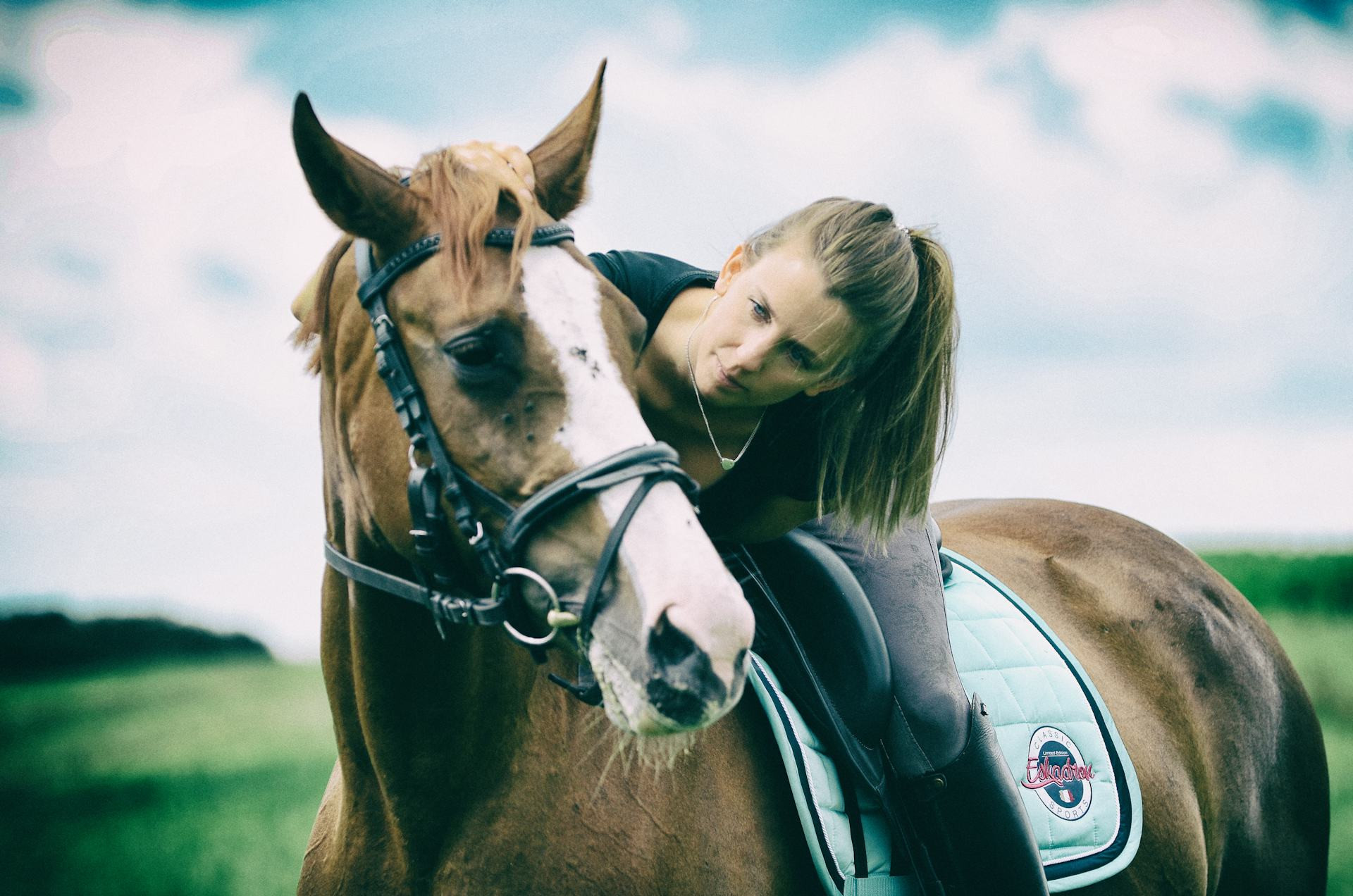
- Saddle and bridle – Make sure the saddle fits both you and your horse. A professional saddle fitter can help adjust it properly. The bridle should sit comfortably on your horse’s head without pinching or rubbing.
- Stirrups and leathers – Check regularly for wear and tear. Consider safety stirrups that release your foot in case of a fall.
- Whips, spurs, and other aids – Use only if you’ve been taught how to handle them correctly. They should enhance communication, not replace good riding technique.
Læs også:


Dress for the Weather
Riding often takes place outdoors, and weather conditions can change quickly. Being prepared helps you stay comfortable and focused.
- Summer – Choose lightweight, breathable fabrics that wick away sweat. A ventilated helmet and UV-protective clothing can help you stay cool and safe from the sun.
- Winter – Go for insulated riding pants, warm socks, and a windproof jacket. Hands and feet get cold quickly, so invest in quality gloves and insulated boots.
- Rainy days – A waterproof riding jacket and overpants can save your ride. Make sure they’re flexible and breathable so you can still move easily.
Care and Maintenance
Good gear lasts longer when you take care of it. Wipe your helmet with a damp cloth and store it in a dry place. Clean and condition leather saddles and bridles regularly to keep them supple. Wash riding clothes according to the care label, and avoid fabric softeners—they can damage technical materials.
The Most Important Thing: Feel Safe and Comfortable
The best riding outfit is the one you hardly notice you’re wearing. When you feel secure and at ease, you move more naturally—and your horse feels it too. Safety and comfort go hand in hand, allowing you to focus on what riding is truly about: connection, joy, and the quiet harmony between horse and rider.
Læs også: