Small Steps to Big Changes: How to Build Healthy Eating Habits That Last


Small Steps to Big Changes: How to Build Healthy Eating Habits That Last
Changing the way you eat can feel overwhelming. But lasting change rarely comes from strict diets or quick fixes—it comes from small, consistent steps that fit into your everyday life. By focusing on realistic habits instead of perfection, you can create a healthier relationship with food that truly lasts. Here’s how to start building those habits, one step at a time.
Start by Understanding Your Current Habits
Before you make any changes, take a closer look at how you eat right now. Many of our food choices happen automatically—we snack when we’re stressed, eat on the go, or skip meals when we’re busy. Try keeping a simple food journal for a week. Write down what you eat, when you eat, and how you feel at the time. You might notice patterns you hadn’t seen before.
Once you understand your habits, it’s easier to see where small adjustments can make a big difference. Maybe you don’t need to eat less, but rather eat more regularly or choose snacks that keep you full longer.
Set Realistic Goals
One of the biggest reasons people give up on healthy eating is that their goals are too ambitious. Instead of swearing off sugar forever, start by cutting back on soda or desserts during the week. Small, specific goals are easier to stick with—and every success builds motivation to keep going.
Here are a few examples of realistic goals:
- Add vegetables to at least two meals a day.
- Drink a glass of water every time you have coffee.
- Plan your dinners for the week on Sunday to avoid last-minute takeout.
When you reach one goal, set a new one. Gradual progress is more sustainable than drastic change.
Make Healthy Choices Easy
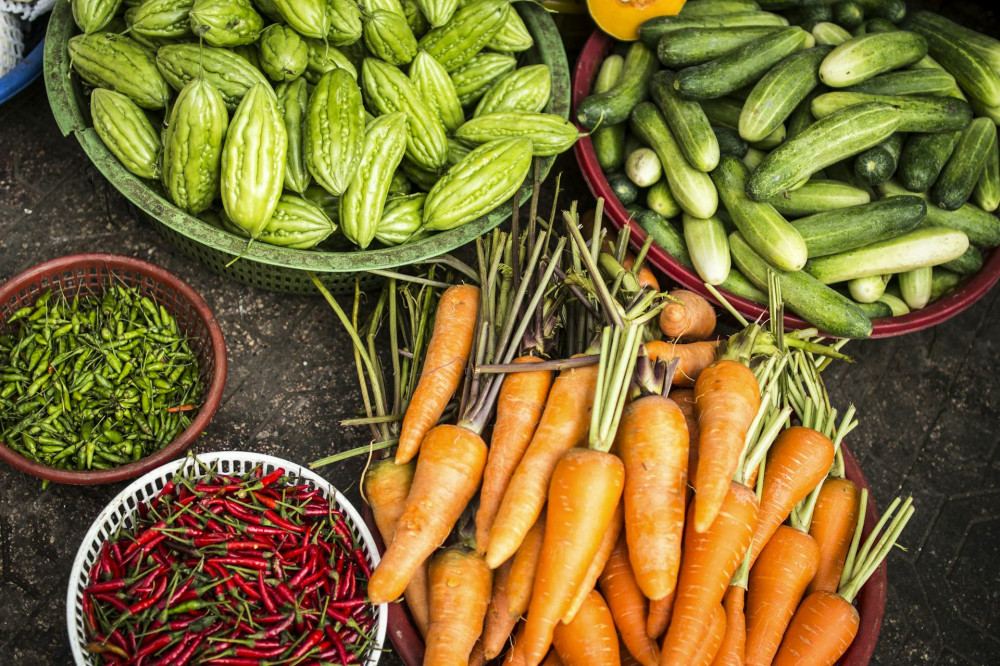
We tend to eat what’s most convenient. So make the healthy choice the easy choice. Keep washed fruit and cut-up veggies in the fridge, stock up on nuts or whole-grain crackers for quick snacks, and avoid keeping too many tempting treats at home.
Structure helps more than strict rules. If you know you get hungry in the afternoon, plan a balanced snack instead of trying to power through. That way, you’re less likely to overeat later.
Listen to Your Body, Not the Rules
There’s no shortage of diet advice out there, but no one knows your body better than you do. Learn to recognize the difference between physical hunger and emotional hunger. Eat when you’re hungry, and stop when you’re satisfied—even if there’s still food on your plate.
If you’ve followed many diets in the past, it can take time to rebuild trust in your body’s signals. But as you practice eating more intuitively, you’ll find it easier to maintain a natural balance without feeling deprived.
Allow Yourself Flexibility
Healthy eating isn’t about being perfect. It’s okay to enjoy birthday cake or order pizza on a Friday night. What matters most is what you do most of the time—not the occasional treat.
When you allow yourself flexibility, you avoid the guilt that often leads to giving up altogether. Food should be a positive part of life, not a source of stress.
Make It Part of Your Lifestyle
For healthy habits to last, they need to fit your real life—your schedule, your budget, and your preferences. If you don’t love salads, find other ways to eat more vegetables, like adding them to soups, stir-fries, or smoothies.
Getting others involved can also help. Cook healthy meals with your family, or share recipes with friends. When you make it a group effort, it becomes more enjoyable and easier to maintain.
Læs også:


Remember That Change Takes Time
Building new habits takes patience. Some days will go smoothly, and others won’t—and that’s okay. What matters is that you keep going. Every time you make a healthier choice, you strengthen your new habits, and over time, they’ll become second nature.
Small steps might not seem like much in the moment, but they add up to big changes. You don’t have to be perfect—you just have to keep moving in the right direction, one meal at a time.
Læs også: