Breathe Better: How to Fix Unhelpful Breathing Habits

Breathe Better: How to Fix Unhelpful Breathing Habits
Most of us rarely think about how we breathe—it just happens automatically. But the way we breathe has a big impact on both our physical and mental well-being. Over time, many people develop unhelpful breathing habits that can lead to tension, fatigue, and stress. The good news is that with a little awareness and a few simple exercises, you can learn to breathe better.
Why Your Breath Matters
Breathing is the body’s most fundamental rhythm. It influences everything from blood pressure and digestion to focus and sleep. When we breathe slowly and deeply, we send a signal to the nervous system that we’re safe, allowing the body to relax. Shallow or irregular breathing, on the other hand, can keep the body in a constant state of alert.
Modern lifestyles don’t make it easy. Hours spent sitting at a desk, chronic stress, and poor posture often cause us to breathe too quickly and too high in the chest. This limits how much oxygen we take in and can leave us feeling tired or tense.
Signs of Unhelpful Breathing
It’s not always easy to notice that your breathing habits are off, but there are some common signs to look for:
- You breathe through your mouth instead of your nose.
- Your shoulders lift when you inhale.
- You often feel tightness in your neck, jaw, or chest.
- You feel restless, tired, or have trouble concentrating.
- You sigh or yawn frequently to “catch your breath.”
If any of these sound familiar, your breathing might need a little attention.
Learn to Use Your Diaphragm
Healthy breathing starts with the diaphragm—the large muscle that separates the chest and abdominal cavities. When you inhale, your belly should gently expand while your chest stays relatively still. This is called diaphragmatic breathing or “belly breathing.”
Try this simple exercise:
- Place one hand on your chest and the other on your belly.
- Inhale slowly through your nose, feeling your belly rise.
- Exhale gently through your nose, letting your belly fall.
- Repeat for a minute or two, keeping your shoulders relaxed.
This helps activate the diaphragm and encourages a calmer, more efficient breathing rhythm.
The Power of Nasal Breathing
Breathing through your nose instead of your mouth has many benefits. The nose warms, humidifies, and filters the air before it reaches your lungs. It also helps your body produce nitric oxide, a molecule that supports blood flow and oxygen absorption.
If you tend to breathe through your mouth—especially while sleeping or exercising—try practicing nasal breathing during the day. Start with short periods where you consciously keep your mouth closed and focus on slow, steady breaths through your nose.
Calm Your Mind with Your Breath
Your breath is one of the most effective tools for managing stress. When you lengthen your exhale, you activate the body’s relaxation response. Try this simple technique whenever you feel tense:
- Inhale through your nose for four seconds.
- Pause briefly.
- Exhale through your nose for six seconds.
- Repeat for a few minutes.
You’ll often notice your heart rate slowing and your mind becoming clearer.
Build Better Habits into Your Day
Changing how you breathe doesn’t require major effort—just awareness. Here are a few ways to support healthier breathing throughout your day:
- Check your posture. Sit and stand tall so your lungs have room to expand.
- Take short breaks. Stand up, stretch, and take a few deep breaths every hour.
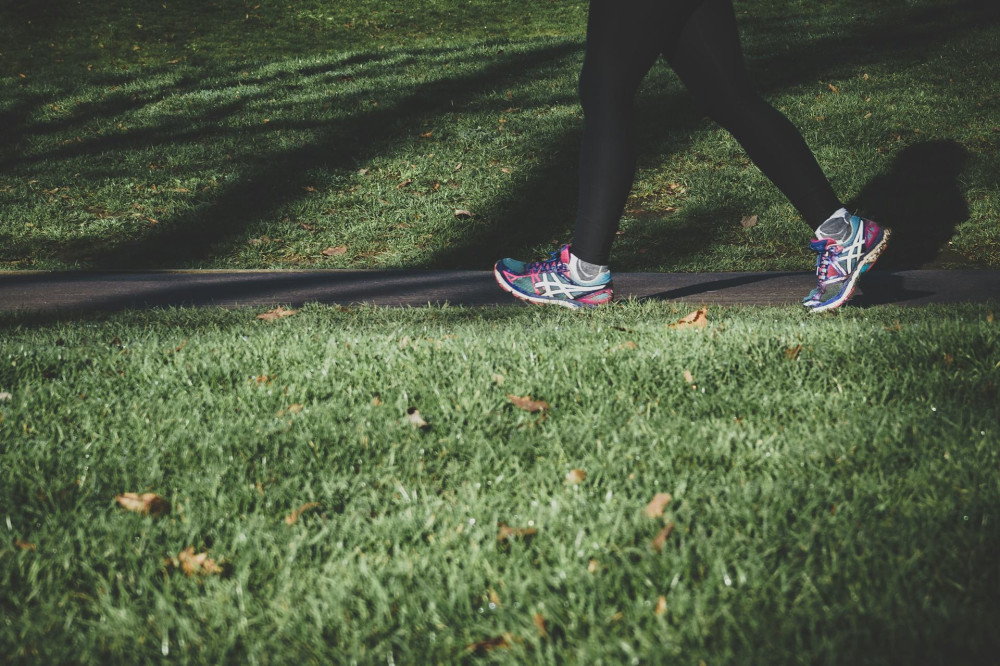
- Move your body. Activities like yoga, swimming, or walking help restore a natural breathing rhythm.
- Sleep smart. Try sleeping on your back or side to keep your airways open.
- Be patient. New habits take time, but even small improvements can make a big difference.
Læs også:



A Breath That Supports You
Breathing better isn’t just about technique—it’s about balance between body and mind. When you learn to use your breath consciously, you gain a tool that can help you manage stress, boost your energy, and bring more calm into your day.
It doesn’t take much—just a moment of awareness at a time. And the best part? You carry the tool with you wherever you go.
Læs også: