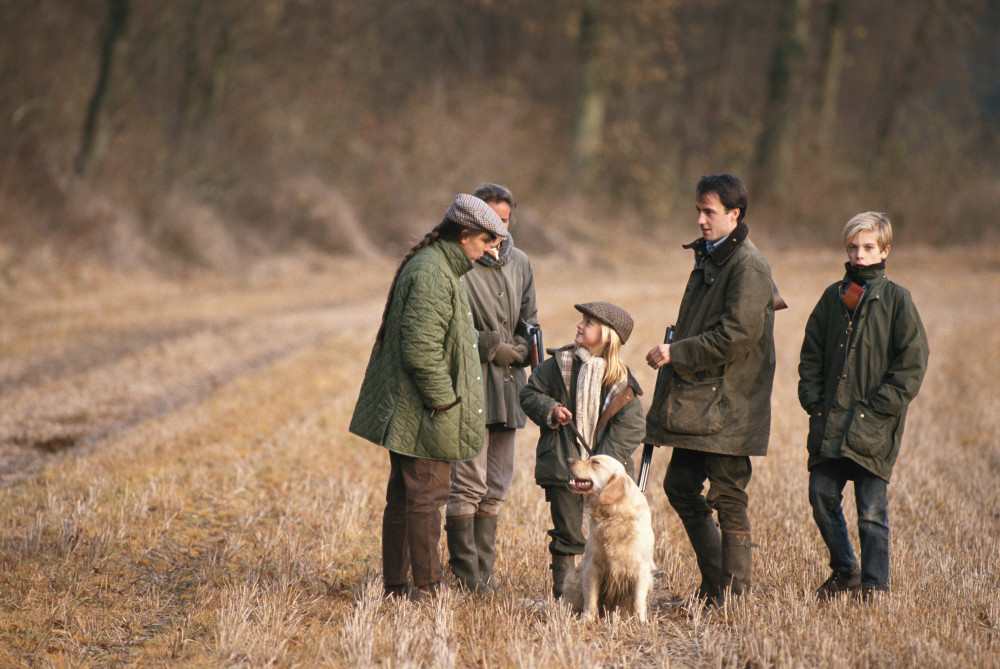
Shooting Practice for Kids – How to Adapt Training so They Feel Motivated and Successful

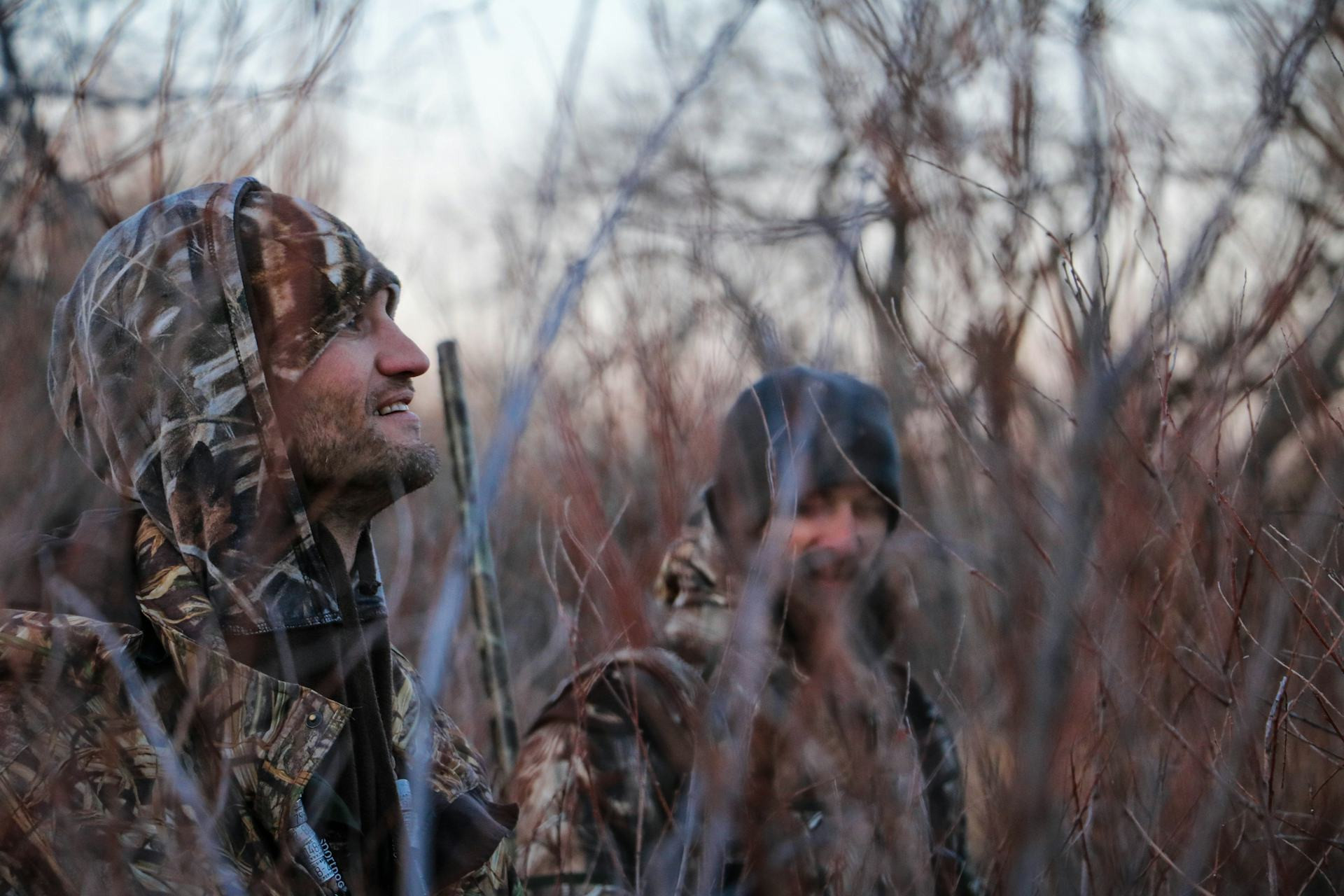
Shooting Practice for Kids – How to Adapt Training so They Feel Motivated and Successful
Introducing children to shooting sports can be a great way to build focus, patience, and responsibility. But for kids to truly enjoy the experience, training needs to be adapted to their age, development, and motivation. Shooting isn’t just about hitting the target—it’s about creating a safe, positive, and encouraging environment where kids can learn and grow. Here’s how parents and coaches can design shooting practice so that young shooters feel both motivated and successful.
Create a Safe and Supportive Environment
Safety is always the top priority in any shooting activity, especially when children are involved. But beyond physical safety, kids also need to feel emotionally secure and supported.
Start by explaining safety rules calmly and clearly. Demonstrate how to handle the firearm properly, and encourage questions. When children understand why the rules exist, they’re more likely to follow them confidently rather than fearfully.
Before any live firing, let kids get comfortable with the equipment. Practicing how to hold, aim, and unload without ammunition helps them feel in control and builds trust in the process.
Adjust Training to Age and Experience
Children develop at different rates, and that’s just as true in shooting as in any other sport. A 9-year-old beginner will need a very different approach than a 14-year-old who’s been practicing for a few years. Tailor the training to match both physical ability and mental readiness.
- Younger kids (8–10 years old): Keep sessions short, light, and fun. Use air rifles or BB guns designed for youth shooters. Focus on basic skills through games and simple challenges where everyone can succeed.
- Preteens (11–13 years old): Introduce more technical elements like breathing, sight alignment, and trigger control, but keep the atmosphere playful and varied. Encourage curiosity and experimentation.
- Teens (14 and up): Give them more responsibility and let them set personal goals. They can start tracking their progress, analyzing results, and even participating in local competitions.
No matter the age, variety is key. Mixing up drills, targets, and challenges keeps kids engaged and prevents training from feeling repetitive.
Keep Motivation High Through Fun and Team Spirit
For most kids, the joy of shooting comes from the experience, not just the score. Incorporate games and group activities that make practice lively and social. Try shooting at colorful targets, balloons, or themed silhouettes. Team challenges—where cooperation matters as much as accuracy—can also build camaraderie.
Positive feedback is essential. Instead of focusing only on points or rankings, praise effort and improvement: “You kept your breathing steady today,” or “You remembered your stance perfectly.” This kind of encouragement builds confidence and a lasting love for the sport.
Læs også:
Set Realistic and Achievable Goals
Children thrive when they can see their own progress. Help them set small, specific goals that can be reached in a few sessions—like grouping shots closer together or maintaining focus through an entire round. When they reach a goal, celebrate it. Recognition doesn’t have to mean prizes; a high-five or a few words of praise can mean just as much.
These small wins teach kids that improvement comes from patience and consistent effort—a lesson that extends far beyond the range.
Involve Parents in the Process
Parents play a big role in shaping how children experience shooting sports. Invite them to observe practices, learn about safety procedures, and understand how they can support their child’s growth. Encourage them to show interest without taking over—kids gain confidence when they feel trusted to take responsibility.
Family days or open range events can also be a great way to build community. When parents get to try shooting themselves, they often gain a deeper appreciation for the discipline and focus the sport requires.
Focus on the Whole Child
Shooting can teach valuable life skills—concentration, calmness, respect for rules, and the ability to perform under pressure. But to nurture these qualities, training must always consider the child’s overall well-being.
Pay attention to how each child responds during practice. Some may get frustrated if they miss, while others lose focus if things move too slowly. A good coach adjusts the pace and approach so that every child feels seen, supported, and capable.
A Sport for Everyone
One of the great things about shooting sports is that they’re inclusive. Success doesn’t depend on size or strength—it’s about focus, technique, and mindset. That means kids of all backgrounds and abilities can participate on equal footing.
When children realize they can master something that requires patience and precision, their confidence grows. And when they do it in a community that values both fun and discipline, they gain experiences and friendships that can last a lifetime.
Læs også: