Field Shooting from Start to Finish: How a Competition Works

Field Shooting from Start to Finish: How a Competition Works
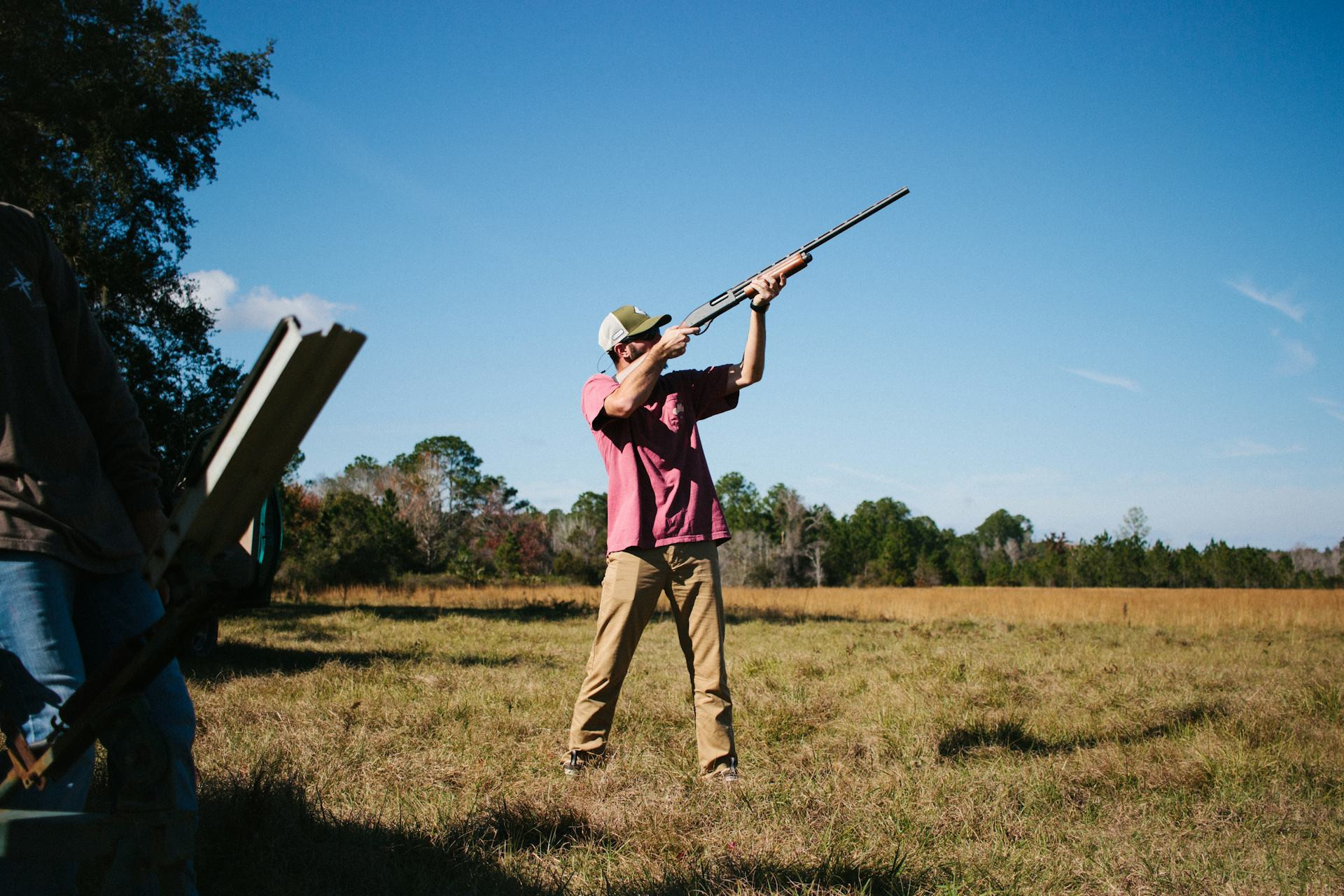
Field shooting is one of the most dynamic and challenging disciplines in the shooting sports. It’s not just about precision—it’s about adapting to changing conditions, distances, and terrain. For many shooters, field shooting combines competition, outdoor adventure, and camaraderie. But how exactly does a field shooting match unfold from start to finish? Here’s a look at the full experience.
What Is Field Shooting?
Unlike traditional range shooting, field shooting takes place outdoors—often across rolling hills, open fields, or wooded areas. Instead of fixed distances and stationary targets, shooters face a variety of target types, unknown ranges, and shooting positions. Every match is unique, requiring quick judgment of distance, wind, and light.
In the United States, field shooting is practiced in several forms, including practical rifle, PRS (Precision Rifle Series), and field pistol matches. Events are typically organized by local shooting clubs or national organizations such as the National Rifle Association (NRA) or the Precision Rifle Series (PRS). Whether you’re a beginner or a seasoned marksman, there’s a place for everyone.
Preparation – Gear and Zeroing
Before the competition begins, shooters spend time preparing their gear. Rifles or pistols must be properly zeroed so the shooter knows exactly where the bullets will impact at different distances. Many also test their ammunition to ensure consistent performance.
Essential gear includes:
- Firearm and ammunition – suited to the division or class you’re competing in.
- Optics or rangefinder – to identify targets and estimate distances.
- Eye and ear protection – for safety and comfort.
- Appropriate clothing – durable, weather-appropriate gear for outdoor conditions.
Preparation isn’t just about equipment—it’s also about safety and understanding the rules. All firearms are inspected before the match, and safety briefings are mandatory. Every shooter is responsible for maintaining safe gun handling at all times.
The Start of the Competition
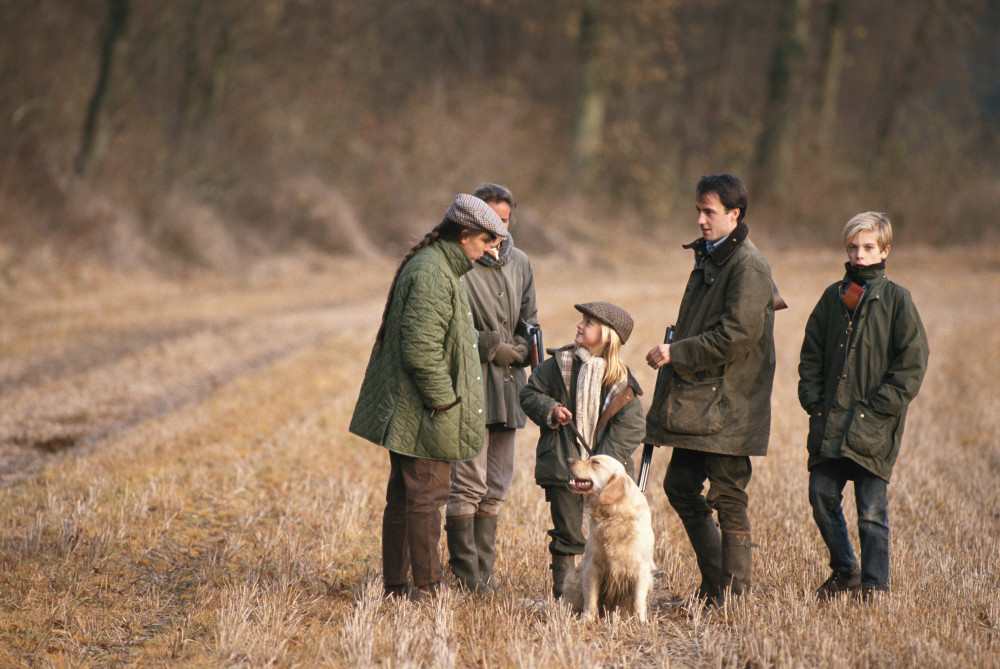
A typical field shooting day begins with check-in and a safety briefing. Competitors receive information about the course layout, number of stages, and any special conditions. Shooters are grouped into squads, which rotate through the various shooting stations throughout the day.
Each squad has a range officer or stage officer who ensures that safety rules are followed and that the stage runs smoothly. Once everyone is ready, the squads head out into the field—usually on foot—carrying their gear and ammunition.
On the Course – Shooting in the Field
A field shooting course consists of several stages or stations, each presenting a different challenge. Targets may vary in:
- Size and shape
- Distance—from a few yards to several hundred
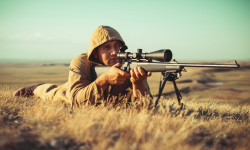
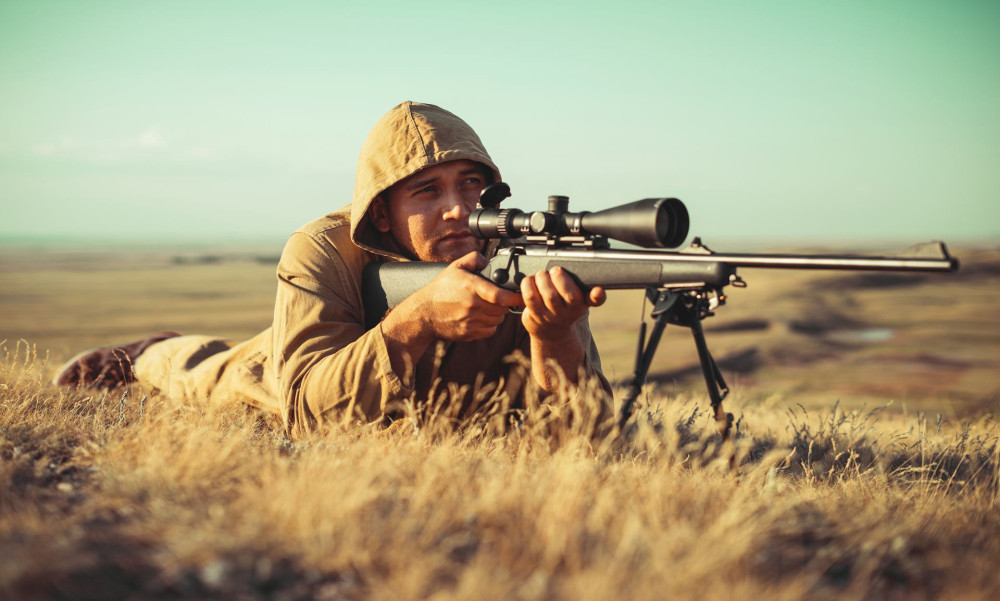
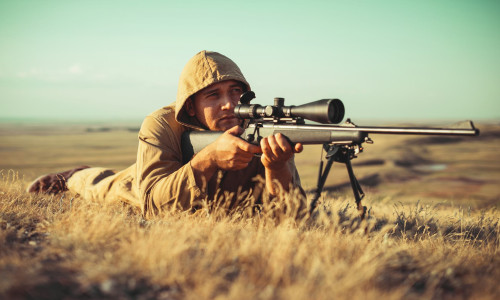
- Shooting position—standing, kneeling, prone, or improvised
At each stage, shooters receive a short briefing: how many rounds to fire, what position to use, and how much time they have. When the timer starts, it’s all about finding the target, estimating the range, adjusting for wind, and making accurate shots—often under time pressure.
Field shooting demands calm focus, quick thinking, and adaptability. Wind, light, and terrain can change from one stage to the next, and that’s part of what makes the sport so engaging.
Læs også:
Scoring and Judging
After each stage, scores are recorded. Some matches count simple hits, while others use a point system based on accuracy. Targets may have scoring rings, with the center worth the most points, or they may be steel targets that fall or ring when hit.
Range officers ensure that all scoring is fair and that safety is maintained throughout the event. Once all squads have completed the course, results are tallied and winners are announced.
Community and Sportsmanship
Although field shooting is an individual sport, the sense of community is a big part of the experience. Many matches end with a group meal, awards ceremony, and plenty of conversation about the day’s challenges. Shooters share tips, stories, and encouragement—newcomers are always welcomed.
Sportsmanship is central to the culture: competitors respect one another, follow safety rules, and celebrate good performance, whether it’s their own or someone else’s.
A Sport for All Skill Levels
Field shooting can be enjoyed at many levels—from local club matches to national championships. Beginners are encouraged to start with a local club, where they can receive instruction and often borrow equipment. Many clubs host introductory days for those curious about the sport.
It doesn’t require great physical strength, but it does demand concentration, patience, and a willingness to learn. For many, it quickly becomes a passion that blends technical skill, outdoor adventure, and precision.
From First Shot to Final Target
A field shooting competition is more than just a series of shots—it’s a complete experience. From preparing your gear at home, to the excitement of the course, to the camaraderie after the final stage, every match offers something new.
Each event is different, but the feeling of focus, challenge, and satisfaction is always the same. For those who try field shooting once, it’s rarely the last time. It’s a sport that unites precision, nature, and friendship—an experience that stays with you long after the last shot is fired.
Læs også: