Safe Technique on Icy Slopes: How to Maintain Grip and Control

Safe Technique on Icy Slopes: How to Maintain Grip and Control
When the slopes turn slick and shiny, even experienced skiers can find themselves challenged. Icy conditions demand precision, confidence, and the right equipment. With proper technique, you can stay in control, maintain grip, and enjoy your day on the mountain safely. Here’s how to handle icy slopes with skill and confidence.
Understanding the Challenge of Ice
Icy slopes often form after a thaw followed by a freeze, or when heavy skier traffic compresses the snow into a hard surface. The result is a slick, unforgiving layer where small mistakes in balance or edge control can quickly lead to a slide. The key is to accept that skiing on ice is different from skiing on soft snow—it requires calm, balance, and deliberate movements.
Instead of fighting the surface, learn to work with it. Smooth, controlled motions and trust in your edges are essential.
Sharp Edges Are Essential
No matter how good your technique is, dull edges will betray you on ice. Sharp ski edges are your best defense against losing grip. Make sure your skis are tuned regularly—more often if you ski frequently on hard-packed or icy terrain.
A quick test: run your fingernail lightly along the edge. If it feels smooth or rounded, it’s time for a tune-up. Most ski shops in U.S. resorts offer overnight or same-day edge sharpening, so you can get back on the slopes with confidence.
Use the Edge, Not the Base
On ice, your control comes from the edge of your ski, not the flat base. When you tilt your skis onto their edges, the steel bites into the surface and gives you traction. This requires trust in your technique and a steady, progressive approach to each turn.
- Start turns smoothly and build pressure gradually.
- Keep your weight forward, pressing evenly through your boots.
- Avoid sudden movements that can cause your edges to slip.
A consistent rhythm and controlled pressure will help your skis hold better and keep you stable through each turn.
Adjust Your Body Position
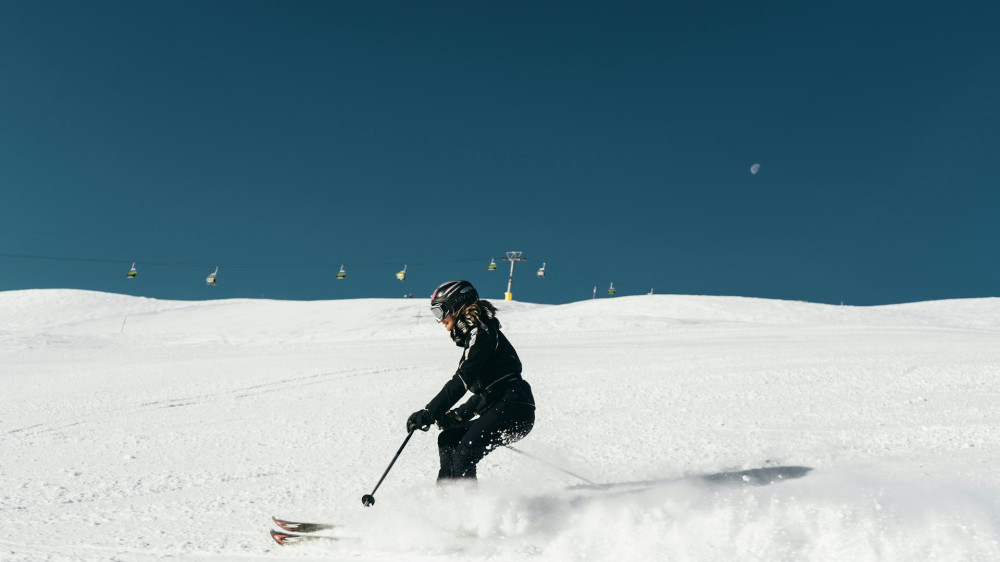
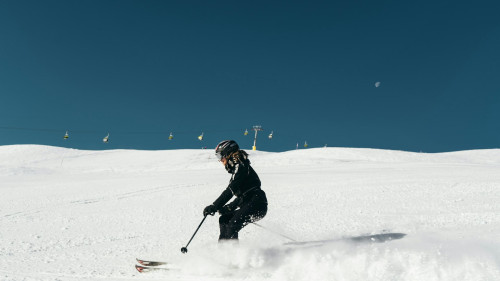
Balance is everything on icy slopes. Keep your knees slightly bent, hips centered over your feet, and eyes looking ahead. This stance allows you to react quickly if your skis start to slide.
Stay relaxed in your upper body—many skiers lose grip because they lean too far back. If you feel your skis slipping, shift your weight slightly forward rather than tensing up. Staying centered and calm helps your edges re-engage with the snow.
Læs også:
Choose the Right Line
When the slope is icy, line choice matters. Avoid the shiny, polished sections where most skiers have passed. Often, you’ll find patches of softer snow along the edges of the trail that offer better grip.
Plan your turns to use the terrain to your advantage. A smooth rhythm and thoughtful line make it easier to stay in control and reduce the risk of losing balance.
Use Speed to Your Advantage
It might seem safer to slow down on ice, but going too slowly can actually make it harder to maintain control. Without enough pressure on your skis, your edges can’t bite into the surface. Find a moderate speed that allows you to stay comfortable while keeping enough momentum to engage your edges effectively.
If you start feeling uneasy, take a break or move to a gentler slope to practice. Staying relaxed and confident is more important than pushing your limits.
Safety First—Always
Icy conditions increase the risk of falls, so stay alert and give others plenty of space. Avoid stopping in the middle of a trail, and always wear a helmet. Make sure your bindings are properly adjusted—they should release if you take a fall.
If you’re unsure about your technique, consider taking a lesson from a certified instructor. Even a short session can dramatically improve your control and confidence on hard snow.
Practice and Learn to Read the Surface
Like any skill, skiing on ice improves with experience. The more time you spend on different snow conditions, the better you’ll become at reading the surface and adjusting your technique. Pay attention to how your skis respond to soft snow, packed powder, and ice—you’ll soon learn to anticipate how each feels underfoot.
With practice, you’ll discover that ice doesn’t have to be intimidating. With sharp edges, solid technique, and a calm mindset, you can turn even the iciest slope into a smooth, controlled ride.
Læs også: