Find Your Skiing Rhythm: How to Use Your Poles Properly

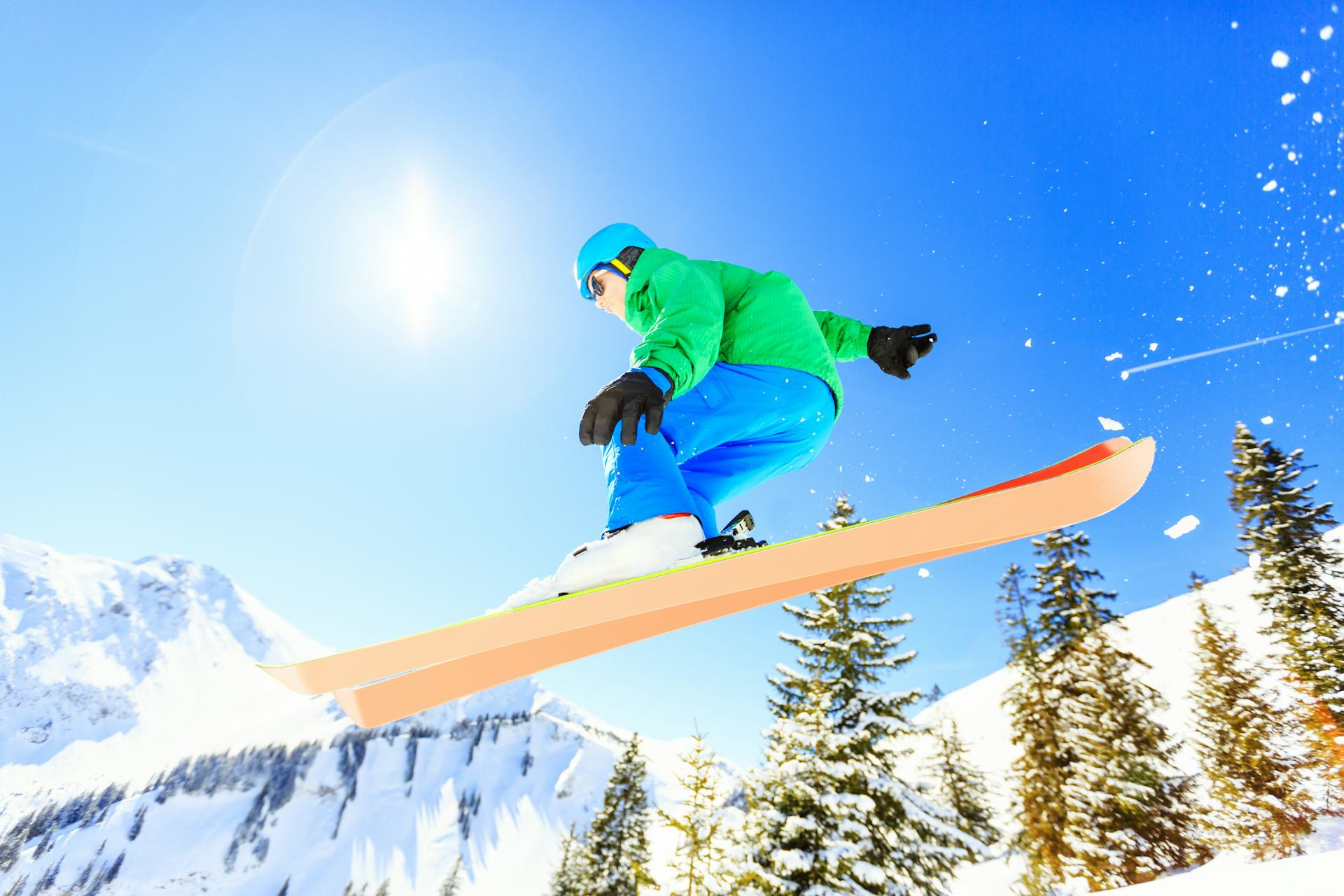
Find Your Skiing Rhythm: How to Use Your Poles Properly
When you watch experienced skiers carve their way down a mountain, their movements seem effortless and rhythmic. Much of that flow comes from proper pole use. Ski poles aren’t just for pushing yourself along the flats—they’re essential tools for rhythm, balance, and timing in every turn. Here’s how to use them correctly, whether you’re skiing the Rockies, the Sierra Nevada, or your local resort in Vermont.
Why Poles Matter More Than You Think
Many beginners focus almost entirely on their legs when learning to ski. But your poles play a key role in connecting your upper body to your lower body’s movements. They help you maintain balance, control your speed, and find a natural rhythm as you turn.
When you use your poles correctly, your turns become smoother and more consistent. You’ll find it easier to link one turn to the next, saving energy and making your skiing feel more fluid and enjoyable.
Getting the Right Pole Length
Before you even start working on technique, make sure your poles are the right length. A good rule of thumb: when you stand in your ski boots and hold the pole vertically with the grip down and the tip on the ground, your elbow should form about a 90-degree angle.
If your poles are too long, you’ll struggle to plant them at the right moment. Too short, and you’ll lose rhythm and support. Most ski shops can help you find the right size, and many modern poles are adjustable—handy if you switch between groomed runs and backcountry terrain.
The Pole Plant – A Small Move with Big Impact
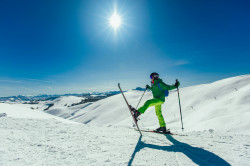
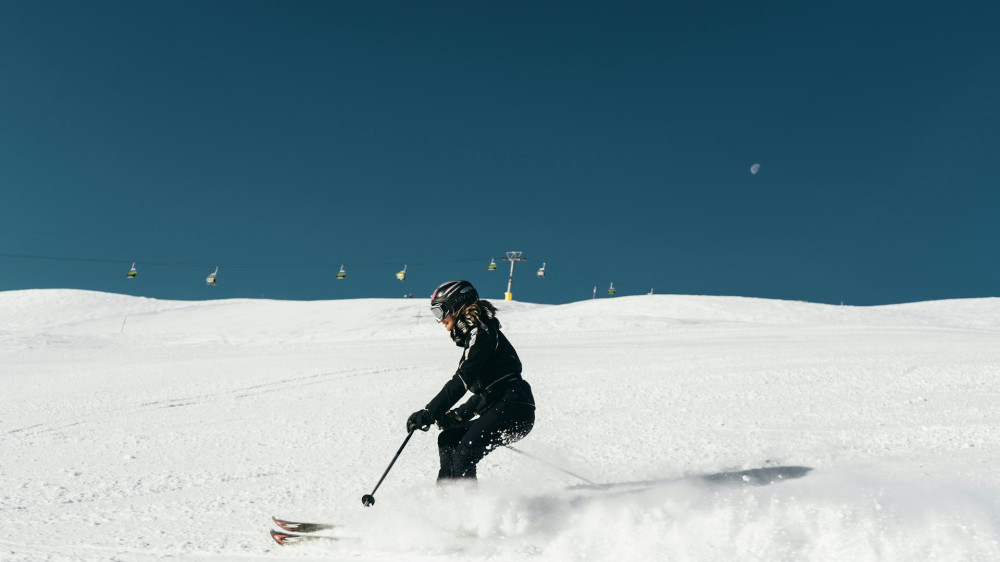
The pole plant is one of the most important elements of skiing rhythm. It’s not about stabbing the snow hard—it’s about making a light, precise touch that signals the start of a new turn.
- Timing: Plant your pole just before you begin to turn. This helps shift your weight and prepare your body for the next move.
- Placement: The pole should touch the snow slightly ahead and to the side of your boot—not too far forward.
- Movement: Use your wrist and forearm, not your whole arm. The motion should feel natural and rhythmic, not forced.
When you get the timing right, your turns will flow together more smoothly, and you’ll feel a natural sense of balance and tempo.
Keep Your Upper Body Steady
A stable upper body is key to good pole technique. Many skiers make the mistake of turning their entire torso with each turn, which breaks rhythm and control. Instead, keep your upper body facing slightly downhill while your legs do the work beneath you.
Your poles help anchor this position. Each plant acts as a reference point, keeping your upper body calm and steady while your legs steer. The result is better control, smoother transitions, and a more confident style.
Drills to Improve Your Pole Work
Like any skill in skiing, good pole technique takes practice. Try these simple drills next time you’re on the slopes:
- Rhythm Drill: Make short, controlled turns and focus on planting your poles in a steady rhythm. Count out loud if it helps you find a consistent beat.
- One-Pole Drill: Ski with only one pole, switching sides after a few turns. This builds balance and timing.
- No-Pole Runs: Take a few runs without poles to feel how much they contribute to your rhythm and stability when you use them again.
These exercises help you develop body awareness and make pole use feel more natural and automatic.
Læs også:
Different Styles, Different Techniques
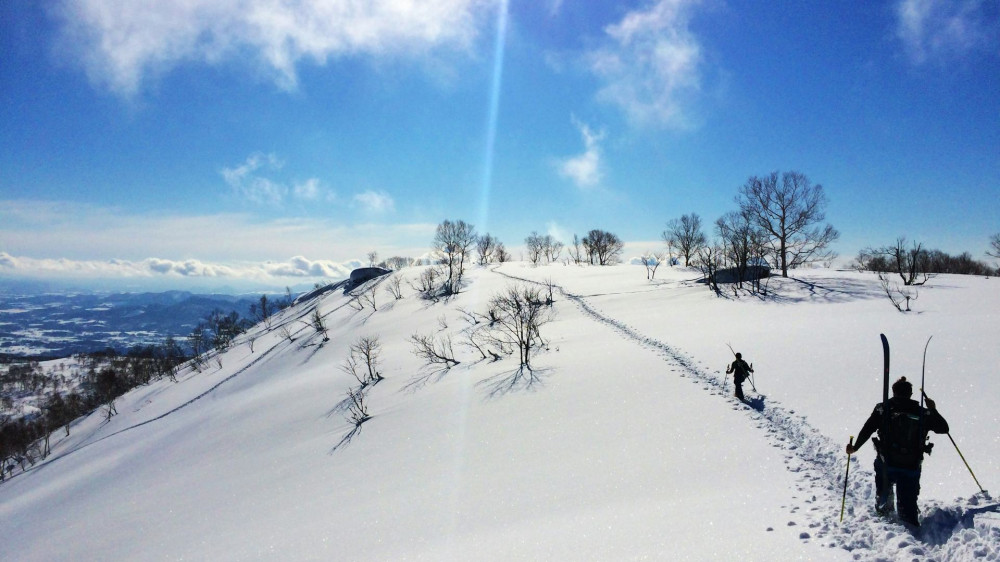
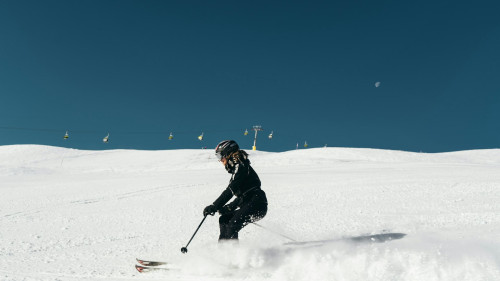
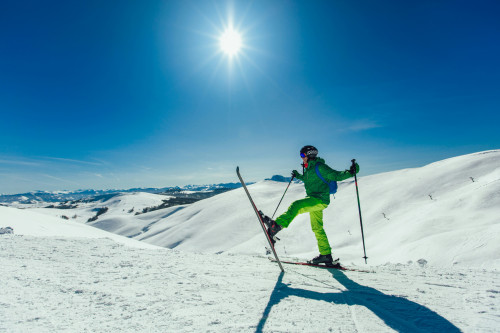
Pole use varies depending on the type of skiing you’re doing. In alpine skiing, poles help with rhythm and balance through turns. In cross-country skiing, they’re used for propulsion and coordination. In powder or backcountry skiing, poles are more about balance and managing speed in deep snow.
Whatever your style, the principle is the same: your poles should work with your body, not against it.
Find Your Own Rhythm
There’s no single “perfect” way to use your poles. The key is to find a rhythm that matches your style and pace. Once you feel how your poles help you flow from turn to turn, skiing becomes smoother, easier, and more enjoyable.
So next time you’re standing at the top of a run, don’t just think about your legs—think about your rhythm. A well-timed pole plant can turn a stiff descent into a graceful dance down the mountain.
Læs også: