Racquet Head Shape: How Size and Shape Affect Your Game

Racquet Head Shape: How Size and Shape Affect Your Game
When you step onto the court with a racquet in hand, it’s easy to focus on the strings, grip, or weight. But one of the most important factors in your performance lies in the head shape — the size and design of the racquet’s frame. The head shape influences everything from power and control to sweet spot and maneuverability. Whether you play tennis, badminton, or pickleball, understanding how head size and shape affect your game can help you choose the right equipment and elevate your performance.
Head Size: Finding the Balance Between Power and Control
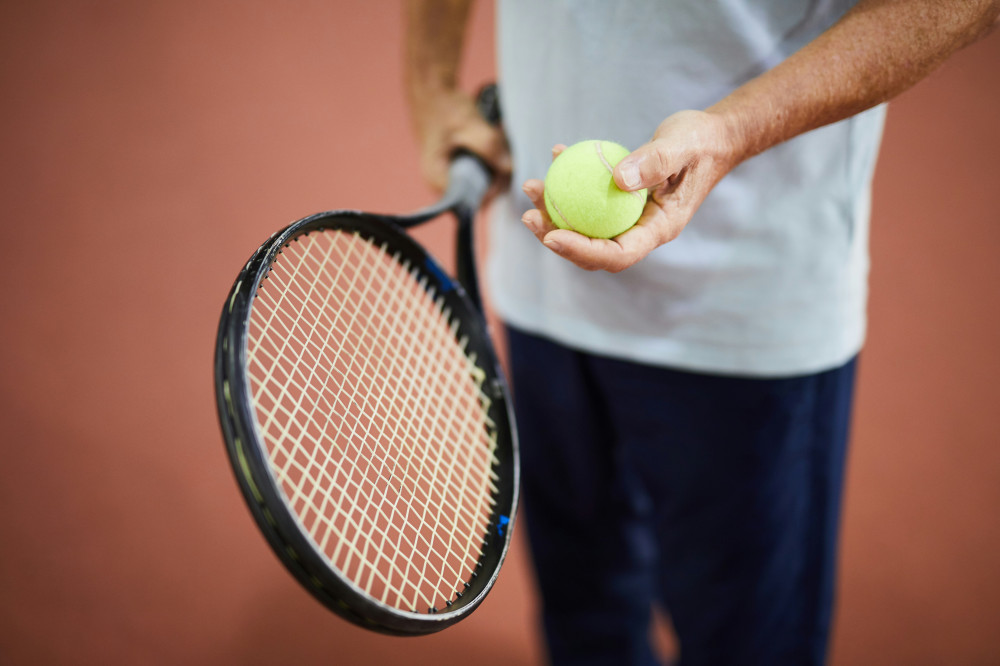
Racquet head size is typically measured in square inches. In general, a larger head provides more power, while a smaller head offers greater control.
- Oversize head – Delivers a larger sweet spot, making it easier to hit clean shots. Ideal for beginners or players who want extra help generating power.
- Midplus head – Offers a balanced mix of power and precision. Many recreational and club players prefer this size because it’s forgiving yet responsive.
- Mid head – Favored by advanced players who value precision and control over raw power. It demands more consistent technique but rewards you with pinpoint accuracy.
The same principle applies across racquet sports: a larger head gives you more power and a bigger sweet spot, while a smaller head enhances control and quick reactions near the net.
Læs også:
Head Shape: Oval, Teardrop, or Round?
Beyond size, the actual shape of the racquet head plays a key role in how it performs. Different sports and playing styles benefit from different shapes.
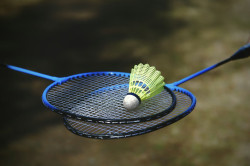
- Oval shape – The classic, all-around design. It provides a balanced distribution of power and control and is common in both tennis and badminton racquets.
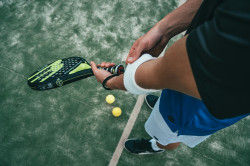
- Teardrop shape – Often seen in pickleball paddles and some badminton racquets. This shape shifts the sweet spot slightly higher, adding extra power to attacking shots.
- Round shape – Centers the sweet spot and enhances stability. Popular among control-oriented players, especially in pickleball, who rely on precision and consistency.
Your ideal shape depends on how you play. Aggressive players who like to dictate points with powerful strokes often prefer teardrop or larger heads, while defensive or tactical players who rely on precision and quick reactions may favor round or smaller heads.
The Sweet Spot: Your Racquet’s Power Zone
The sweet spot is the area on the strings where the ball feels best — where you get maximum energy transfer and minimal vibration. A larger head means a larger sweet spot, making it easier to hit cleanly. However, that also means slightly less feedback and touch.
Experienced players often prefer a smaller sweet spot because it provides more direct feedback and control. For beginners and casual players, a larger sweet spot can make the game more forgiving and enjoyable.
Weight Distribution and Head Balance
Head shape is closely tied to how the racquet’s weight is distributed. A head-heavy racquet (more weight in the head) generates more power but can feel heavier to maneuver. A head-light racquet (more weight toward the handle) allows quicker reactions and better control but requires more effort to produce power.
The combination of head shape and balance is crucial. A round, head-light racquet suits players who thrive on quick exchanges at the net, while a teardrop, head-heavy model benefits those who like to dominate from the baseline.
Choosing the Right Head Shape for You
When selecting a racquet, start with your skill level and playing style:
- Beginner: Choose a racquet with a large, oval head and a generous sweet spot. It makes hitting easier and adds power to your shots.
- Intermediate player: Go for a midplus size with a balanced shape. It offers both control and room to develop your technique.
- Advanced player: Opt for a smaller or round head for maximum precision and feel.
If possible, test different models before making a decision. Many sporting goods stores and clubs in the U.S. offer demo racquets, so you can experience how each head shape feels in real play.
Head Shape as Part of Your Playing Identity
Your racquet’s head shape isn’t just a technical detail — it’s an extension of your playing style. It affects how you move, how you strike the ball, and how you respond under pressure. A racquet that matches your style can boost both your confidence and consistency on the court.
So next time you’re shopping for a new racquet, don’t just look at the brand or color. Pay attention to the head shape — it might be the key to unlocking your best game yet.
Læs også: