Partner Training: Improve Technique and Teamwork with Your Workout Buddy

Partner Training: Improve Technique and Teamwork with Your Workout Buddy
Working out with a partner can be the key to better technique, stronger motivation, and more enjoyment in your fitness routine. Whether you’re into tennis, pickleball, basketball, or strength training, partner workouts can help you progress faster—and have more fun doing it. Here’s how you and your workout buddy can get the most out of training together.
Why Partner Training Works
Partner training isn’t just about having company at the gym. It’s a structured way to improve both your skills and your consistency. When you train with a regular partner, you get real-time feedback and accountability. You can push each other to refine your form, stay focused, and reach your goals.
There’s also a social benefit. It’s harder to skip a workout when someone’s counting on you. Plus, celebrating progress together and keeping each other motivated can make even tough sessions more enjoyable.
Plan Your Workouts Together
A great partner workout starts with a plan. Decide in advance what you want to focus on—whether it’s improving your serve, building endurance, or perfecting your squat form. Having a clear goal makes your sessions more productive.
Try creating a multi-week plan where you rotate focus areas. This ensures you both work on different aspects of your performance and stay challenged. You can even record short clips of your workouts to analyze your technique later—video feedback often reveals details you might not notice in the moment.
Exercises That Build Teamwork
Partner training isn’t just about individual performance—it’s about learning to move and think as a team. Here are a few exercises that can strengthen your coordination and communication:
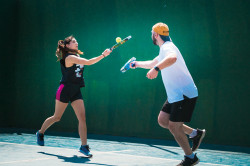
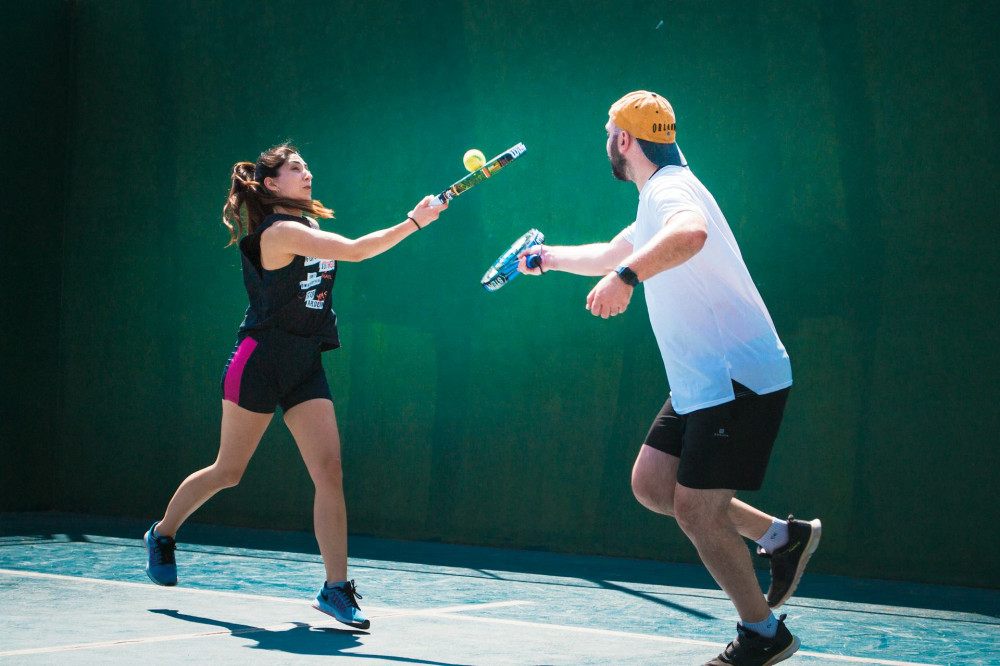
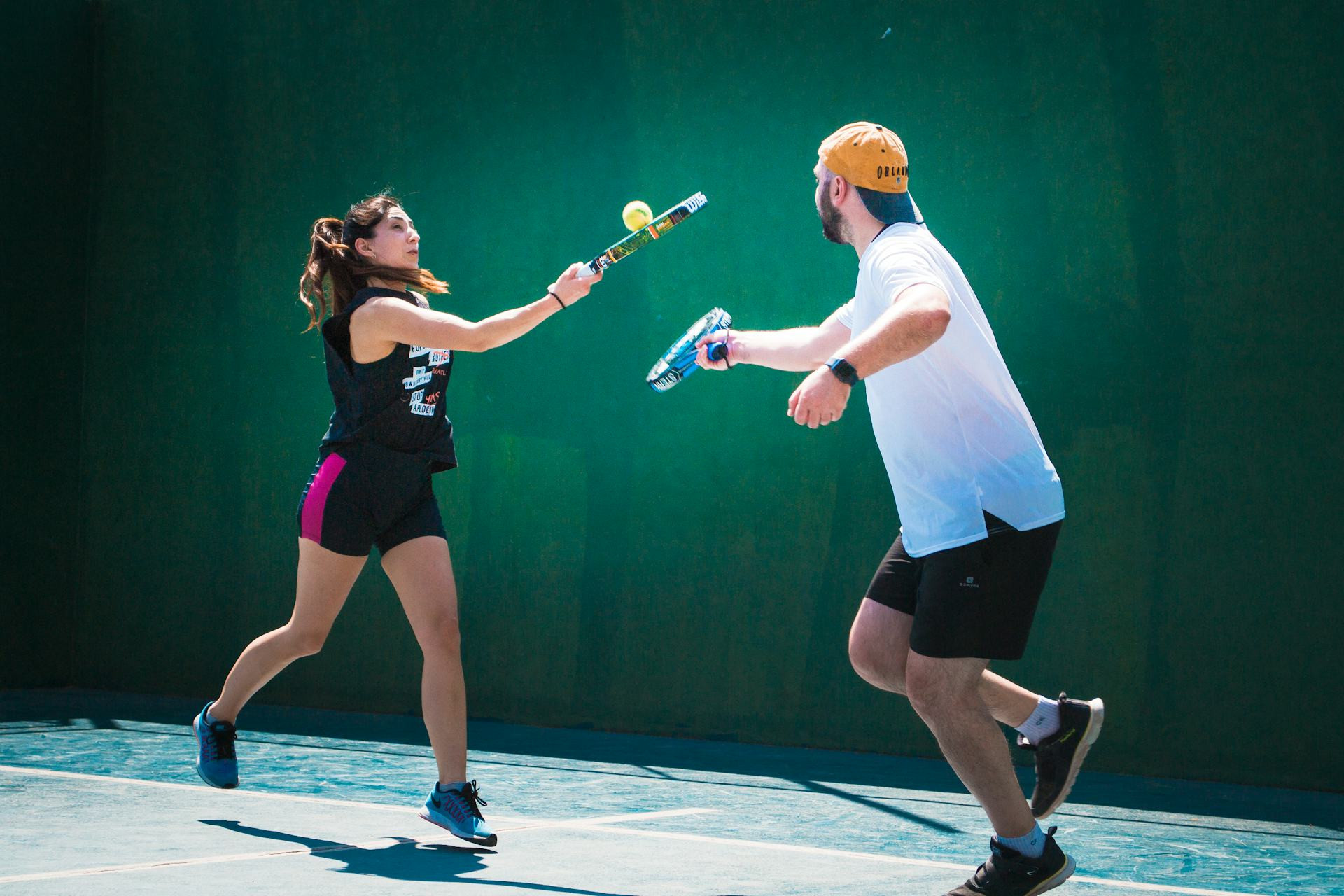
- Communication drills: During doubles games or partner circuits, call out cues like “mine,” “yours,” or “switch.” This builds trust and timing.
- Positioning practice: Work on covering space together—whether that’s on a court or in a gym circuit. Decide who takes which area and how you’ll move in sync.
- Rhythm drills: Focus on maintaining a steady pace rather than maximum power. This helps you find a shared rhythm and understand each other’s style.
- Pressure and defense drills: Alternate between attacking and defending as a pair. This develops quick reactions and mutual support under pressure.
These exercises can be adapted for any fitness level and sport, helping you both grow technically and mentally as a team.
Læs også:
Keep It Varied and Fun
Even the most dedicated athletes can lose motivation if every session feels the same. Mix things up: play mini-matches, set friendly challenges, or try new formats like “king of the court” or partner relay circuits.
Variety keeps your energy high and your mind engaged. You can also switch roles—let one person lead the workout one week and the other take charge the next. This keeps things fresh and gives both of you a sense of ownership in your training.
Learn to Give and Receive Feedback
Constructive feedback is a cornerstone of effective partner training. It requires trust and respect. Start by highlighting what’s working before mentioning what could improve. Be specific—say “your foot placement was a bit off on that lunge” instead of “your form is bad.”
Also, listen to your partner’s perspective. Sometimes what feels right or wrong can differ from what it looks like. Open, honest communication helps you both grow—not just physically, but mentally as well.
From Practice to Performance
The skills you build in partner training translate directly to real performance—whether that’s a match, a race, or a fitness challenge. When you understand each other’s strengths, weaknesses, and signals, you can react faster and perform more intuitively.
Use your training time to develop shared strategies: how to handle pressure, how to recover after mistakes, and how to stay focused when things get tough. Often, it’s teamwork—not just technique—that determines who comes out on top.
A Partnership Beyond the Gym
In the end, partner training is about more than fitness. It’s about communication, trust, and mutual support—qualities that extend far beyond the court or gym. When you learn to challenge, encourage, and rely on someone else, you also strengthen your own discipline and confidence.
So next time you lace up your sneakers or grab your racket, remember: the best workouts aren’t always the ones you do alone. They’re the ones where you and your partner lift each other—rep by rep, game by game.
Læs også: