Peace of Mind After Exercise: Simple Techniques for Relaxation and Recovery

Peace of Mind After Exercise: Simple Techniques for Relaxation and Recovery
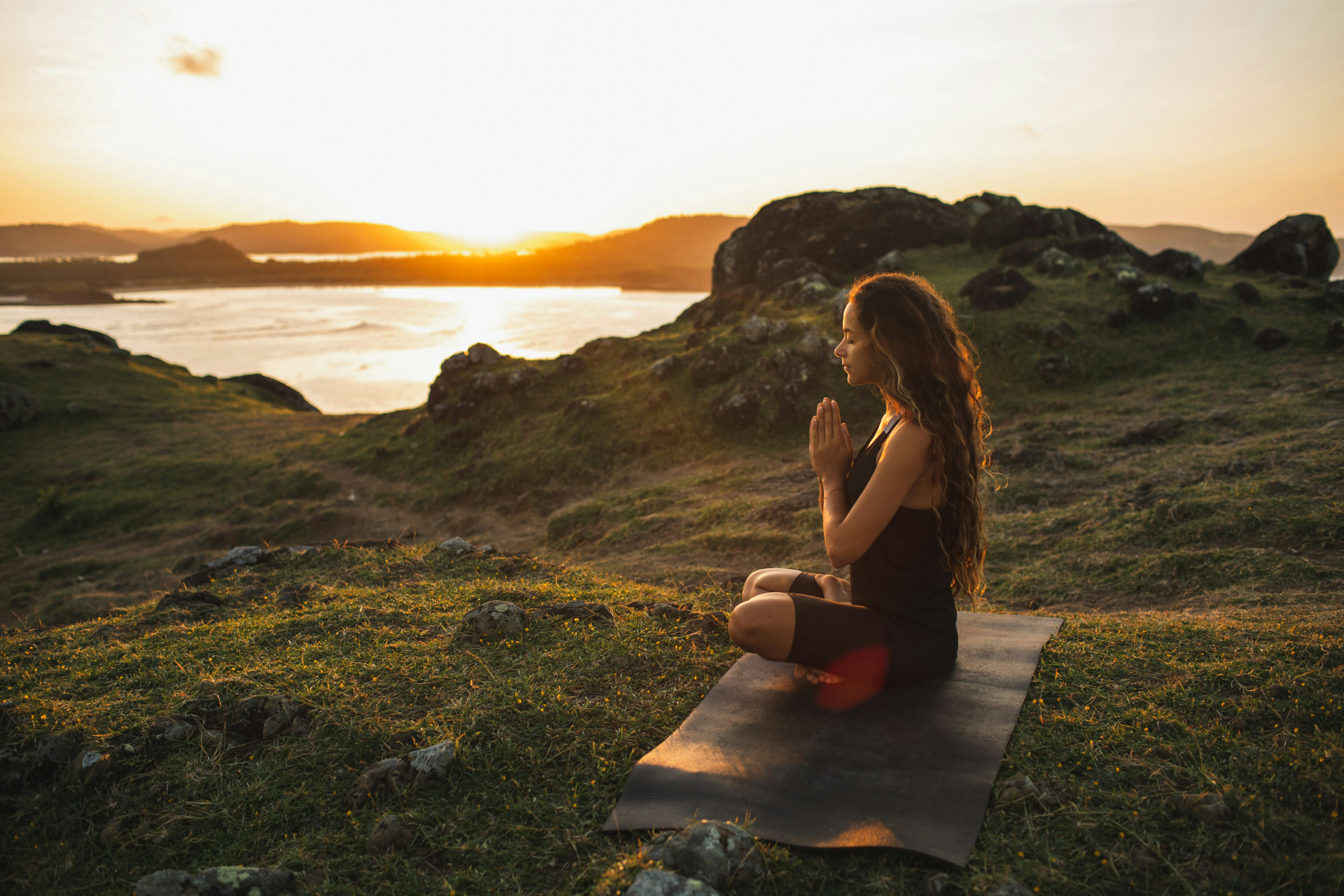
After a good workout, your heart is pumping, your muscles are warm, and your energy is high. But just as important as the workout itself is the time you spend winding down afterward. Recovery isn’t only about repairing muscles—it’s also about giving your mind a chance to rest. Here are some simple techniques to help you find calm after exercise and support both body and mind.
Why Mental Recovery Matters
Exercise puts your body under physical stress, but it also activates your nervous system. Adrenaline rises, and your brain stays alert. If you rush straight from the gym to your next task, your body doesn’t get the signal that it’s time to relax. Over time, that can lead to restlessness, poor sleep, and reduced motivation.
Mental recovery helps you shift from “go mode” to “rest mode.” This is when your body repairs itself and your mind finds balance. Taking just a few minutes to unwind after exercise can make a big difference in your overall well-being.
Breathe Deeply and Let Calm Set In
One of the simplest and most effective ways to relax is through mindful breathing. After your workout, sit or lie down and focus on slow, steady breaths.
Try this easy exercise:
- Close your eyes and inhale through your nose for four seconds.
- Hold your breath briefly.
- Exhale slowly through your mouth for six seconds.
- Repeat for two to five minutes.
This kind of breathing activates your parasympathetic nervous system—the body’s natural “brake pedal”—helping you relax both physically and mentally.
Stretch with Awareness
Stretching after exercise isn’t just about preventing stiffness. It can also serve as a form of active meditation. As you stretch, shift your focus from performance to sensation: feel your muscles release and your thoughts slow down.
You can pair your stretches with calm music or simply enjoy the quiet. The key is to be present in the movement rather than rushing through it.
Take a Few Minutes for Mental Reset
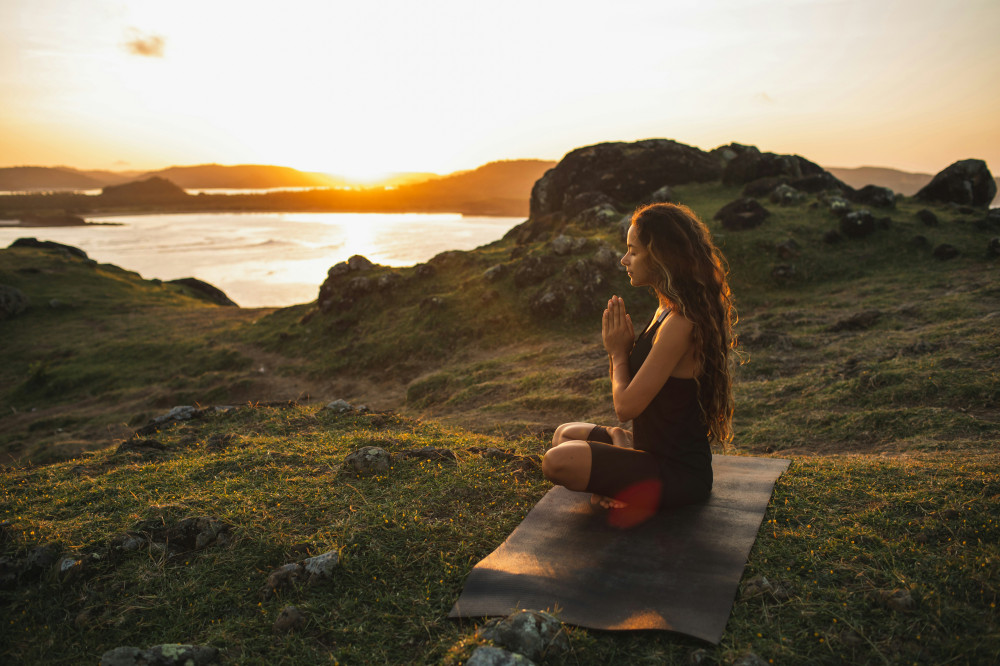
After your workout, give yourself a short mental break. Sit quietly and let your thoughts drift without judgment or planning. Some people use meditation or guided relaxation, while others simply enjoy a few moments of stillness.
If you find it hard to settle your mind, focus on a single word or phrase that reminds you of calm—something like “peace” or “relax.” Repeat it silently as you breathe deeply.
Soothe Your Body with Warmth
A warm shower, a few minutes in the sauna, or a heating pad can help your body unwind. Heat increases blood flow and encourages your muscles to release tension. It also signals to your brain that it’s time to rest.
If you prefer a refreshing finish, a brief cool shower can also feel invigorating and help you reset. The best choice is the one that leaves you feeling balanced.
Læs også:



Create a Calming Post-Workout Routine
A consistent routine after exercise can make it easier to relax. For example:
- Drink a glass of water and sit quietly for five minutes.
- Write a few notes in a workout journal about how your body feels.
- Listen to soothing music while you stretch.
Repeating the same routine teaches your body to associate it with relaxation. It becomes a signal that your workout is complete and recovery has begun.
Sleep: The Ultimate Recovery Tool
Short breaks and relaxation techniques help, but sleep remains the most powerful recovery tool. During sleep, your body releases growth hormones, repairs muscle tissue, and restores energy. A good night’s rest is the best investment in both physical and mental health.
If you exercise in the evening, try to avoid screens and bright lights before bed. This helps your body transition naturally into rest mode.
Find Your Own Path to Calm
There’s no single right way to relax after exercise. Some people find peace in meditation, others in a quiet walk or a warm bath. What matters most is giving yourself time—even just five minutes—to slow down and let your body and mind settle.
When you make mental recovery a priority, you don’t just get more out of your workouts—you build a stronger sense of balance in everyday life. True strength grows in the moments of rest between the efforts.
Læs også: