Compression Wear and Gentle Movement: A Low-Impact Path to Effective Recovery

Compression Wear and Gentle Movement: A Low-Impact Path to Effective Recovery
After a tough workout, it can be tempting to crash on the couch and let your body do the rest. But recovery isn’t just about rest—it’s about giving your body the right conditions to rebuild and come back stronger. That’s where compression wear and gentle movement come in. Together, they can help muscles recover faster, reduce soreness, and improve your overall training experience.
What Happens in the Body After Exercise?
When you work out, your muscles experience tiny microtears. This is a normal part of building strength, but it takes time and energy to repair. At the same time, waste products like lactic acid accumulate, and blood flow can temporarily slow down in the areas that worked hardest.
Recovery is about restoring balance—getting blood circulating again, delivering nutrients to muscles, and clearing out waste. Both movement and compression can play a key role in that process.
Compression Wear – More Than Just Tight Clothing
Compression wear is designed to apply gentle, even pressure to your muscles. It can come in the form of socks, leggings, sleeves, or full-body garments, and its main purpose is to support blood flow. When circulation improves, swelling and muscle fatigue can be reduced.
Research suggests that compression garments may help decrease muscle soreness after exercise and shorten recovery time. The effects vary from person to person, but many athletes report feeling lighter and less stiff the next day.
Choosing the right fit is essential—the garment should feel snug but not restrictive. High-quality materials also matter, as breathability and moisture control are key for comfort, especially during longer wear.
Gentle Movement – Active Rest That Works
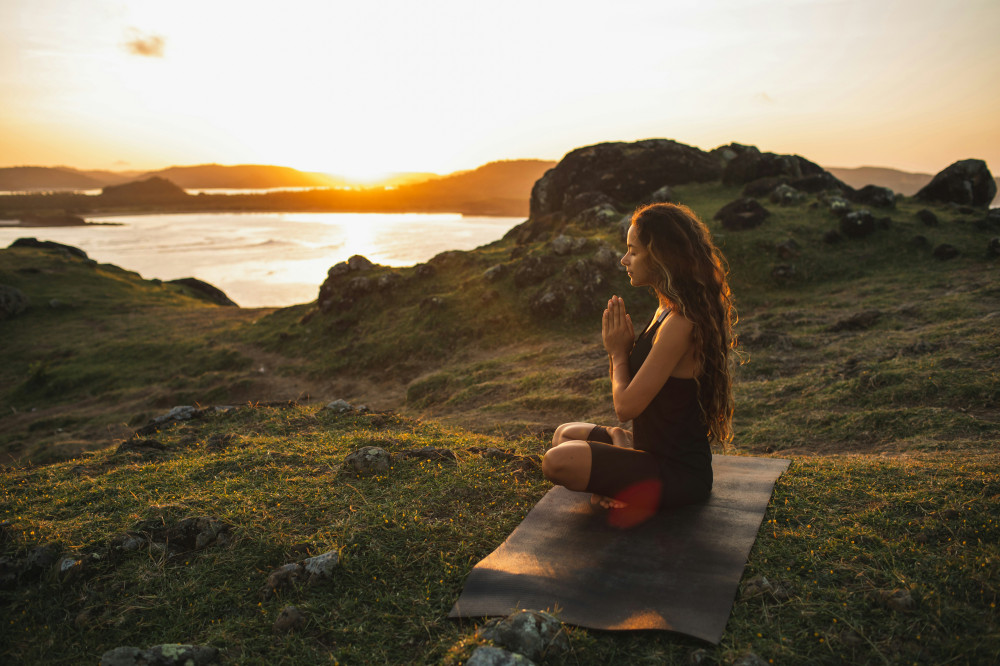
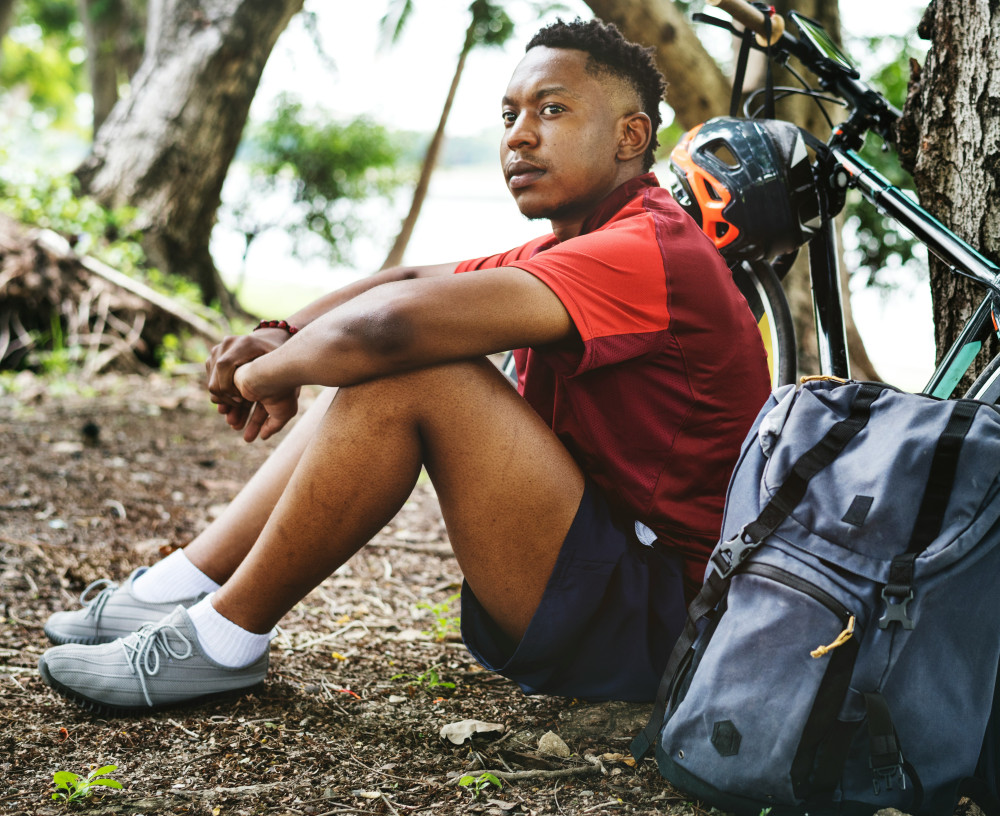
Active recovery means moving lightly instead of taking complete rest. This could be a walk, an easy bike ride, swimming, or gentle yoga. These low-intensity activities stimulate blood flow and help the body flush out waste products more efficiently.
Gentle movement also benefits the mind. It offers a chance to unwind, reconnect with your body, and find calm after intense training. Many people find that it reduces stress and improves sleep—two factors that are crucial for effective recovery.
A good rule of thumb is 20–40 minutes of light activity the day after a hard workout. It should feel comfortable, not like another training session.
The Power of Combining Both
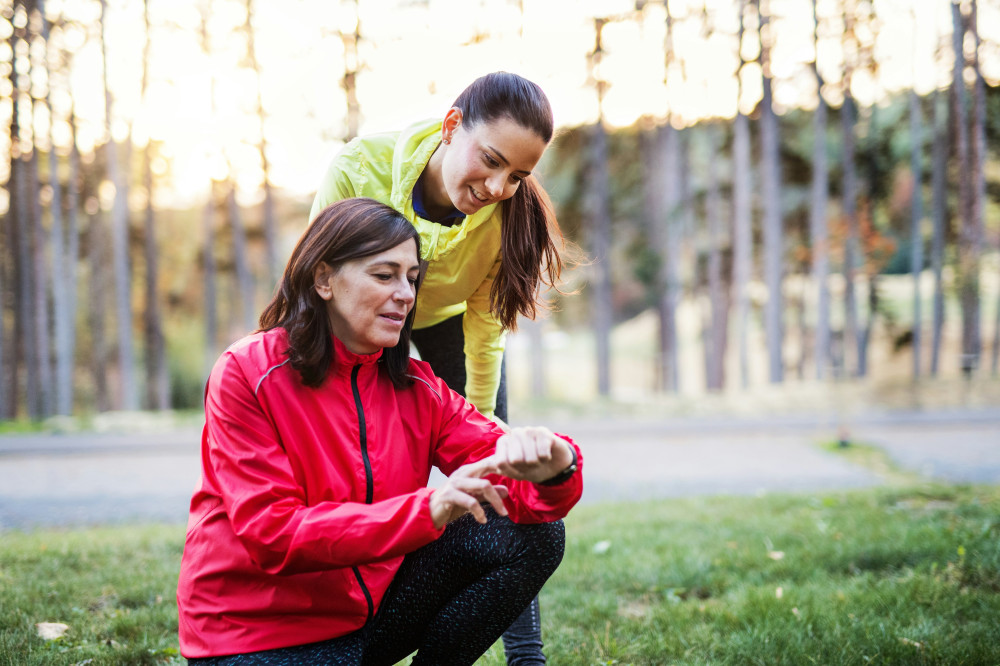
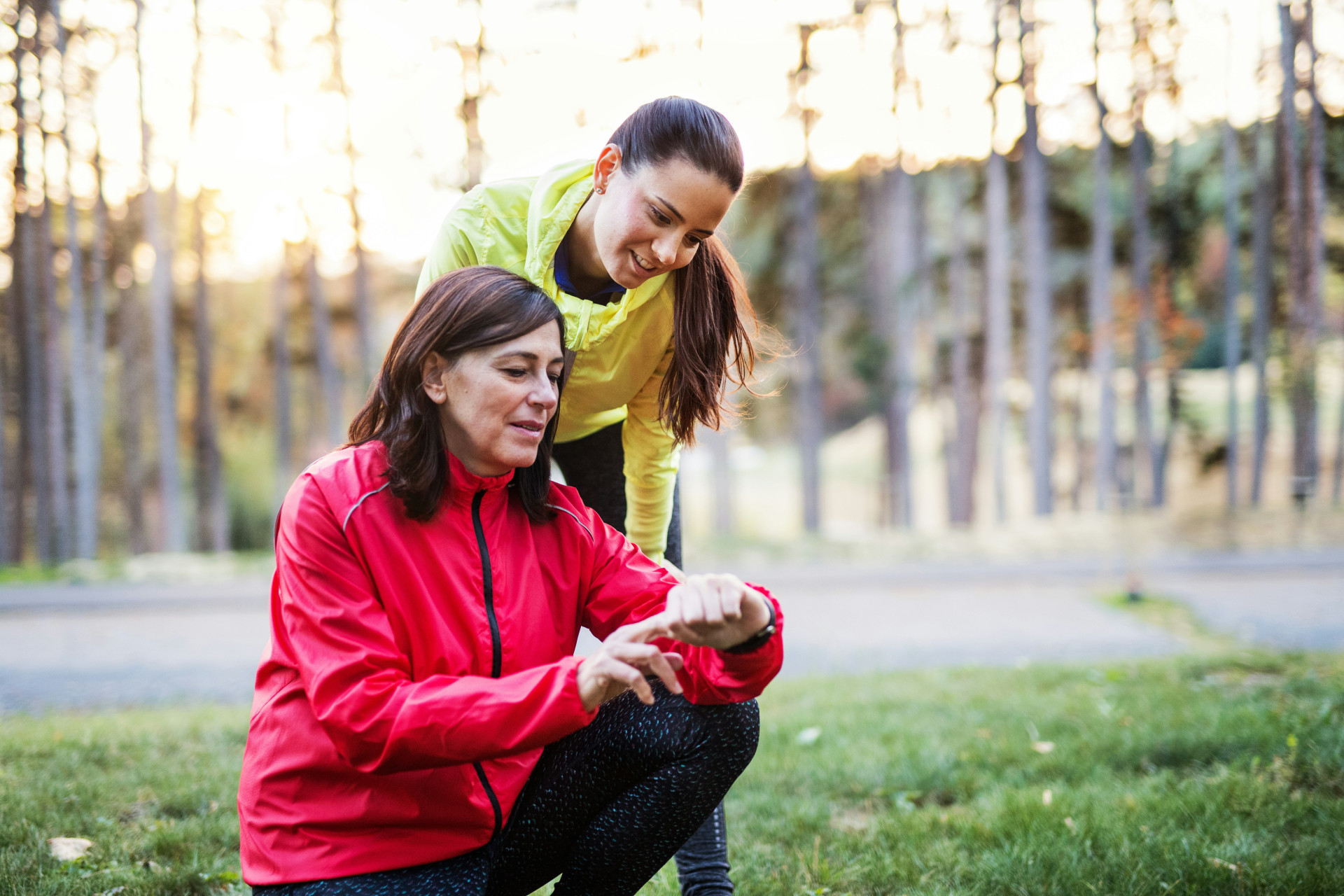
When compression wear and gentle movement are used together, they can enhance each other’s effects. Compression supports circulation, while movement keeps the cardiovascular system active. The result is more efficient delivery of oxygen and nutrients to muscles—and faster removal of waste products.
Many athletes wear compression socks during light recovery workouts or on travel days when they’re sitting for long periods. Some even find it helpful to sleep in light compression gear after particularly intense sessions, as long as it feels comfortable.
When and How to Use Them
- After intense workouts: Put on compression wear right after training and keep it on for a few hours. Combine it with a short walk or light stretching.
- On recovery days: Use compression gear during gentle activities like yoga, cycling, or swimming.
- During travel: Compression socks can help prevent swelling and discomfort during long flights or car rides.
- At night: Some people prefer sleeping in light compression garments, but comfort should always come first.
The key is to listen to your body. Compression and movement should feel supportive—not restrictive.
Læs også:


A Gentle Path to Better Performance
Effective recovery isn’t about pushing harder—it’s about giving your body what it needs to heal and adapt. Compression wear and gentle movement are simple yet powerful tools that can help you recover faster, train more consistently, and reduce the risk of overuse injuries.
By making them a natural part of your fitness routine, you can support both your physical performance and overall well-being—one low-impact step at a time.
Læs også: