Train as You Age: How to Maintain Muscle Strength and Performance Throughout Life


Train as You Age: How to Maintain Muscle Strength and Performance Throughout Life
Getting older doesn’t mean giving up strength, energy, or mobility. In fact, research shows that regular exercise can preserve—and even improve—muscle strength and performance well into later life. The key is not to train like you did at 25, but to adapt your workouts to your body’s changing needs and potential. Here’s how you can stay strong, active, and confident at any age.
Muscle Strength – Your Body’s Most Valuable Reserve
Starting around age 30, muscle mass naturally begins to decline if it’s not maintained. This process, known as sarcopenia, can lead to reduced balance, slower metabolism, and a higher risk of injury. The good news: strength training at any age can slow—and even reverse—this decline.
Even people in their 70s and 80s can build new muscle tissue with consistent training. You don’t need heavy gym equipment to see results—bodyweight exercises, resistance bands, or light dumbbells can be highly effective when performed correctly and progressively.
Strength Training – The Foundation of an Active Life
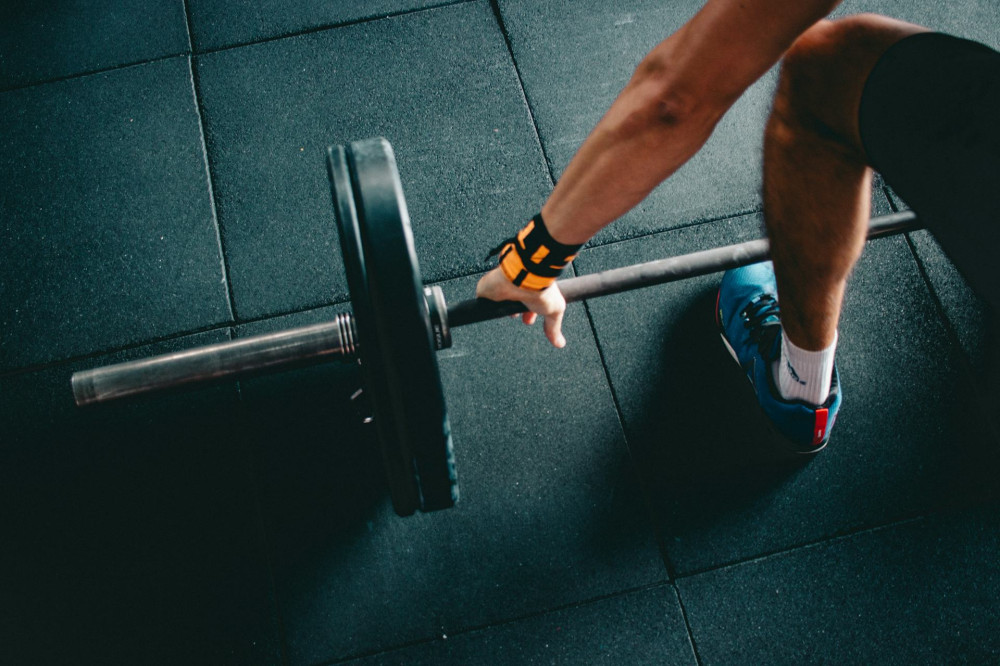
Strength training is the most effective way to maintain muscle mass and bone density. It also improves balance, coordination, and the ability to handle everyday tasks with ease.
A good starting point is two to three sessions per week, focusing on major muscle groups: legs, back, chest, and shoulders. Exercises like squats, lunges, push-ups, and rows can be modified for any fitness level.
- Start slow – focus on proper form and light resistance.
- Progress gradually – challenge your muscles over time to keep improving.
- Allow recovery – muscles grow stronger during rest, not just during workouts.
If you’re new to strength training, consider working with a certified personal trainer or physical therapist who has experience with older adults.
Cardio Training – Keep Your Heart in Shape
In addition to strength, cardiovascular fitness is essential for heart health, energy, and mental well-being. Activities like walking, cycling, swimming, or dancing strengthen the heart and improve endurance.
For most adults, 150 minutes of moderate activity per week is a great goal—about 30 minutes a day, five days a week. If you prefer more vigorous exercise, 75 minutes per week can deliver similar benefits.
Variety is key: combine strength and cardio workouts to keep things interesting and effective. Mixing up your routine helps prevent boredom and supports overall fitness.
Nutrition – Fuel for Your Muscles
Exercise and nutrition go hand in hand. To maintain muscle mass, your body needs enough protein, the building block of muscle tissue. Older adults actually require slightly more protein than younger people because the body becomes less efficient at using it.
Good sources include lean meats, fish, eggs, dairy products, beans, and nuts. Spread your protein intake evenly throughout the day to support continuous muscle repair and growth.
Vitamin D and calcium are vital for bone health, while carbohydrates provide energy for workouts. Stay hydrated—especially if you exercise indoors or in warm weather.
Læs også:




Recovery and Sleep – The Overlooked Essentials
Many people underestimate the importance of recovery. After exercise, your body needs time to repair and strengthen muscles. Sleep plays a crucial role in this process—it’s when growth hormones are released and tissues rebuild.
Aim for 7–8 hours of sleep each night, and schedule rest days between intense workouts. Active recovery, such as light walking, stretching, or yoga, can help your body recover faster and reduce stiffness.
Motivation and Consistency
Staying consistent can be challenging, especially when progress feels slow. Set specific, realistic goals—maybe you want to climb stairs without stopping, ride your bike farther, or lift your grandchild with ease.
Working out with others can boost motivation and enjoyment. Many community centers, gyms, and senior programs across the U.S. offer group fitness classes designed for older adults, focusing on safety, technique, and social connection.
Make Movement a Lifestyle, Not a Chore
The most important thing is to find activities you enjoy. Whether it’s strength training, swimming, gardening, or dancing, movement should feel rewarding—not like an obligation. When exercise becomes a natural part of your routine, it’s easier to stick with it—and the benefits are immense: more energy, better mood, stronger muscles, and greater independence.
Training as you age isn’t about competing with your younger self—it’s about giving your body the best possible conditions to thrive, every step of the way.
Læs også: