Safe Start on the Water: How to Find the Best Place to Practice as a Beginner

Safe Start on the Water: How to Find the Best Place to Practice as a Beginner
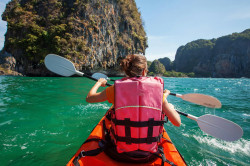
Starting out in water sports can be both exciting and a little intimidating. Whether you dream of kayaking, paddleboarding, or rowing, the first step is finding a place where you can feel safe and build confidence from the start. The right practice spot can make the difference between a frustrating first try and a lifelong love of being on the water. Here’s a guide to help you find the best place to practice as a beginner in the U.S.
Begin in Calm Conditions
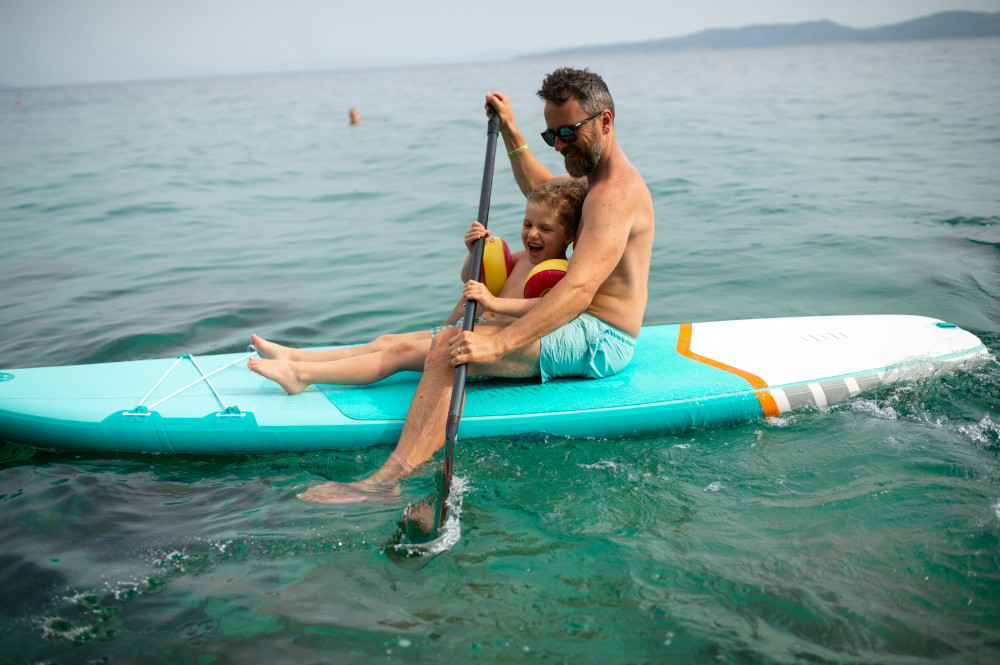
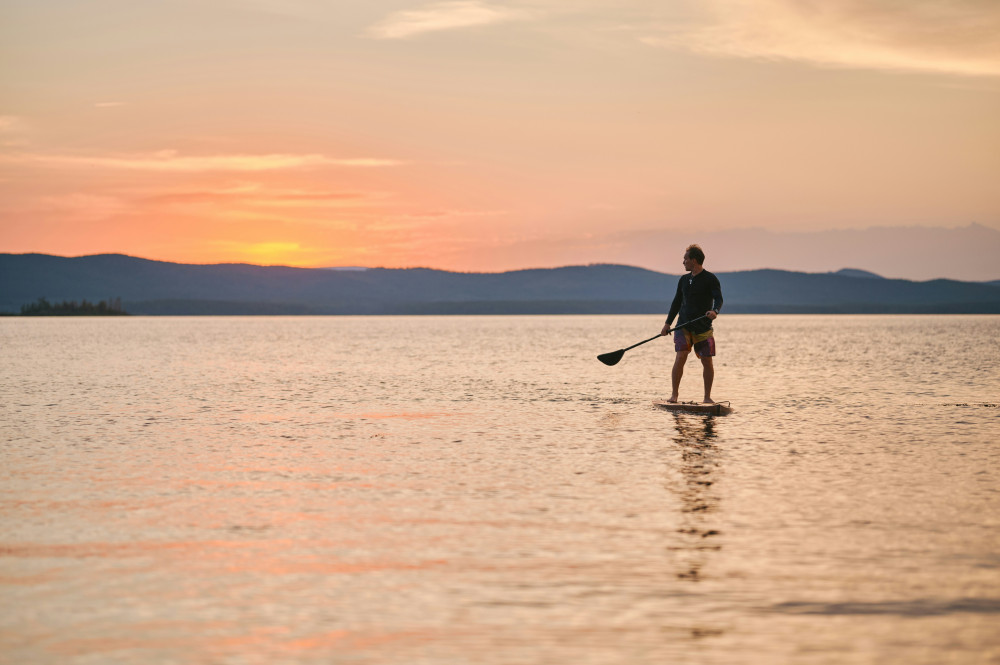
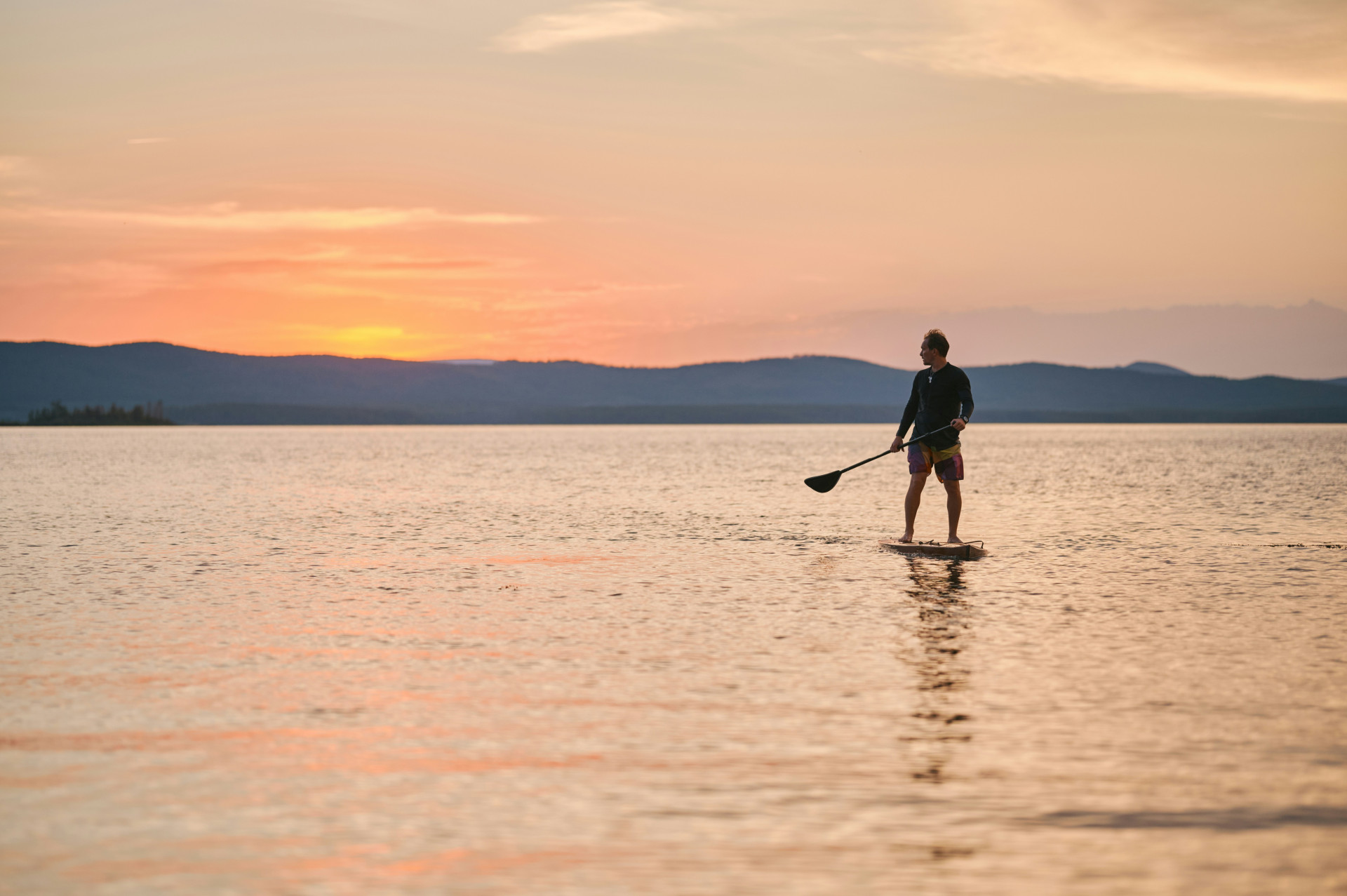
As a beginner, it’s important to start somewhere with calm, predictable water. Lakes, ponds, and sheltered bays are ideal because they’re usually protected from strong winds and waves. Avoid open ocean or large rivers at first—currents and boat traffic can make it difficult to stay balanced or steer.
A few great beginner-friendly spots include:
- Lake Tahoe (California/Nevada) – Clear, calm mornings and plenty of access points make it perfect for early practice sessions.
- Lady Bird Lake (Austin, Texas) – A no-motor zone in the heart of the city, great for paddleboarding and kayaking.
- Lake George (New York) – Offers quiet coves and rental options for beginners.
- Lake Washington (Seattle, Washington) – Sheltered areas and nearby clubs make it a safe and social place to start.
Wherever you go, choose a location where you can easily reach the shore if you lose balance or get tired.
Check Access and Local Rules
Not every body of water is open for recreational use. Some lakes and rivers require permits, while others have restrictions on where you can launch or paddle. Always check local regulations before heading out. City or county park websites, as well as state Department of Natural Resources pages, are good places to find this information.
If you’re practicing near the coast, be mindful of swimming zones and boating lanes. Early mornings or weekdays are often the best times to go—there’s less traffic and calmer water.
Læs også:

Look for Helpful Facilities
When you’re new, it’s a big advantage to practice somewhere with good facilities. Look for places with parking, restrooms, and possibly a rental shop or club nearby. Many local paddling or rowing clubs offer beginner lessons and safety courses, which can help you learn the basics and meet other newcomers.
Being around other people on the water can also make you feel more secure—there’s comfort in knowing help is nearby if you need it.
Choose the Right Time and Weather
Even the best location can feel challenging if the weather isn’t cooperating. Wind and waves can make it hard to balance, especially on a paddleboard or in a lightweight kayak. Check the forecast before you go, and aim for days with light wind (under 10 mph) and calm conditions.
Early mornings are often the most peaceful time to practice. The water is usually smoother, and you’ll have more space to focus on your technique without distractions.
Safety First—Always
No matter where you practice, safety should always come first. Wear a properly fitted life jacket, and let someone know where you’re going and when you plan to return. If you’re heading out alone, stay close to shore and carry a waterproof phone case.
Learn how to get back on your board or into your kayak if you fall in. Knowing what to do in that situation builds confidence and makes your time on the water much more enjoyable.
Make Practice Part of the Experience
Learning to move on the water isn’t just about technique—it’s also about enjoying nature and finding your rhythm. Take breaks, appreciate the scenery, and notice how each session feels a little easier than the last.
Once you feel comfortable, you can start exploring new places—maybe a gentle river route or a quiet coastal inlet. But remember: the best place to practice is the one where you feel safe, supported, and excited to come back again.
Læs også: