Help Your Skin Heal: Care After Minor Sports Injuries and Scrapes

Help Your Skin Heal: Care After Minor Sports Injuries and Scrapes
When you’re active, small scrapes and cuts are almost inevitable. A tumble on the basketball court, a brush against rough pavement during a run, or a blister from new cleats — these are all minor injuries your body can usually handle well. Still, the right care can make a big difference in how quickly and smoothly your skin recovers. Here’s how to help your skin heal after minor sports injuries and scrapes.
Clean the Wound — Gently
The first step in healing is cleaning the area. Remove dirt, sweat, or debris so bacteria don’t have a chance to cause infection. Use lukewarm water and mild soap, or a saline solution if you have one. Avoid hydrogen peroxide or alcohol-based disinfectants — they can irritate the skin and slow healing.
Pat the area dry with a clean towel or sterile gauze. Don’t rub, as that can damage the skin further.
Protect the Skin with the Right Bandage
Once the wound is clean, it’s time to protect it. A bandage or wound dressing keeps out dirt and creates a moist environment that actually helps skin heal faster. Many people think wounds need “air,” but research shows that moist conditions reduce scabbing and scarring.
Choose a bandage that fits the size and location of the wound. Flexible adhesive bandages work well for hands and knees, while hydrocolloid bandages are great for blisters and scrapes because they cushion the area and promote healing.
Watch for Signs of Infection
Minor wounds rarely become serious, but it’s important to keep an eye out for infection. If the area becomes red, swollen, warm, or starts to ooze, bacteria may have entered the wound. Clean it again and consider applying an over-the-counter antibiotic ointment. If it doesn’t improve after a couple of days, or if you notice spreading redness or fever, contact a healthcare provider.
Try not to pick at scabs or remove the bandage too often — that interrupts healing and increases the risk of scarring.
Nourish Your Skin from the Inside
Your skin’s ability to heal depends not only on what you do externally but also on what you eat. A balanced diet rich in protein, vitamins, and minerals supports tissue repair. Vitamin C, zinc, and omega-3 fatty acids are especially important for collagen formation and reducing inflammation.
Stay hydrated, and include plenty of fruits, vegetables, whole grains, and healthy fats in your meals. If you train frequently, foods like fish, nuts, and berries can help your body recover more efficiently.
Avoid Returning to Activity Too Soon
It’s tempting to jump back into your sport right away, but your skin needs time to recover. If you resume activity before the wound has closed, you risk reopening it. Give your body time — patience pays off in the long run.
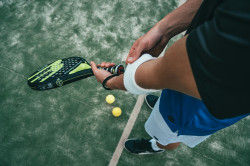
If you must stay active, protect the area with sports tape or an elastic wrap. This helps prevent the wound from reopening and shields it from dirt and sweat.
Læs også:
Support the Final Stage of Healing
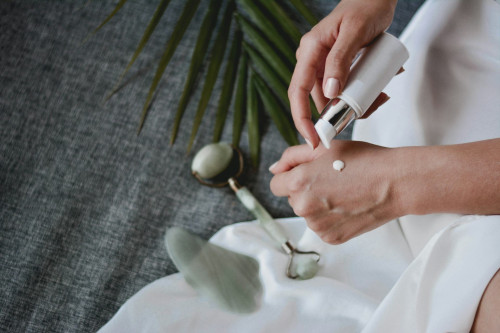
Once the wound has closed, focus on helping the skin finish healing smoothly. Apply a gentle moisturizer or a healing ointment with ingredients like panthenol or aloe vera to keep the skin supple and reduce itching.
For visible wounds on the face or hands, consider a silicone gel or patch to help minimize scarring. Protect new skin from the sun — UV rays can darken scars and make them more noticeable. Use sunscreen or cover the area when outdoors.
Healing Is Part of Learning
Minor sports injuries are part of an active lifestyle, but they can also remind you to listen to your body. Maybe you were tired, distracted, or pushing yourself too hard. Use the experience as a chance to adjust your training and prevent future mishaps.
With proper care and a little patience, your skin will usually heal quickly and cleanly — and you’ll be back on the field, trail, or court before you know it.
Læs også: