Get More Out of Your Workout: Combine Compression Wear with Targeted Training Routines

Get More Out of Your Workout: Combine Compression Wear with Targeted Training Routines
Compression wear has moved far beyond the realm of professional athletes. Today, you’ll see runners, cyclists, and gym-goers across the U.S. wearing compression tights, sleeves, and socks. While many people use them for comfort or style, few take full advantage of what compression gear can actually do. When paired with a well-structured training routine, compression wear can help you perform better, recover faster, and reduce your risk of injury. Here’s how to make the most of it.
What Does Compression Wear Do?
Compression garments are designed to apply gentle, consistent pressure to your muscles. This pressure improves blood circulation, helping deliver oxygen and nutrients more efficiently while reducing the buildup of lactic acid — a common cause of post-workout soreness.
For many athletes, this means being able to train longer and bounce back faster. But the benefits depend on how and when you use the gear.
Læs også:



Use Compression Wear Strategically
You don’t need to wear compression gear all day to see results. In fact, you’ll get the most benefit when you use it purposefully, depending on your workout type.
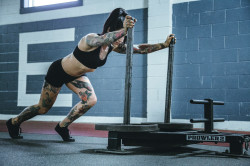
- During cardio workouts – Compression socks and tights can enhance blood flow in your legs and reduce fatigue during long runs, bike rides, or HIIT sessions.
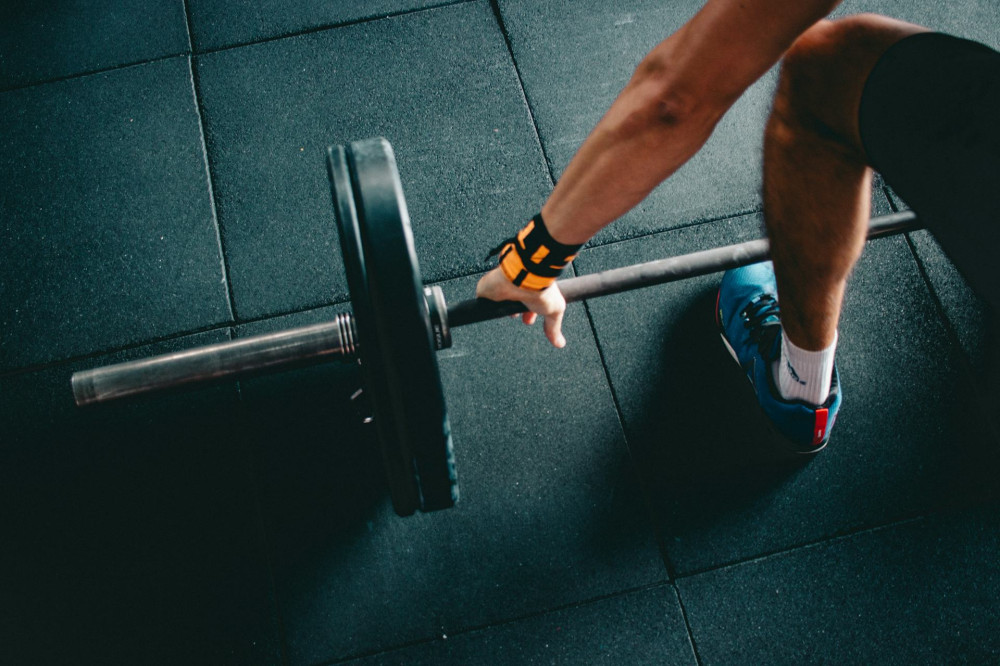
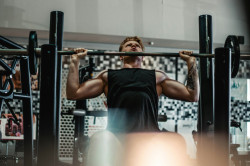
- For strength training – A snug compression top can improve body awareness and provide support around your shoulders and core, helping you maintain proper form.
- After your workout – Many athletes find that wearing compression gear for a few hours post-exercise helps speed up recovery by reducing swelling and flushing out metabolic waste.
Fit is key. Too loose, and you lose the benefits; too tight, and you risk restricting circulation. Look for a firm but comfortable fit that moves with your body.
Combine with a Targeted Training Plan
Compression wear isn’t a substitute for a solid training plan — but it can amplify your results. To get the most out of your workouts, combine your gear with a plan that balances strength, endurance, and recovery.
- Plan for variety – Alternate between high-intensity and low-intensity sessions. Compression wear can help you recover faster between tough workouts.
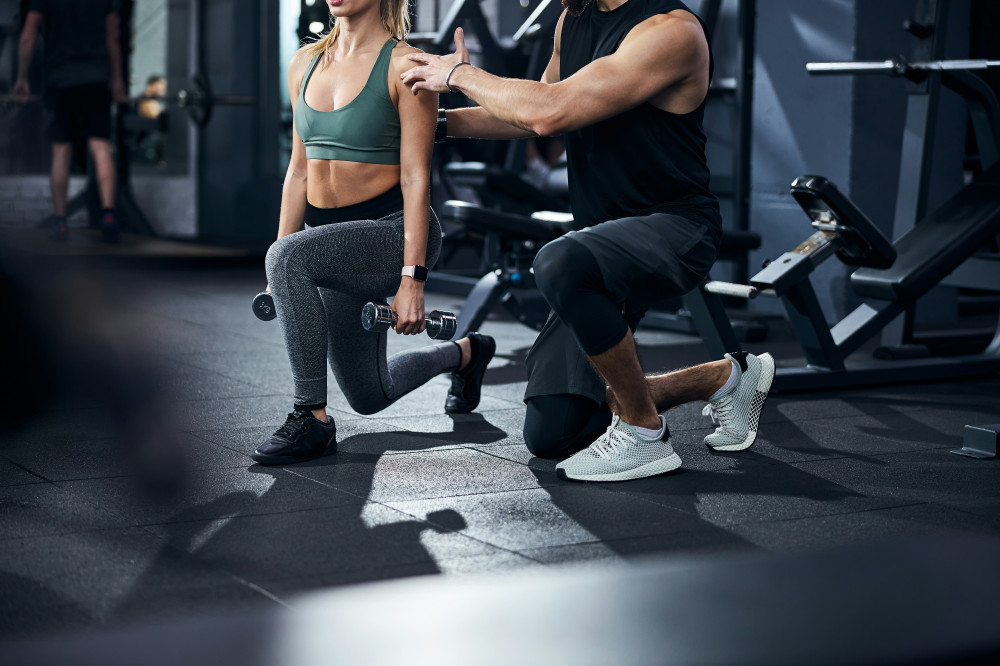
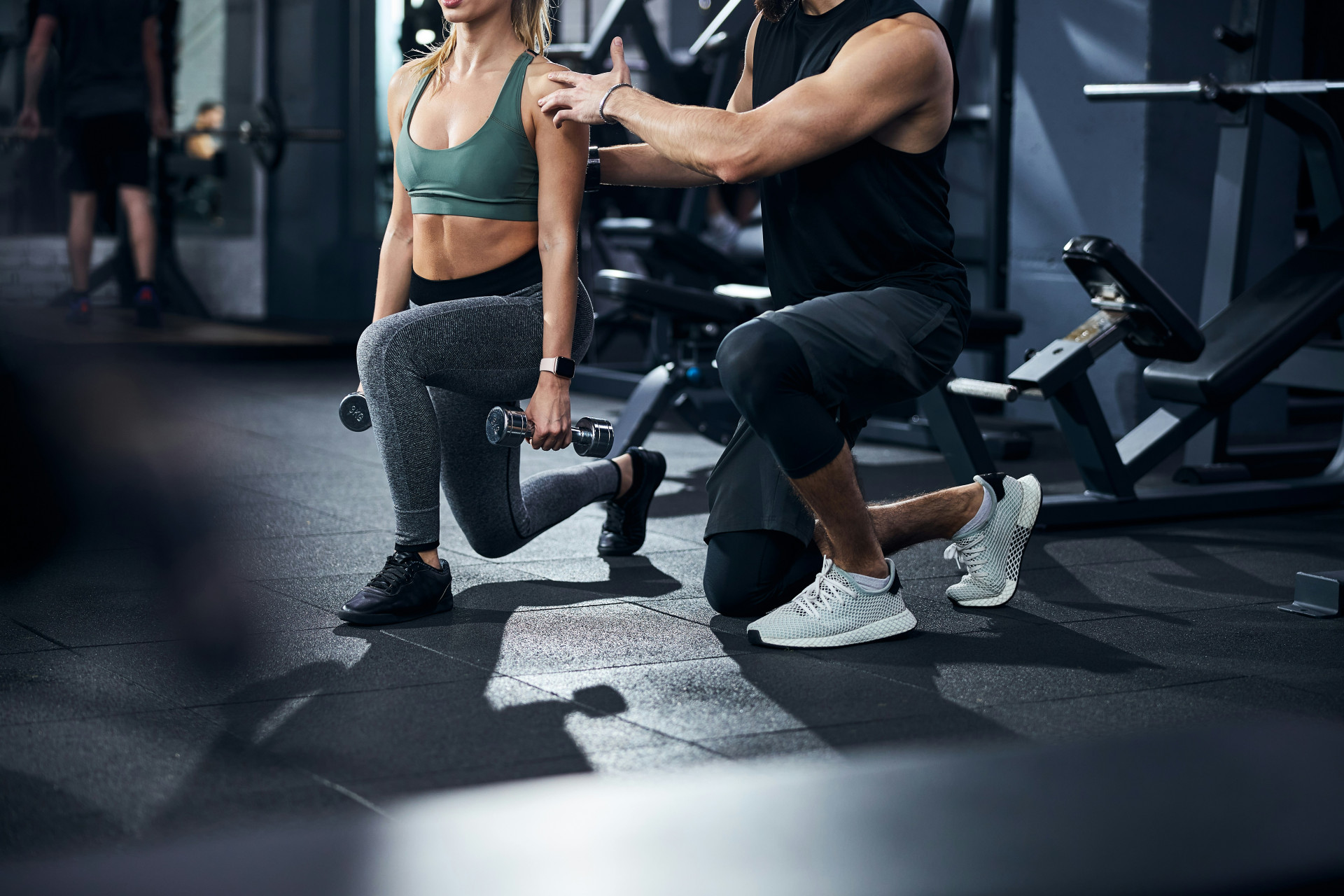
- Focus on technique – Use the snug fit of compression gear to become more aware of your posture and movement patterns. This can help you refine your form and prevent injuries.
- Include active recovery days – Light jogging, yoga, or mobility work while wearing compression gear can promote circulation and reduce stiffness.
When you train with intention, compression wear becomes a supportive tool — not a shortcut.
Recovery: The Hidden Key to Progress
Many people focus on the workout itself and forget that progress happens during recovery. This is where compression wear can make a real difference. By improving blood flow, it helps your body repair microtears in muscle tissue and reduce inflammation.
A good strategy is to wear compression socks or tights after particularly intense sessions or races. Combine that with light movement, hydration, and quality sleep, and you’ll maximize your recovery and performance gains.
How to Choose the Right Compression Gear
The U.S. market for compression wear is huge, and quality varies widely. Here’s what to look for when choosing your gear:
- Compression level – Light compression is usually enough for recreational athletes, while higher pressure levels may benefit competitive or endurance athletes.
- Material – Choose breathable, moisture-wicking fabrics that keep your skin dry and comfortable.
- Fit – The garment should feel snug but not restrictive. Try it on before buying if possible.
- Purpose – Different designs are optimized for running, strength training, or recovery. Pick the one that matches your main activity.
With proper care — gentle washing and air drying — good compression gear can last for years without losing its elasticity.
A Holistic Approach to Fitness
Compression wear isn’t a magic fix, but it’s a powerful tool when used correctly. It can help you perform better, recover faster, and feel more comfortable during and after your workouts. Combined with a thoughtful training plan, balanced nutrition, and adequate rest, it can elevate your fitness to the next level.
Ultimately, it’s about understanding your body and using the tools that support it best — and compression wear can be an important part of that equation.
Læs også: